
Baby Diaper Machine: The Future of Factory Automation & Efficiency
2026-03-02
In an era where automation revolutionizes every industry, baby diaper manufacturing stands at the forefront of innovation. ‘Baby Diaper Machine: The Future of Factory Automation & Efficiency’ explores how cutting-edge technology is transforming production lines, enhancing precision, and reducing waste. At Womeng, we're pioneering these advancements, crafting machines that not only meet today’s demands but anticipate tomorrow’s needs. Join us as we delve into the seamless integration of smart systems and sustainable practices, redefining efficiency in ways that spark curiosity and drive progress. Stay tuned for insights that could reshape your perspective on modern manufacturing.
The Role of Baby Diaper Machines in Modern Manufacturing
In contemporary manufacturing landscapes, baby diaper machines play a pivotal role by driving efficiency and innovation in the production of essential hygiene products. These sophisticated systems integrate advanced technologies, such as robotics and automated quality control, to streamline processes from material cutting to sealing, ensuring consistent output while minimizing human error. Beyond mere assembly, they support sustainable practices by optimizing resource use and reducing waste, aligning with global trends toward eco-conscious manufacturing. This adaptability positions diaper machines as key enablers in meeting rising demand, from mass-market brands to niche offerings, highlighting their integral function in modern industrial agility.
The evolution of baby diaper machines reflects broader shifts in manufacturing priorities, where customization and speed are paramount. Modern machines offer modular designs that allow for quick adjustments in diaper size, absorbency, or style, catering to diverse consumer preferences without halting production lines. This flexibility not only enhances operational responsiveness but also reduces downtime, boosting overall productivity. By enabling rapid prototyping and scalability, these machines empower manufacturers to experiment with new materials and designs, fostering a competitive edge in a dynamic market. Their role extends beyond basic production, acting as catalysts for continuous improvement and strategic growth in the hygiene sector.
Furthermore, baby diaper machines contribute significantly to quality assurance and safety standards, which are critical in manufacturing goods for vulnerable populations like infants. Equipped with sensors and real-time monitoring systems, they detect defects or inconsistencies early in the process, ensuring that every diaper meets stringent regulatory and consumer expectations. This focus on precision helps build trust in brands and reduces recalls, while also supporting labor efficiency by automating repetitive tasks. In essence, these machines are not just tools but foundational components that shape the reliability and reputation of modern manufacturing operations, underscoring their indispensable role in delivering safe, high-quality products to families worldwide.
Key Innovations Driving Efficiency in Diaper Production
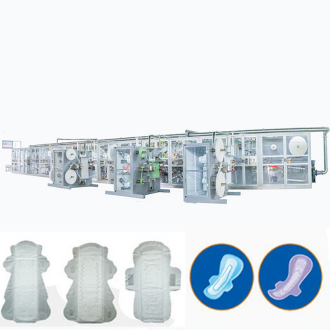
In recent years, diaper manufacturing has seen significant advancements that streamline production while enhancing product quality. Innovations like automated material handling systems have minimized manual intervention, leading to faster assembly lines with fewer errors. These systems integrate sensors and robotics to precisely cut and place absorbent layers, reducing waste and ensuring consistent thickness across diapers. For instance, smart conveyors adjust speeds in real-time based on demand fluctuations, optimizing throughput without compromising safety or hygiene standards.
Another key innovation lies in the development of high-performance materials that boost efficiency without sacrificing comfort. New superabsorbent polymers (SAP) are engineered to lock in moisture more effectively, allowing for thinner diaper designs that use fewer raw materials per unit. This not only cuts production costs but also makes diapers lighter and easier to dispose of, aligning with sustainability goals. Manufacturers have adopted advanced blending techniques to mix SAP with other components more uniformly, resulting in diapers that perform reliably under varying conditions.
Furthermore, the integration of real-time data analytics and IoT (Internet of Things) technologies has revolutionized quality control in diaper factories. Sensors embedded in machinery monitor parameters like temperature and pressure, feeding data into centralized platforms that predict maintenance needs before breakdowns occur. This predictive approach minimizes downtime and enhances overall equipment effectiveness (OEE), allowing facilities to maintain high output rates with minimal interruptions. By leveraging these insights, companies can fine-tune processes on the fly, adapting to market trends and consumer preferences with agility.
Automation Trends Transforming the Diaper Industry
The diaper industry is embracing automation with a personal touch, moving beyond mere efficiency to create products that are smarter and more responsive to real-world needs. Gone are the days when automation was just about churning out diapers faster; today, it integrates advanced sensors and AI to monitor baby comfort in real-time, adjusting moisture levels and breathability on the fly. This shift is driven by a desire to reduce waste and enhance sustainability, as companies leverage automated systems to optimize material usage and minimize environmental impact, making every diaper not just disposable but thoughtfully designed.
Another key trend is the rise of customizable production lines, where automation allows for rapid prototyping and small-batch runs tailored to niche markets or specific health concerns. This flexibility means parents can find diapers that cater to allergies, skin sensitivities, or eco-preferences without compromising on quality. The technology behind this includes collaborative robots and IoT-connected machinery, which work seamlessly with human operators to adapt to changing demands, fostering innovation in a traditionally static sector and setting new standards for hygiene and convenience.
Looking ahead, the integration of big data and machine learning is poised to transform diaper manufacturing from a reactive process to a predictive one. By analyzing usage patterns and consumer feedback through automated platforms, companies can anticipate needs before they arise, leading to proactive product improvements and personalized offerings. This forward-thinking approach not only boosts brand loyalty but also pushes the industry toward a cleaner, more efficient future, where automation isn't just a trend but a core driver of lasting change in how we care for the next generation.
Sustainability and Cost Savings with Advanced Machinery
In today's competitive industries, integrating advanced machinery isn't just about boosting output; it's a strategic move towards sustainability and significant cost reductions. These state-of-the-art systems are designed to optimize resource use, slashing energy consumption and minimizing waste through precision engineering. By adopting such technologies, companies can not only cut their operational expenses but also enhance their environmental stewardship, appealing to eco-conscious consumers and investors alike.
Beyond mere efficiency gains, advanced machinery offers long-term financial benefits by reducing maintenance needs and downtime. For example, smart sensors and AI-driven analytics enable predictive maintenance, catching issues before they escalate into costly repairs. This proactive approach not only saves money on emergency fixes but also extends equipment lifespan, contributing to a lower total cost of ownership over time without compromising performance or reliability.
Moreover, embracing advanced machinery positions businesses at the forefront of innovation, allowing them to meet evolving regulatory standards for sustainability with ease. It fosters a culture of continuous improvement, where resource optimization becomes ingrained in daily operations. This dual focus on cost savings and environmental responsibility not only strengthens the bottom line but also builds a resilient brand that's prepared for future challenges in a rapidly changing market.
Customization Capabilities in Next-Generation Diaper Lines
Modern diaper production isn't just about churning out standard products anymore. Next-generation lines are engineered to adapt to diverse consumer preferences, integrating advanced sensors and real-time data analytics. This allows for on-the-fly adjustments in materials, absorbency levels, and fit, catering to specific needs like sensitive skin or overnight use without halting the assembly process. It's a shift from one-size-fits-all to personalized comfort, driven by smart manufacturing techniques that respond dynamically to changing demands.
Moreover, these systems enable rapid prototyping and small-batch production, making it feasible to introduce niche designs or seasonal variations with minimal lead time. By leveraging modular components and flexible machinery, manufacturers can tweak everything from the core padding to the outer cover textures, ensuring each diaper meets exacting standards while reducing waste. This agility not only enhances brand loyalty but also opens up opportunities in markets with unique cultural or environmental requirements, setting new benchmarks for innovation in hygiene products.
Looking ahead, the convergence of IoT and AI in diaper lines promises even greater customization. Imagine units that learn from user feedback to refine future batches or incorporate eco-friendly materials based on regional sustainability goals. This forward-thinking approach transforms the production floor into a hub of continuous improvement, where every diaper tells a story of tailored care and technological prowess, redefining what's possible in infant and adult care solutions.
Future Prospects for Smart Factories in Baby Care
The integration of smart factories into baby care manufacturing is set to transform how products are designed, produced, and delivered, prioritizing safety and customization like never before. By leveraging advanced technologies such as AI-driven quality control and IoT-connected sensors, these factories can monitor every stage of production in real-time, ensuring that items like baby formula, diapers, and toys meet stringent health standards. This shift not only reduces human error but also allows for rapid adaptation to market trends, enabling companies to quickly introduce hypoallergenic or eco-friendly variants based on consumer feedback.
Looking ahead, the prospects extend beyond efficiency to deeply personalized experiences, where smart factories could use data analytics to create bespoke baby care solutions tailored to individual needs. Imagine a scenario where a factory produces custom-sized diapers or nutritionally adjusted formula based on a baby's specific health metrics, all while maintaining cost-effectiveness through automated processes. This level of personalization, coupled with sustainable practices like waste reduction via predictive maintenance, positions smart factories as key players in building a more responsive and responsible industry.
Moreover, as global demand for safe and high-quality baby products rises, smart factories are poised to enhance supply chain resilience, reducing lead times and ensuring consistent availability even during disruptions. By employing robotics and digital twins for simulation, manufacturers can test new designs virtually before physical production, accelerating innovation without compromising safety. Ultimately, this evolution promises to elevate consumer trust and drive industry growth, making smart factories not just a technological upgrade but a necessity for the future of baby care.
FAQ
It integrates advanced robotics and AI-driven systems to streamline production, reducing manual labor and minimizing errors, which boosts overall efficiency and scalability in manufacturing.
By utilizing high-speed automated processes and real-time quality control, it increases output rates while maintaining consistent product quality, cutting down waste and operational costs significantly.
It incorporates smart sensors for adaptive material handling and energy-efficient designs, allowing for flexible production lines that can quickly adapt to different diaper sizes and types without lengthy downtime.
Yes, its modular design and programmable logic controllers enable easy adjustments for batch changes, supporting just-in-time manufacturing and reducing setup times for diverse market needs.
Automated systems reduce direct human contact with machinery and materials, lowering injury risks and ensuring a cleaner environment, crucial for maintaining high hygiene standards in baby product manufacturing.
Embedded analytics tools monitor key performance indicators, providing insights into maintenance schedules and production trends to prevent breakdowns and fine-tune operations for peak efficiency.
Conclusion
Baby diaper machines are revolutionizing factory automation and efficiency in the modern manufacturing landscape, playing a crucial role in streamlining production processes. By incorporating key innovations such as high-speed rotary systems and modular designs, these machines drive significant improvements in output and precision, meeting growing consumer demand. The integration of automation trends, including robotics and IoT connectivity, is transforming the diaper industry, enabling real-time monitoring and seamless operation. This modernization not only enhances speed but also supports sustainability efforts by reducing waste and energy consumption, leading to substantial cost savings for manufacturers.
Advanced machinery offers customization capabilities that allow next-generation diaper lines to adapt to diverse consumer preferences, from sizing to eco-friendly materials, fostering flexibility and market responsiveness. Looking ahead, future prospects point toward smart factories in the baby care sector, where AI-driven systems and predictive analytics will optimize workflows, minimize downtime, and uphold quality standards. This evolution positions baby diaper machines at the forefront of industrial innovation, promising a future where efficiency, customization, and sustainability converge to shape a more resilient and dynamic manufacturing environment.
Contact Us
Contact Person: Jessie Lai
Email: [email protected]
Tel/WhatsApp: 86-188594442931
Website: https://www.womengmachines.com