

China BOV Aerosol Cosmetics Supplier: Pioneering Eco-Friendly Beauty Packaging Solutions
2026-07-14
In the ever-evolving world of beauty, sustainability has become more than a trend—it's a necessity. Behind many of the most innovative eco-friendly cosmetic products lies a silent partner in packaging: Wilson, a leading BOV aerosol cosmetics supplier in China. But what makes their approach truly different? As brands scramble to reduce their environmental footprint without compromising quality, Wilson has quietly been pioneering solutions that balance function with planet-friendly design. This blog dives into how they are reshaping the landscape of beauty packaging.
Why BOV Aerosols Are a Game Changer for Beauty Brands
Traditionally, aerosol beauty products came with a long list of compromises—harsh propellants, inconsistent spray patterns, and a lingering environmental guilt. Bag-on-valve technology quietly rewrites that narrative by keeping the product completely separate from the propellant. This means your formula stays pristine, free from contamination, and never touches pressurized gas until the moment it meets the skin. For brands, it opens the door to cleaner, more delicate formulations that would have been impossible in conventional aerosols.
Beyond preservation, the real magic lies in the user experience. Because the product is dispensed in a continuous, ultra-fine stream through an oxygen-free environment, every application feels smoother and more controlled. There’s no sputtering, no cold shock, no wasted product. That reliability transforms how consumers perceive aerosol formats—from a convenience afterthought to a premium, almost sensorial ritual. It’s the kind of upgrade that builds immediate brand loyalty without a word of marketing hype.
Brands are also catching on to the flexibility BOV systems offer. The technology works across liquids, creams, and even oxygen-sensitive actives like vitamin C or retinol, all without requiring reformulation into traditional solvent-heavy bases. That means smaller beauty labels can experiment aggressively with high-performance ingredients that competitors still deem too unstable for aerosol delivery. In an industry where innovation fatigue is real, BOV aerosols hand brands a rare chance to surprise their audience with something genuinely new and reliably delightful.
Sustainable Packaging Without the Trade-offs
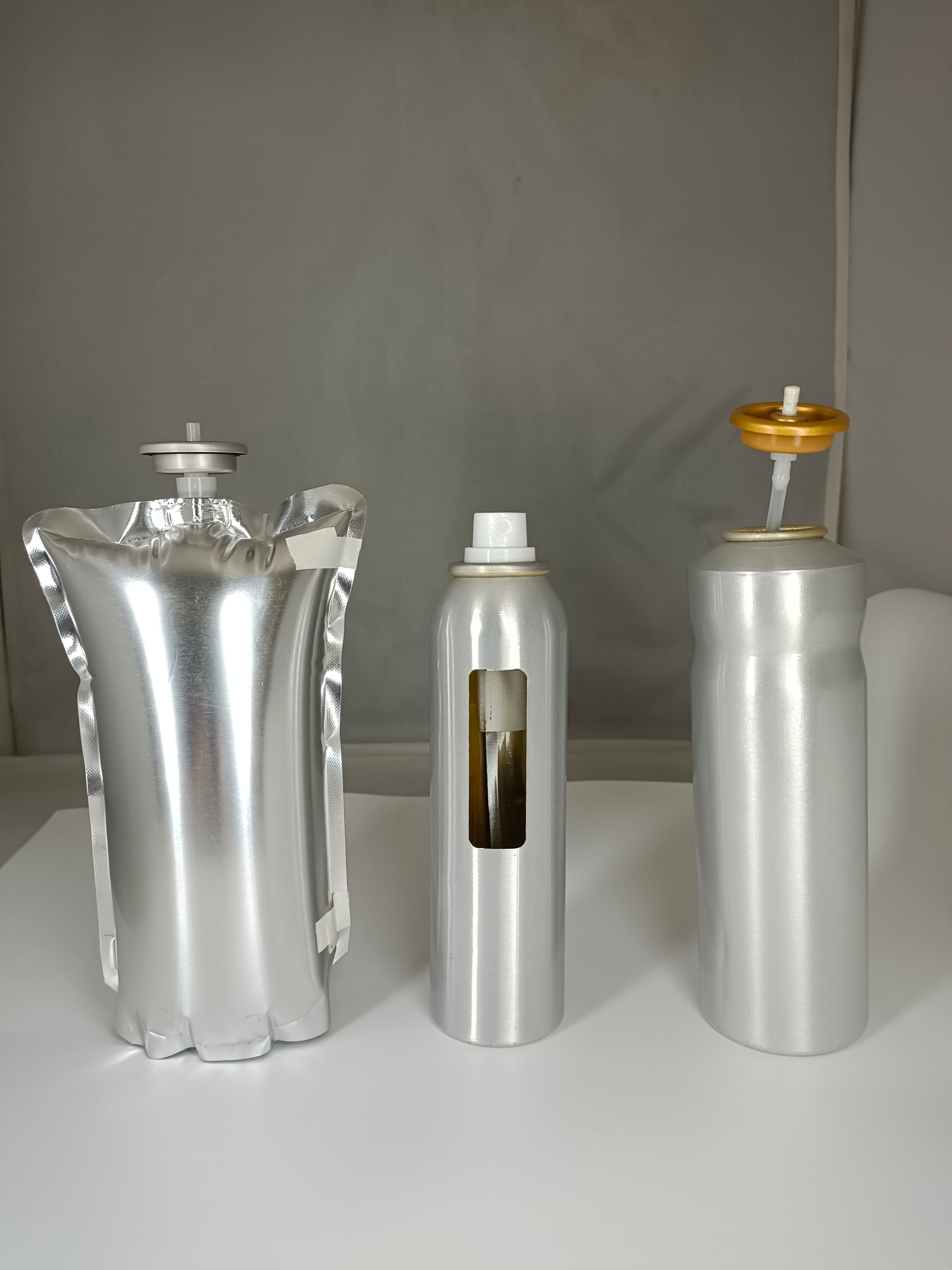
Many brands assume that going green means compromising on durability or aesthetics, but that’s no longer the case. Modern sustainable packaging solutions marry eco-friendly materials with smart engineering, ensuring products stay protected without relying on excessive padding or virgin plastics. Whether it’s compostable mailers that resist tearing or molded pulp inserts that cradle items as securely as foam, the new wave of designs proves you can cut waste and still deliver a premium unboxing experience.
Cost has long been a sticking point for businesses eyeing sustainable options, yet innovative manufacturing and material sourcing are rapidly closing the gap. Recycled cardboard, algae-based inks, and bioplastic alternatives now come at competitive prices, especially when factoring in the long-term benefits—like lighter shipments that reduce freight expenses and brand loyalty from eco-conscious customers. The trick lies in right-sizing packaging and streamlining supply chains, which often reveals that doing good for the planet can also be good for the bottom line.
Scalability used to trip up even the most determined companies, but infrastructure has matured. From regional suppliers offering post-consumer recycled content to print-on-demand systems that minimize excess inventory, the path to sustainable packaging is clearer than ever. Forward-thinking brands are treating this shift not as a marketing checkbox, but as a practical upgrade—one that preserves performance while aligning with values customers genuinely appreciate.
The Eco-Conscious Manufacturer Behind Your Favorite Products
It's easy to overlook the origins of everyday items, but many of the products you rely on are brought to life by a manufacturer deeply committed to environmental stewardship. This isn't just about checking boxes; it's woven into their entire operation, from sourcing raw materials with a lighter footprint to designing packaging that won't linger for centuries. They've quietly reshaped supply chains to reduce waste and energy use, proving that quality and conscience can coexist without fanfare.
What sets them apart is a hands-on approach to sustainability that goes beyond surface-level claims. They invest in closed-loop systems where production scraps become next season's materials, and they partner only with suppliers who share their rigorous standards. Their facilities run on renewable energy, and water used in manufacturing is treated and returned cleaner than it arrived. Every step is measured and refined, with a stubborn refusal to accept that industrial progress must come at nature's expense.
Perhaps most striking is the transparency they bring to an often opaque industry. You won't find vague promises here; instead, detailed audits and real-time data are openly shared, inviting scrutiny rather than deflecting it. This manufacturer doesn't just deliver the goods—they actively educate their partners and customers on the long-term impact of mindful production. In a world of fleeting trends, their dedication to lasting change is what keeps your favorite brands coming back, confident that the backstory behind each product is as solid as the item itself.
Redesigning Aerosol Cans for a Circular Economy
The shift toward a circular economy demands a fundamental rethinking of how aerosol cans are designed, moving beyond the traditional linear model of take-make-dispose. This starts with material choices: replacing mixed materials that are tough to separate with mono-material constructions—like all-aluminum or all-steel cans—that streamline recycling. Designers are also exploring refillable systems, where the canister itself becomes a durable, reusable vessel and the product is replenished via a separate cartridge or bulk dispenser. Such approaches not only cut down on waste but also create new user habits around consumption without sacrificing convenience.
Equally critical is the dismantling of functional barriers that have long kept aerosol cans out of efficient material loops. Standardizing valve and actuator designs so they snap apart easily, using water-soluble or heat-separable adhesives, and eliminating problematic pigments and coatings can drastically improve end-of-life processing. Some brands are even embedding digital watermarks or tactile markers to help sorting facilities identify and channel these items correctly. By treating every component as a candidate for recovery, the entire system becomes less reliant on downcycling and more aligned with true material regeneration.
Ultimately, redesign for circularity is as much about service models as it is about hardware. Pairing a refillable can with a subscription or deposit-return scheme creates the economic incentive for consumers to participate, while giving manufacturers a steady flow of materials to recondition. In this light, the aerosol can transforms from a single-use container into a long-lived asset—one whose value is sustained through multiple lifecycles and whose environmental footprint is dramatically reduced.
How We Make Green Beauty Packaging Accessible
We believe sustainable beauty shouldn't be a luxury. That’s why we’ve streamlined our sourcing and production processes to cut unnecessary costs, passing the savings directly to you. By working closely with manufacturers who share our commitment to the planet, we’ve eliminated middlemen and premium markups that often inflate the price of eco-friendly packaging. The result? Thoughtfully designed, planet-conscious containers that fit real budgets.
Accessibility also means making it easy to find and choose green options. We’ve curated a clear, no-guesswork collection where every item meets strict sustainability criteria—no greenwashing, no vague claims. From compostable mailers to refillable glass jars, each product is labeled with transparent sourcing and end-of-life details, empowering you to make informed choices without hours of research. Plus, our bulk programs and flexible ordering let small brands start where they are, scaling up as they grow.
Ultimately, accessibility is about community. We offer free design resources, real-world guides, and responsive support to help indie beauty entrepreneurs navigate the shift toward greener packaging. We’ve learned that price alone isn’t the barrier—it’s often the fear of getting it wrong. By sharing our trials and solutions openly, we hope to lower that hurdle, proving that beautiful, eco-conscious packaging can be within everyone’s reach.
Future-Proofing Cosmetics with Responsible Innovation
The beauty landscape is shifting beneath our feet. What worked yesterday might not work tomorrow, and that's the honest reality. To stay ahead, brands have to layer creativity with conscience, weaving sustainability into the fabric of every product from the ground up. It’s not just about a recyclable tube or a refillable jar—it’s about rethinking entire supply chains, questioning ingredients at their source, and imagining the afterlife of every single item before it even hits the shelf. That kind of thinking doesn’t come from a checklist; it comes from a deep respect for the people who use these products and the planet we all share.
Forget the old 'move fast and break things' mentality. Real resilience is built through partnerships that push boundaries without pushing ecosystems to the brink. Imagine a lab where chemists sit alongside botanists and waste management experts, concocting formulas that not only make your skin glow but actively restore soil health when they eventually wash down the drain. It’s about designing out waste entirely, turning byproducts into new raw materials, and creating closed-loop systems that feel almost alive in their efficiency. This isn't a trend—it's the price of admission for any brand that hopes to matter in the next decade.
Transparency is the new ingredient list. Consumers aren't asking for perfection; they're asking for honesty. When a brand admits, 'Here’s what we’re still figuring out,' it builds a trust that no glossy campaign can buy. Combine that with advances in biotech—like lab-grown actives that leave fragile natural ecosystems untouched—and you have a recipe for products that feel both futuristic and deeply human. The brands that will thrive are those that stop treating sustainability as a marketing angle and start using it as a lens for every decision, from sourcing to shipping. That’s how you build a portfolio that adapts, not just survives, in a world where change is the only constant.
FAQ
Our Bag-On-Valve technology separates the product from the propellant, using compressed air or nitrogen instead of flammable gases. This keeps the formula pure and uncontaminated, prevents propellant mixing, and enables a 360-degree spray—all while reducing volatile organic compounds.
We design our BOV aerosols with recyclable aluminum cans and minimize material waste. The system uses eco-friendly propellants like nitrogen, and the bag allows nearly 100% product evacuation, reducing leftovers. We also offer refillable and post-consumer recycled content options.
Absolutely. We provide full customization—from can size, shape, and decoration to actuator and valve specifications. Our in-house R&D team works closely with your formula, ensuring compatibility, stability, and desired spray patterns for creams, mists, foams, or serums.
We follow rigorous testing at every stage: raw material inspection, in-line pressure and leak tests, hot water bath checks, and microbial stability analysis. Our facility is ISO 22716 and GMPC certified, and we comply with EU, FDA, and global cosmetic regulations.
We keep MOQs flexible to support indie brands and startups. For fully customized designs, the typical starting quantity is around 10,000 units per SKU, but we can discuss lower volumes for stock packaging options or semi-custom decoration.
We fine-tune the actuator and valve combination to deliver a soft, consistent mist or a dense, creamy foam—exactly as desired. Our BOV system operates silently, maintains product integrity, and prevents oxidation, so the consumer always gets a fresh, high-end sensory experience.
BOV works beautifully for sensitive, airless-sensitive formulations: vitamin C serums, retinol creams, sunscreens, thermal spring water mists, shaving foams, post-procedure care, and organic formulas. It extends shelf life without synthetic preservatives.
Yes, we act as a turnkey partner. Our team guides you through formula compatibility, can and valve selection, artwork proofing, and regulatory documentation. We even provide sample runs and stability testing so your launch is smooth from concept to shelf.
Conclusion
China BOV aerosol cosmetics suppliers are quietly reshaping the beauty packaging landscape by placing sustainability at the heart of their manufacturing process. The Bag-On-Valve (BOV) technology is a true game changer: it separates the product from the propellant, allowing for preservative-free, airless dispensing that extends shelf life while delivering a gentle, consistent spray. For beauty brands, this translates into a premium user experience—think fine mists that apply flawlessly without cold burns or sputtering. Moreover, these suppliers are proving that sustainable packaging doesn't require painful trade-offs. By using recycled aluminum and post-consumer resins, they craft fully recyclable cans that maintain a luxurious look and feel. The eco-conscious manufacturer behind many cult-favorite products operates with deep transparency, often running on renewable energy and adhering to rigorous international standards. Their facilities are designed for circularity, minimizing waste and water use at every turn.
Redesigning aerosol cans for a true circular economy means rethinking every component—from mono-material valves that simplify recycling to water-based inks and solvent-free adhesives. These innovations ensure that empty cans can re-enter the material stream without contamination. Beyond the product itself, Chinese BOV suppliers are making green beauty packaging widely accessible. They bridge the gap between high-end aesthetics and affordable, scalable production, enabling indie brands and global giants alike to adopt eco-friendly solutions without compromising their budgets. Looking ahead, their focus on responsible innovation future-proofs the cosmetics industry. By continuously refining materials, reducing carbon footprints, and embracing refillable formats, they position beauty products to meet tightening regulations and evolving consumer expectations. Ultimately, their quiet leadership turns the humble aerosol can from a pollution symbol into a beacon of responsible design, proving that smart engineering and environmental values can coexist beautifully.
Contact Us
Contact Person: Simon
Email: [email protected]
Tel/WhatsApp: +86 13267966849
Website: https://www.wilsoncosmetic.com