

Concrete Batching Plant Sludge Chamber Filter Press Manufacturer: Efficient Solutions for Wastewater Management
2026-08-02
Managing sludge in concrete batching plants is a persistent challenge that directly impacts operational efficiency and environmental compliance. Without an effective dewatering system, wastewater can quickly become a bottleneck. That’s where Sinou steps in—a specialized filter press manufacturer delivering tailored solutions for sludge chamber dewatering. By combining robust engineering with a deep understanding of plant workflows, Sinou helps you turn waste into a manageable, eco-friendly byproduct. Ready to discover how the right filter press can transform your wastewater management?
How Sludge Chamber Presses Revolutionize Concrete Plant Wastewater Treatment
Dealing with the thick slurry leftover from concrete production used to be a constant headache. Traditional methods like settling ponds not only hogged valuable space but also struggled to separate fine particles quickly, leaving plants with murky water that was hard to reuse. The introduction of sludge chamber presses changed everything by applying brute mechanical force to squeeze water out of the sludge in a fraction of the time. Suddenly, what was once a slow, passive process became a swift, controllable operation where you could watch clean water actually stream out from between the plates, ready to be pumped back into the batching system without a second thought.
These presses do more than just fast-track the separation phase; they turn waste into a manageable solid. Instead of a soupy mess that needs special disposal, the press delivers dry, crumbly filter cakes that can often be repurposed or sent to a standard landfill with no extra complications. Plant managers find that running a chamber press shrinks their overall water demand because the recycled water is clear enough for real production use—no more clogged nozzles or compromised concrete mix quality. Over time, the cost of freight for hauling away wet sludge plummets, and some facilities even sell the reclaimed solids for fill or other low-grade applications, turning a disposal line item into a potential revenue trickle.
What really sets the chamber press apart in a concrete plant is how it handles the gritty unpredictability of real-world washout. Cement-laden water is abrasive and chemically aggressive, but the sturdy plate construction and simple hydraulic clamping system stand up to it year after year without delicates sensors or filters that foul. Operators can tailor the cycle—adjusting the feed pressure, squeeze time, and plate count—to match the mix of aggregates and cement they’re processing that hour, getting peak performance from a setup that doesn’t demand a dedicated engineer to babysit it. It’s this blend of ruggedness, flexibility, and sheer water recovery efficiency that has quietly made the sludge chamber press the backbone of modern concrete plant recycling, leaving old settling basin approaches in the dust.
Key Features That Set Our Filter Press Apart from Standard Models
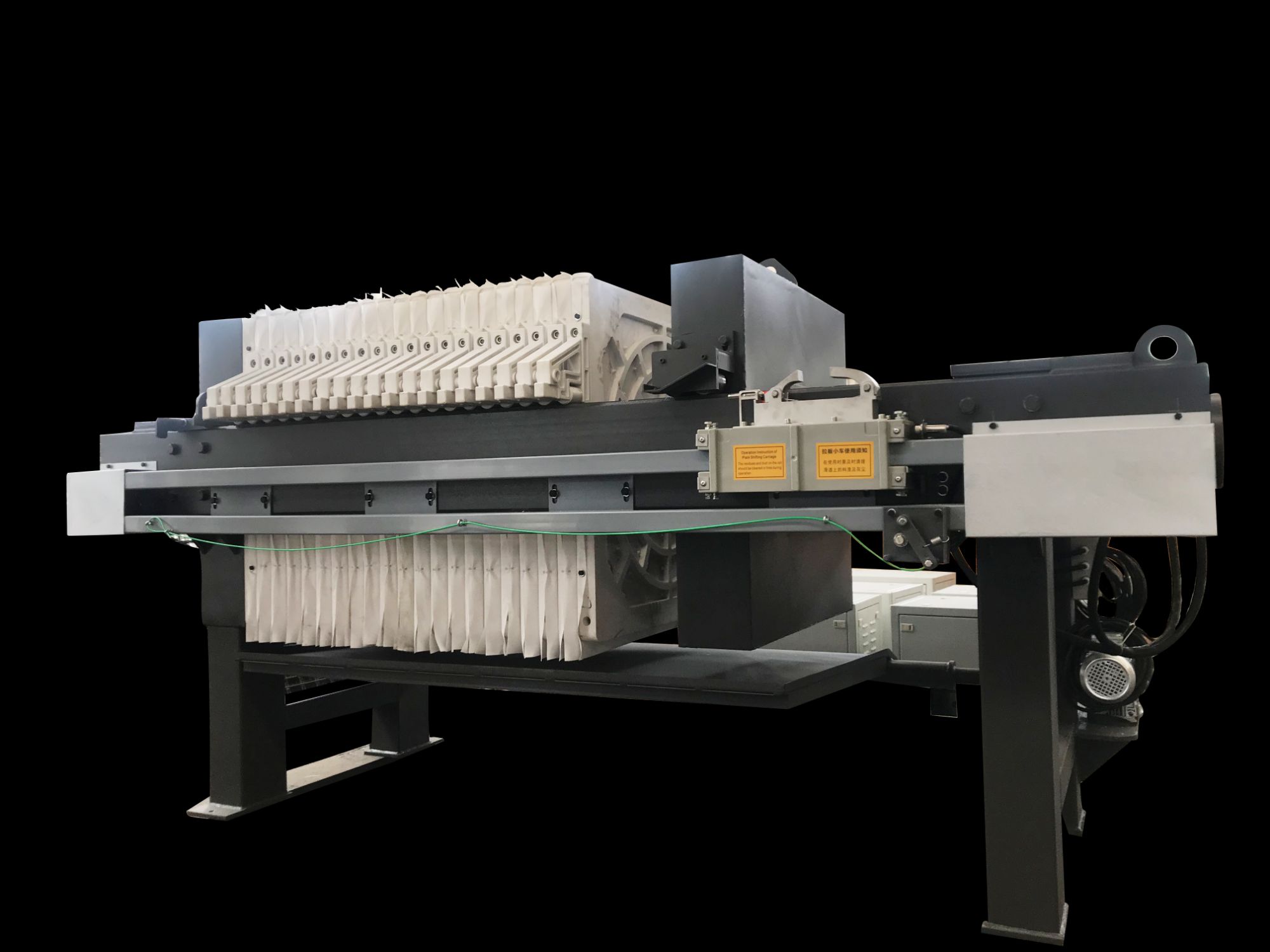
Most standard filter presses rely on straightforward plate-and-frame mechanics, but ours introduces a dynamic pressure distribution system that actively responds to slurry consistency in real time. Where conventional models lose efficiency as cake builds unevenly, our design compensates automatically, delivering a drier cake with notably shorter cycle times. This isn’t just an incremental tweak — it’s a fundamentally different approach that operators notice from the first batch.
Another departure is how we’ve rethought cloth maintenance. Instead of the usual routine of frequent, labor-intensive changes, our filter press uses a self-aligning cloth tension mechanism and a proprietary weave pattern that resists blinding. The result is uptime that climbs noticeably, while the consumable cost curve flattens in ways standard equipment simply can’t match.
We also addressed the footprint and energy profile head-on. By integrating the hydraulic unit and controls into a single compact frame, we eliminated the sprawl typical of comparable-capacity presses. The closed-loop hydraulic system runs cooler and quieter, drawing less power per cycle — a direct line to lower operating overhead that goes well beyond what off-the-shelf models deliver.
Real-World Results: Cutting Disposal Costs While Meeting Regulations
A mid-sized chemical plant in the Midwest faced soaring hazardous waste disposal fees after a regulatory audit flagged their solvent management practices. By implementing a closed-loop solvent recovery system, they cut their external disposal volume by 62% within six months, directly saving over $140,000 annually. The switch not only kept them compliant with EPA’s RCRA standards but also reduced their cradle-to-grave liability, with regulators commending their proactive minimization plan during the next inspection.
In the automotive refinishing sector, a regional chain of collision repair shops optimized their paint sludge handling to meet stringent local landfill bans. They replaced single-use booth filters with a centrifuge-based dewatering unit that separated solids for off-site recycling and returned clear water to the process. Disposal frequency dropped from weekly pickups to once every three months, slashing costs by 40% and eliminating the risk of fines, all while boosting their eco-branding to attract environmentally conscious customers.
A county hospital consolidated its pharmaceutical and biohazard waste streams after a joint assessment with a waste service partner revealed overlapping disposal protocols. By reclassifying certain expired drugs and redesigning the sorting workflow, they diverted 18 tons of material from incineration to cheaper non-hazardous treatment each year. The revised program maintained compliance with both state EPA guidelines and DEA regulations for controlled substances, turning a $30,000 annual expense into a $22,000 saving while increasing staff safety through clearer segregation procedures.
Step-by-Step: Integrating a Chamber Press into Your Existing Setup
Begin by mapping out your current filtration line – note the points where you can introduce the chamber press without interrupting flow. Consider slurry feed consistency and any pre-treatment steps like flocculation that might now become necessary. It’s rarely plug-and-play, so expect to tweak pump settings and pipe diameters to match the press’s hydraulic demand.
Next, focus on physical placement. A chamber press isn’t just heavy; it requires clearance for plate shifting, cake discharge, and occasional maintenance. Factor in a catchment area for filtrate and a simple conveyor or bin for solids. Even in cramped spaces, a well-angled gravity feed or a small sump pump can save you from major layout changes.
Finally, integrate the controls. Rather than running it standalone, tie the press’s cycle triggers to your upstream process – a level sensor in a holding tank or a timer synced to batch completion. Start with conservative cycle times and pressures, then adjust based on actual cake moisture. Over time, you’ll find the sweet spot where throughput and dryness balance without overtaxing the cloths.
Maintenance Myths Busted — Keeping Your System Running Smoothly
We’ve all heard the advice: “If it’s working, don’t touch it.” But when it comes to system maintenance, that mindset can quietly lead to slowdowns, crashes, or worse. The truth is, regular upkeep doesn’t mean constant tinkering—it means understanding what actually makes a difference. Many common beliefs about maintenance are either outdated or simply wrong, and believing them can cost you time and performance.
For instance, the idea that you need to defragment your drive every week is a relic from the era of spinning hard drives. Modern solid-state drives work differently, and excessive defragmentation can actually shorten their lifespan. Similarly, closing background apps won’t magically double your speed; today’s operating systems are smart enough to manage memory without your constant intervention. The real culprits are often overlooked: dust buildup, unchecked startup programs, or an aging cooling system that silently throttles performance.
The best approach isn’t about following a rigid checklist—it’s about tuning into your system’s actual needs. A quick visual inspection for dust, a periodic review of startup items, and leaving that drive defragmentation to happen automatically when needed. By shedding these myths, you stop fighting phantom problems and start keeping your machine genuinely smooth and responsive, without the unnecessary fuss.
Future-Proofing Your Plant: Why Sludge Management Matters More Than Ever
Most operators still treat sludge as an afterthought—a messy byproduct you haul off and forget. But tightening environmental regulations, rising disposal costs, and the push for resource recovery are rewriting the playbook. The plants that thrive in the next decade will be the ones that see sludge not as waste, but as a reservoir of value: energy, nutrients, even clean water. Ignoring this shift doesn't just risk fines; it risks making your entire facility economically obsolete.
Think about what's actually in that sludge. It's packed with organic matter that can be converted to biogas, slashing your energy bills. It contains phosphorus and nitrogen that, with the right recovery tech, can be sold back to agriculture. Forward-thinking plants are already closing the loop, using thermal hydrolysis or advanced digestion to boost output while shrinking the volume that needs disposal. The technology may sound exotic, but it's rapidly becoming standard for any plant serious about resilience.
The real question isn't whether you can afford to upgrade your sludge handling—it's whether you can afford not to. Public expectations are shifting, too. Communities increasingly expect wastewater treatment to be a net-positive process, not just damage control. Future-proofing means embracing sludge as an opportunity to generate revenue, insulate against regulatory shocks, and build a reputation as a utility that's leading rather than following. Start small if you must, but start now. The plants that wait will find themselves playing a very expensive game of catch-up.
FAQ
It's a piece of dewatering equipment that uses pressure to separate solids from wastewater. In a batching plant, it captures the fine cement and aggregate particles that would otherwise clog drains or pollute local water sources, squeezing the sludge into dry filter cakes while releasing reusable clear water.
Standard settling ponds or pits are often slow, space-heavy, and inconsistent. A filter press handles the high-solids, alkaline wastewater immediately, reducing downtime for cleaning and preventing environmental violations. It also recovers a portion of the water for reuse in the batching process.
By drastically cutting fresh water consumption and slashing liquid waste hauling costs. The dry cakes are cheaper to dispose of, and the recycled water trims your monthly water bills. Over time, the machine pays for itself through these operational savings.
A specialist manufacturer designs the press around the abrasive, high-silica nature of concrete waste. They use reinforced plates, long-life membranes, and tailored cloth fabrics to withstand the harsh conditions. Plus, they provide startup support and spare parts specifically matched to batching plant cycles.
Yes, with the right system. The filtered water, while alkaline and slightly silty, is frequently mixed back into fresh concrete. The key is consistent monitoring and adjusting mix designs to account for the minor variations – a practice that many plants have successfully adopted to significantly reduce water footprints.
Modern chamber filter presses for this application are designed for simplicity. Most operators learn the cycle – pump the sludge, press, open, and cake shake-off – within a shift. The manufacturer typically includes on-site training and a clear control panel that automates the clamping and filtration steps.
Sizing depends on the daily sludge volume and how many hours you want the press to run. A small ready-mix plant might manage with a 470mm plate press, while a large combined plant often needs 800mm plates with multiple chambers. The manufacturer will typically study your washout patterns to recommend a practical match.
It sits as a self-contained unit next to the sludge pit or holding tank. Sludge is pumped directly from the pit into the press. The clear water outlet can be plumbed to a reuse tank, and the dry cakes drop into a skip or conveyor. Minimal alterations to your current setup are usually needed.
Conclusion
In concrete production, managing sludge and wastewater isn't just a regulatory headache—it's a daily operational challenge that eats into margins if left unchecked. Traditional settling ponds and basic filters often fall short, leaving plants with high disposal costs and compliance risks. That's where chamber filter presses step in, transforming how batching plants handle slurry. Rather than sending sludge offsite for treatment or paying hefty disposal fees, these systems dewater on-site, producing stackable filter cake and reusable water. Our press design pushes this further by incorporating automated plate shifting, heavy-duty construction that withstands abrasive cement fines, and higher pressure cycles that cut cycle times without sacrificing dryness. The result is a compact, low-maintenance unit that slips into existing production loops—typically requiring only a few hours of downtime to tie into washout stations and mix water lines—and starts paying back through slashed haul-away bills almost immediately.
Real-world feedback shows disposal volumes dropping by up to 70%, and some plants recover enough water to offset a significant portion of their batch mix needs. Yet, even with these gains, misconceptions linger—especially around maintenance. Modern presses are not the clog-prone, manual-clean machines of the past; automatic cloth washing and drip trays keep them running with minimal intervention. As environmental standards tighten and water costs rise, plants that invest in robust sludge dewatering now position themselves ahead of both regulators and competitors. Future-proofing isn't just about compliance—it's about turning a waste stream into a resource loop that strengthens your bottom line.
Contact Us
Contact Person: HaiYan
Email: [email protected]
Tel/WhatsApp: +86 18957325588
Website: https://www.senyoubeton.com/