

Custom Hotel Heating and Cooling Systems: Tailored Comfort for Every Guest
2026-10-12
Comfort in a hotel isn't just about soft pillows—it's the air you breathe. Custom hotel heating and cooling systems mean guests no longer fight with noisy window units or unpredictable thermostats. Tongbaote approaches climate design as a guest-first service, not an afterthought. That changes everything from first impressions to repeat bookings.
Why Custom Hotel Climate Control Is Not a Perk Anymore
There was a time when stepping into a hotel room and finding an adjustable thermostat felt like a small luxury. Today, travelers don't just notice the temperature—they expect to control it. A stuffy room or a noisy AC unit that ignores personal comfort can ruin a night's sleep, and that frustration now shows up in reviews and repeat bookings. The dial on the wall has shifted from a nice extra to a basic requirement, much like hot water or a comfortable mattress.
Part of this change comes from home life. Smart thermostats and zoned heating have made precise climate control normal in apartments and houses, so guests carry those habits with them. When a hotel forces everyone into the same preset range or hides the controls behind a maintenance call, it feels less like hospitality and more like an inconvenience. Offering guests the ability to fine-tune airflow, fan speed, and temperature isn't a differentiator anymore—it's the baseline for a decent stay.
Ignoring this shift is risky. Different bodies run at different temperatures, and what feels refreshing to one person can feel like an icebox to another. Hotels that give guests straightforward, responsive climate control see fewer midnight calls to the front desk and fewer complaints about comfort. In a market where one bad night can outweigh a dozen good ones, treating temperature control as essential rather than optional is simply good sense.
How Zoned Systems Fix the Cold Lobby Hot Hallway Problem
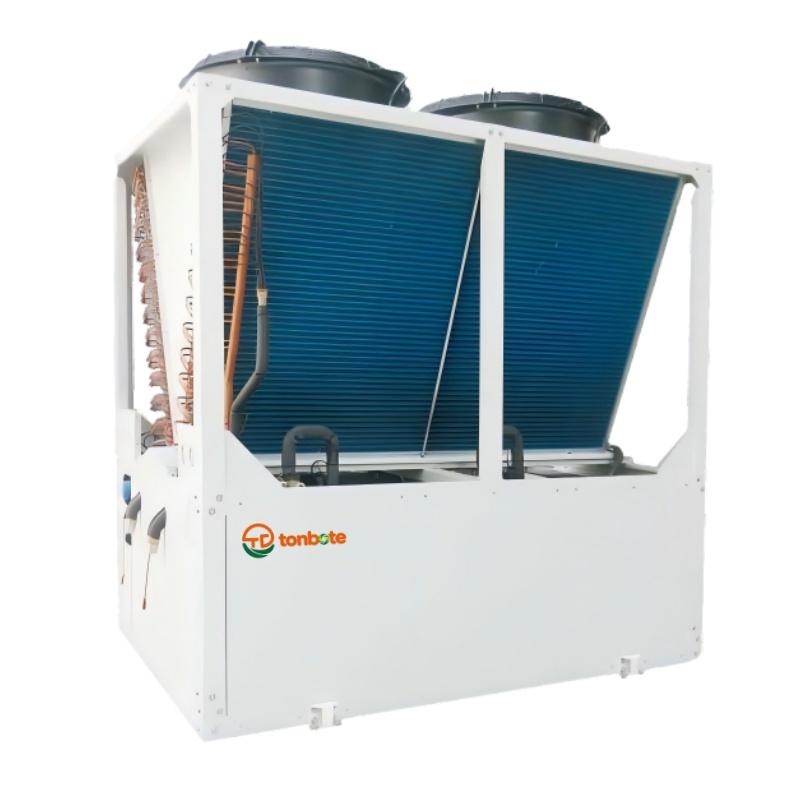
Most buildings force one thermostat to guess for every room at once, so lobbies with tall glass end up chilled while interior corridors trap heat. Zoned systems stop that tug-of-war by splitting the building into separate control areas, each with its own temperature sensor and motorized damper. When the lobby calls for heat, only that zone opens; the hallway doesn’t get another blast of warm air it never needed.
Instead of running the whole fan coil or rooftop unit at full output, a zoned setup can trim airflow to just the areas that are actually uncomfortable. That means a south-facing lobby can get extra cooling in the afternoon without turning the adjoining hall into a wind tunnel, and a corridor full of people can stay cooler while an empty entryway idles at a lower setting.
The fix also shows up in energy use because the equipment stops fighting itself. Rather than reheating or overcooling one space to make another tolerable, zoning keeps each zone near its setpoint with less cycling. Over a season, the building settles into a steadier rhythm, and the complaints about cold lobbies and stuffy hallways tend to disappear.
The Quiet Shift Away from One-Size-Fits-All Hotel HVAC
For decades, the hotel HVAC system sat quietly behind the walls, blowing the same conditioned air into every room regardless of who was sleeping there. A guest freezing in a corner suite and another sweating two doors down both had to fiddle with the same limited thermostat. That model is finally loosening.
Newer properties and deep retrofits are moving toward zoned equipment, occupancy sensors, and in-room controls that hold a guest's preferred temperature from check-in to checkout. Empty rooms default to a wider setback, which keeps humidity in check without wasting energy on unoccupied space.
The push isn't coming from a single direction. Utility rebates, stricter building codes, and a wave of guest complaints about stuffy or noisy rooms have forced operators to rethink the old central plant. In practice, the change looks less like a dramatic overhaul and more like a quiet replacement of valves, dampers, and controls that add up to a very different feel inside the room.
What Guests Actually Feel When Heating and Cooling Are Tailored
A room that adapts to your body's quiet signals—not the other way around—changes how you move through a space. When the air warms just as your skin starts to cool, or a gentle draft disappears the moment you settle into an armchair, you stop noticing the temperature altogether. That absence of thought is the real luxury. You're not reaching for a blanket or cracking a window; you're simply present, and the room supports that without asking for your attention.
Beyond physical comfort, there's a subtle emotional shift. Guests who never have to brace themselves for a cold hallway or a stuffy upstairs bedroom feel, on some level, that the building cares about their experience. It's not about dramatic changes—most people can't tell if it's 71 or 73 degrees. What they sense is consistency: the same easy warmth in the kitchen at dawn and the living room at midnight. That steadiness reads as quiet competence, a home that has its act together.
And then there's the surprising effect on social ease. In a tailored climate, conversations stretch longer because nobody is distracted by a chill creeping up their legs or a hot spot near the window. People linger after dinner without fidgeting. They describe the space later not as "warm" or "cool" but as "comfortable"—a word that erases the mechanism behind it. That erasure is the whole point: the best temperature control disappears, leaving only the feeling of being exactly where you're supposed to be.
Designing Hotel Room Temperatures Around Human Sleep Cycles
Most hotels keep guest rooms somewhere between 68 and 72 degrees Fahrenheit without much thought, but a smarter approach treats temperature as a dynamic variable that tracks the body’s nightly drop in core heat. Right before sleep onset, blood vessels in the skin dilate and the body sheds warmth, which is why a room that feels fine at 10 p.m. can feel stuffy by 2 a.m. If the thermostat stays flat, guests often wake during the lighter sleep stages near the early morning, when thermoregulation is less precise and slight overheating or chilling becomes disruptive.
Designing a room around sleep architecture means shifting the set point over the course of the night, not just offering a single “good” number. In practice, this could look like a gentle cool-down from 71°F at check-in to around 66°F in the deep sleep window between midnight and 4 a.m., then a slight warm-up to 68°F before typical wake time. The goal is to mirror the body’s own temperature curve: lower during slow-wave sleep, rising slightly as morning approaches. Smart thermostats, occupancy sensors, and even bed-based temperature controls can make this invisible to the guest.
The payoff goes beyond comfort. When room temperature aligns with circadian and sleep-stage shifts, guests spend less time in restless light sleep and more time in the restorative phases that determine how rested they feel. A hotel that tunes its thermal environment to human biology can turn a standard room into a place where falling asleep feels effortless and waking up feels less abrupt. That is a detail guests may not name, but they will remember it.
Smart Sensors That Learn Guest Comfort Without Being Creepy
Hotel rooms have long relied on manual thermostats and do-not-disturb signs, but a new wave of in-room sensors is quietly changing that. These devices don't watch or listen; they simply track temperature, humidity, light levels, and even mattress pressure. Over time, they learn patterns: a guest who always turns the AC down to 68 at night, or one who prefers a dimmer bathroom light at 3 a.m. The system adjusts automatically, so the room feels familiar by the second night. No cameras, no microphones—just small, anonymous data points that respect personal space while delivering a more restful stay.
The magic lies in the subtlety. Instead of asking guests to fill out preference forms or fiddle with a clunky tablet, the sensors observe behavior passively. A family with young kids might trigger a warmer room in the early evening, then a cooler one after bedtime. A business traveler who always opens the curtains at sunrise might find them already cracked when the alarm goes off. These shifts happen without a single prompt, which is what makes the technology feel less like surveillance and more like a thoughtful staff member who anticipates needs before you ring the front desk.
Of course, the creep factor is a real concern. Smart sensors can cross a line if they start linking data to identities or sending habits to third parties. The best implementations keep everything local and anonymous: the room's brain forgets you the moment you check out, retaining only general trends, not personal profiles. Guests also get a simple off switch by the door. That transparency—no hidden feeds, no permanent records—is what turns a potentially invasive gadget into a comfort tool people actually appreciate.
FAQ
True customization comes from combining occupant sensing, personal profiles, and room-by-room zoning. Instead of a single thermostat controlling an entire floor, each space adjusts airflow, radiant panels, or fan speeds based on real-time occupancy and the guest's stored temperature preference.
The best designs use predictive algorithms that learn when rooms are likely to be empty and pre-cool or pre-heat only occupied zones. By linking key card access, motion sensors, and even weather forecasts, the system delivers comfort when needed and dials back energy use during vacant periods without guests noticing.
Zoning prevents the common complaint of one room being freezing while the next is stuffy. It lets corner suites with large windows receive extra cooling in summer, while interior rooms get gentle heating in winter, all from the same central plant but with independent dampers and variable-speed fans.
Modern smart thermostats go beyond setpoints. They track humidity, air movement, and even sunlight on the facade, then communicate with the building management system to fine-tune each room's climate. Some models allow guests to use their own phone as a remote, so the room reaches their preferred temperature before they walk in.
Yes, guest overrides are typically allowed within a comfortable range. The system learns from those adjustments and can reset to an energy-saving baseline after checkout. This gives guests control while preventing extreme settings that could freeze coils or overload compressors.
When rooms maintain a stable temperature, low noise, and good air quality, guests sleep better and report higher comfort ratings. Custom systems reduce hot or cold spots, minimize draft, and keep background sound below a whisper, which directly influences online reviews and repeat bookings.
Space constraints for ductwork, outdated electrical panels, and preserving historic interiors are the biggest hurdles. Many retrofits opt for ductless mini-splits, low-profile fan coils, or hydronic radiant ceilings, which can be installed with minimal disruption and still provide room-level control.
Designs in humid coastal areas prioritize dehumidification and corrosion-resistant coils, while mountain resorts focus on heat recovery from exhaust air and rapid warm-up times. The system is tuned to local weather patterns, so guests feel consistent indoor comfort regardless of whether it is snowing or sweltering outside.
Conclusion
Hotels once treated uniform HVAC as acceptable, but guest expectations have shifted. A lobby that stays chilly while hallways overheat signals outdated equipment. Zoned systems address this by allowing different areas to hold their own temperatures, so the check-in desk can feel crisp while corridors remain neutral. The move away from one-size-fits-all isn't about luxury; it's about fixing real discomfort that guests notice immediately. When heating and cooling respond to actual occupancy and room orientation, the difference shows up in better sleep, fewer complaints, and a sense that the room was prepared for the person staying in it. Guests rarely praise a perfectly balanced room, but they will complain about one that is not. This shift is less about adding luxury and more about meeting a basic expectation of rest.
Modern custom climate control also works with the body's natural rhythms. Room temperatures that lower slightly during deep sleep and warm gently before wake-up help guests rest without needing to touch a thermostat. Smart sensors can learn preferences from a guest's past stays or local weather patterns, adjusting quietly in the background. The key is that this technology stays unobtrusive—no cameras, no voice commands, just small changes based on occupancy and time of day. Hotels that get this right offer comfort that feels personal without feeling watched, turning an ordinary room into one that actually supports a good night.
Contact Us
Contact Person: Wanshu Chen
Email: [email protected]
Tel/WhatsApp: +86-13662871206
Website: https://www.mbcee.com