

Custom Strip Rolling Mills: Enhancing Precision & Efficiency
2026-01-25
In the world of metalworking, precision and efficiency are no longer just goals—they’re necessities. As industries push for thinner, stronger, and more consistent materials, the technology behind custom strip rolling mills has become a game-changer. At GRM, we’re at the forefront of this revolution, crafting mills that don’t just meet standards but redefine them. In this blog, we’ll dive into how innovative mill designs enhance performance, reduce waste, and drive productivity. Whether you’re an engineer, a manufacturer, or simply curious about cutting-edge industrial tech, join us as we explore the future of strip rolling—where every micron matters.
Precision Engineering in Strip Rolling Mills
When you think about the sleek surfaces of modern appliances or the flawless consistency of automotive panels, it's easy to overlook the intricate dance of technology happening behind the scenes. Strip rolling mills, where raw metal is transformed into thin, uniform sheets, rely heavily on precision engineering to achieve this level of quality. This involves meticulous control over every aspect of the process, from the initial heating of the metal to the final coiling, ensuring that the materials not only meet exact thickness specifications but also maintain structural integrity and surface finish. Without such precision, variations in temperature or pressure could lead to defects like warping or uneven textures, ultimately compromising the performance and aesthetics of the final products.
What sets top-tier rolling mills apart is their integration of advanced technologies that go beyond basic automation. For instance, real-time monitoring systems equipped with high-resolution sensors continuously track parameters such as roll force and strip tension, allowing for immediate adjustments to mitigate any deviations. These systems are coupled with sophisticated predictive algorithms that analyze historical data to anticipate potential issues before they arise, minimizing downtime and waste. By fine-tuning these processes with a focus on precision, manufacturers can produce strips with tolerances measured in micrometers, which is crucial for industries like electronics where even minor imperfections can lead to device failures.
Moreover, the emphasis on precision engineering extends to the environmental and economic aspects of strip rolling. By optimizing energy consumption and reducing material scrap through tighter controls, these mills not only enhance sustainability but also boost profitability. The careful calibration of equipment, such as adjusting roll gaps and lubricants, ensures that each pass through the mill is as efficient as possible, cutting down on resource use without sacrificing quality. This holistic approach not only meets stringent industry standards but also fosters innovation, pushing the boundaries of what's possible in metal fabrications and driving continuous improvement across the sector.
Boosting Efficiency with Advanced Mill Technologies
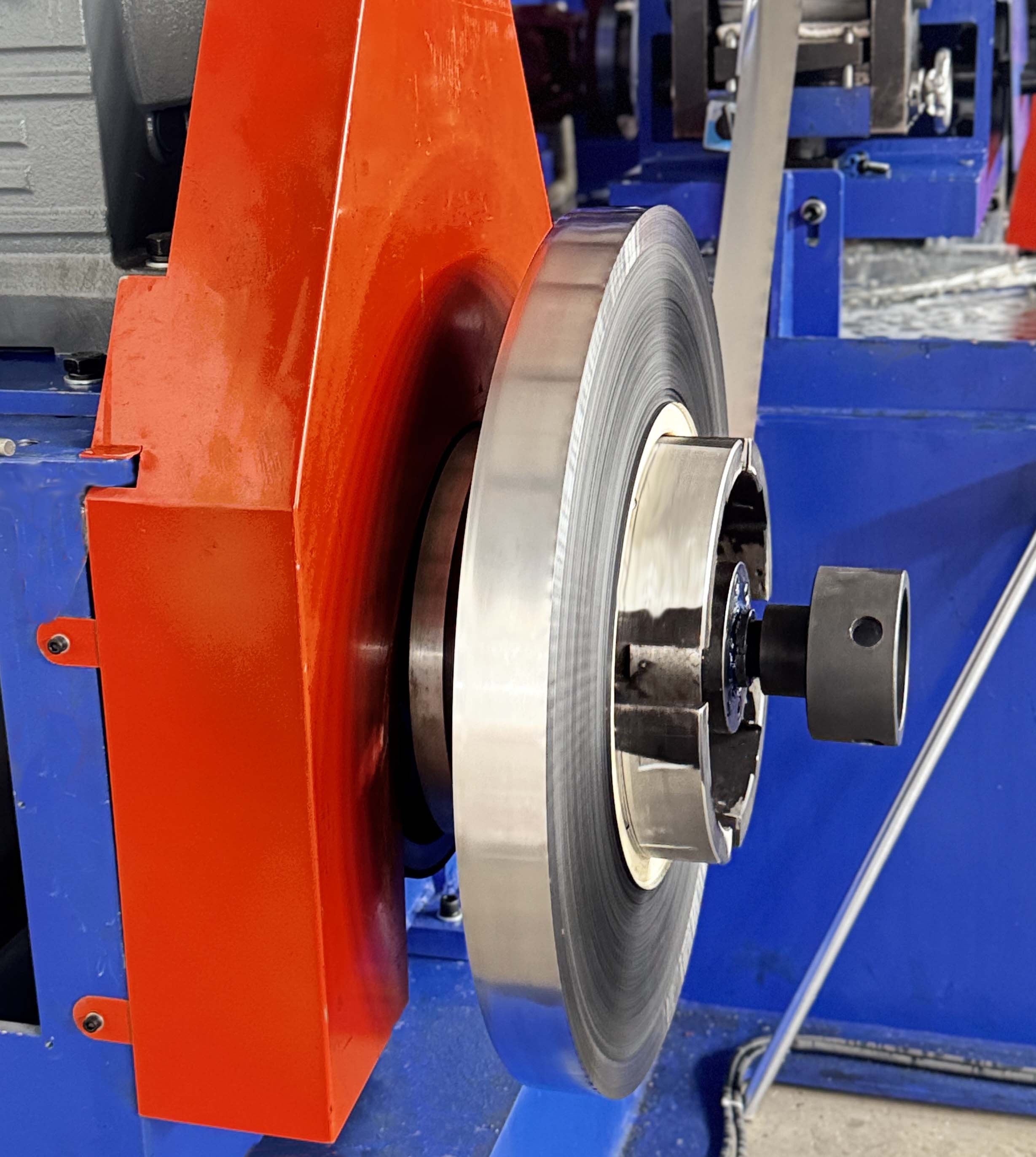
In today's competitive industrial landscape, time and resource management are crucial for success. Advanced mill technologies aren't just about speeding up production; they're about redefining the entire workflow. By integrating automation and intelligent controls, these systems drastically reduce downtime, curtail material waste, and elevate product uniformity, leading to substantial cost savings and increased output.
What sets contemporary milling innovations apart is their ability to adapt. Unlike older models, which often required manual adjustments or had fixed parameters, modern machines incorporate data analytics and machine learning. This means they can continuously refine operations based on real-time feedback, automatically compensating for variables like material hardness or tool wear. The result? A more resilient production line that maintains peak performance with minimal human intervention.
Moreover, these advancements foster a safer and more sustainable working environment. Energy-efficient components and closed-loop cooling systems lower electricity consumption, while smart sensors prevent accidents by alerting operators to potential issues before they escalate. It's a holistic upgrade that not only boosts efficiency but also enhances workplace well-being and reduces environmental impact, making it a strategic investment for forward-thinking companies.
Custom Solutions for Specific Industrial Needs
In today's diverse industrial landscape, one-size-fits-all approaches often fall short when dealing with the unique challenges faced by different sectors. Custom solutions are designed to address these specific needs, whether it's optimizing production lines in manufacturing, enhancing safety protocols in hazardous environments, or improving energy efficiency in heavy industries. These tailored services dive deep into the operational pain points of each client, crafting strategies that not only solve immediate issues but also pave the way for long-term growth and innovation. By focusing on bespoke methodologies, companies can ensure that every aspect of their operations aligns perfectly with their goals, leading to more sustainable and competitive outcomes.
What sets custom solutions apart is their ability to integrate seamlessly with existing systems, rather than forcing a complete overhaul. For instance, in the automotive industry, this might involve developing specialized software that interfaces with legacy equipment to boost automation without disrupting workflows. In agriculture, it could mean creating sensor-based monitoring tools that adapt to various crop types and soil conditions, providing farmers with precise data for better decision-making. Such adaptability ensures that industrial needs are met with precision, reducing downtime and increasing overall productivity while fostering a culture of continuous improvement.
Beyond mere technical adjustments, custom solutions often involve a collaborative partnership where experts work closely with stakeholders to understand the nuances of their operations. This hands-on approach leads to innovations that are not only effective but also scalable, allowing businesses to evolve as market demands shift. For example, in the pharmaceutical sector, tailored supply chain solutions can help navigate stringent regulations while maintaining efficiency, or in construction, modular designs can be customized for different project scales and environmental conditions. Ultimately, by prioritizing specificity and flexibility, these solutions empower industries to thrive in an ever-changing world, turning unique challenges into competitive advantages.
Innovations Driving Productivity in Metal Processing
In the metal processing industry, a wave of transformative innovations is redefining how manufacturers achieve higher productivity. Advanced automation systems, for instance, now integrate seamlessly with robotic arms and AI-driven sensors to streamline tasks like welding and cutting, significantly reducing cycle times and human error. By leveraging real-time data analytics, companies can monitor equipment performance and predict maintenance needs, ensuring continuous operation without unexpected downtimes. This holistic approach not only boosts output but also enhances precision, allowing for the production of complex components with greater efficiency.
Beyond automation, the adoption of additive manufacturing, or 3D printing, has opened new frontiers in metal processing. Techniques such as selective laser melting enable the creation of intricate parts layer by layer, minimizing material waste and enabling rapid prototyping. This innovation supports custom designs and on-demand production, which reduces lead times and inventory costs. Coupled with advancements in metal powders and alloys, it paves the way for lighter, stronger components tailored to specific applications, driving productivity by accelerating the entire production cycle from design to final product.
Furthermore, sustainable practices are emerging as a key driver of productivity through innovations like energy-efficient furnaces and closed-loop recycling systems. These technologies reduce energy consumption and waste, cutting operational costs while aligning with environmental goals. For example, water-jet cutting methods that use high-pressure water eliminate thermal distortion, preserving material integrity and speeding up processes. By embracing such eco-friendly solutions, metal processors can not only improve their bottom line but also gain a competitive edge in a market increasingly focused on sustainability and resource optimization.
Tailored Designs for Enhanced Material Quality
When it comes to improving material quality, one-size-fits-all approaches often fall short, leaving gaps in performance or durability. Tailored designs, on the other hand, focus on customizing materials to meet specific needs, whether it's enhancing tensile strength in aerospace alloys or increasing corrosion resistance in marine applications. By analyzing factors like environmental conditions, stress loads, and desired longevity, engineers can craft solutions that not only meet but exceed expectations, ensuring materials perform optimally under real-world pressures.
This customization isn't just about tweaking existing formulas; it involves innovative techniques such as microstructural adjustments and advanced manufacturing processes. For instance, in high-performance polymers, tailored designs might incorporate specialized additives to reduce wear and tear, while in metals, precise heat treatments can refine grain boundaries for better toughness. The result is a material that's finely tuned to its intended use, offering significant improvements in quality without unnecessary bulk or cost, making it a smart choice for industries where reliability is paramount.
Moreover, the ripple effects of enhanced material quality extend far beyond immediate performance gains. By investing in tailored designs, companies can boost sustainability through longer-lasting products that require fewer replacements, and enhance safety by reducing failure risks in critical applications. It's a proactive approach that blends creativity with scientific rigor, setting new benchmarks in material science and empowering innovations across sectors from electronics to construction.
Streamlining Operations for Cost-Effective Production
In today's competitive manufacturing landscape, streamlining operations is essential for achieving cost-effective production. Many businesses face challenges in managing complex workflows and supply chains, which can lead to inefficiencies and increased expenses. By adopting integrated approaches that simplify processes, companies can reduce waste and improve resource utilization. This often involves analyzing current practices to identify bottlenecks and implementing targeted improvements. For instance, lean manufacturing principles focus on eliminating non-value-added activities, allowing teams to produce goods more efficiently while maintaining quality standards.
One effective strategy involves leveraging technology to automate repetitive tasks and enhance coordination across departments. Advanced systems, such as enterprise resource planning (ERP) software, provide real-time data insights that help managers make informed decisions. This reduces manual errors and accelerates production cycles, leading to significant cost savings. Additionally, fostering collaboration between teams ensures that everyone works towards common goals, minimizing delays and optimizing output. By continuously monitoring performance metrics, organizations can adapt quickly to market changes and maintain a competitive edge.
Ultimately, streamlining operations not only cuts costs but also boosts overall productivity and sustainability. When processes are refined, resources are used more efficiently, and environmental impact decreases. This balance between economic and ecological benefits appeals to modern consumers and stakeholders. Companies that prioritize operational efficiency often see improvements in customer satisfaction, as timely deliveries and consistent quality become standard. Embracing this approach requires a commitment to ongoing evaluation and innovation, ensuring that production methods evolve to meet future demands without compromising affordability.
FAQ
Custom strip rolling mills are tailored to specific production needs, offering enhanced precision in thickness and width control, which boosts efficiency by reducing material waste and downtime associated with adjustments.
By integrating advanced automation and real-time monitoring systems, they streamline operations, minimize human error, and allow for faster processing speeds, leading to higher throughput and cost savings.
Industries such as automotive, aerospace, and electronics gain from these mills, as they enable the production of high-quality, precisely shaped metal strips crucial for components like car bodies, aircraft parts, and circuitry.
Critical features include roll design for specific materials, cooling systems to prevent overheating, and software integration for data analytics, ensuring long-term reliability and adaptability to changing production demands.
Enhanced precision ensures consistent strip dimensions and surface finishes, reducing defects and improving the mechanical properties of the final products, which is vital for applications requiring strict tolerance levels.
Regular maintenance involves checking alignment, lubricating moving parts, and updating software, but custom mills often need less frequent overhauls due to optimized designs that reduce wear and tear.
While initial costs may be higher, custom mills offer long-term savings through increased efficiency, reduced scrap rates, and lower energy consumption, making them cost-effective for high-volume or specialized production.
Conclusion
Custom strip rolling mills represent a significant advancement in metal processing, focusing on precision engineering to meet exact industrial specifications. Tailored designs ensure enhanced material quality by addressing specific production challenges, such as maintaining consistent thickness and reducing surface defects. These mills incorporate advanced technologies that boost efficiency, allowing for faster processing speeds and reduced downtime. Innovations in automation and control systems further drive productivity, making operations more streamlined and cost-effective. By integrating custom solutions for specific needs, manufacturers can achieve superior outcomes in both precision and material integrity.
Beyond technical enhancements, custom strip rolling mills offer operational benefits that contribute to overall efficiency. Streamlining operations through optimized workflows and reduced waste leads to more cost-effective production. Advanced mill technologies, such as real-time monitoring and adaptive control mechanisms, enable continuous improvement in process stability. Tailored designs not only enhance material quality but also adapt to varying industrial demands, ensuring versatility across applications. By focusing on precision and efficiency, these mills provide a competitive edge, fostering innovation and sustainable growth in metal processing industries.
Contact Us
Contact Person: Rayna
Email: [email protected]
Tel/WhatsApp: 86 -173 1474 6343
Website: https://www.grmrollingmill.com/