
Dongba Culture Discovery: Yushui Village near Jade Dragon Snow Mountain
2026-07-19
Tucked beneath the towering Jade Dragon Snow Mountain, a centuries-old Dongba culture still whispers through stone alleys and sacred pools. Jade Water Village isn’t a museum piece—it’s a living Naxi ritual waiting to be felt, not just seen.
Whispers of the Ancient Dongba Script
Tucked away in the foothills of the Himalayas, the Naxi people have safeguarded a unique writing system for over a thousand years—the Dongba script. Unlike many scripts that evolved into abstract symbols, Dongba remains stubbornly pictographic, with each character a tiny drawing of the world it describes. A sun is a circle with rays, a tree is a branching figure, and a man looks like a stick figure caught mid-step. To write a story is to paint it, stroke by painstaking stroke.
These characters were never meant for everyday chatter. They were the sacred language of the Dongba priests, used to record rituals, myths, and remedies on coarse handmade paper. Chanting from the manuscripts, the priests would trace the symbols in the air, believing the words themselves held power. Even today, only a handful of aging Dongba can read them fluently—a knowledge passed down in whispers from master to apprentice, never fully codified.
To hold a Dongba manuscript is to hear those whispers. Pages mottled with age carry more than instructions for appeasing mountain gods; they carry a way of seeing—where writing is still a form of drawing, and every mark connects the earthly to the divine. As digital fonts and modern education edge in, the old script fades, but its echoes linger in the smoke of incense and the slow rhythm of a chanting voice.
Yushui’s Stone-Paved Lanes and Naxi Folk Tales
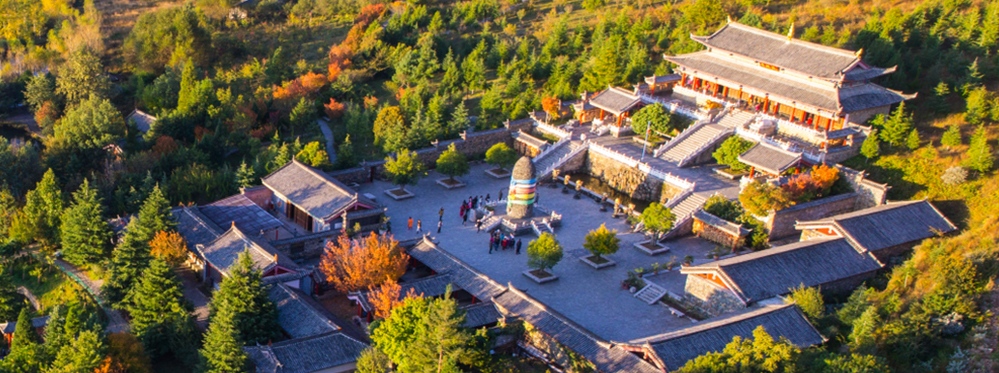
Wandering through Yushui, the stone-paved lanes unfold like a quiet, living museum beneath your feet. Each smooth, uneven slab has been worn down by centuries of footsteps—farmers carrying baskets, donkeys laden with goods, and storytellers making their rounds. The stones here don’t just pave a path; they hold the rhythm of a village that still breathes to the beat of ancient Naxi life. As you turn a corner, it’s easy to imagine a wizened elder pausing to share a tale about the mountain spirits, his voice mingling with the distant ring of a blacksmith’s hammer.
Linger long enough, and you'll hear the folk tales that seem to seep from the very walls. There’s the story of the Moon Goddess who wept silver tears that became the river that runs past the village, and the mischievous Dongba spirit who once hid the sun in a cave, leaving the villagers to stumble around these very lanes in a week-long twilight. These aren’t just bedtime stories for children; they’re a way of seeing the world, where every rock, tree, and gust of wind has a voice. Sit at a doorstep in the late afternoon, and a local might point to a crack in a wall and tell you it’s the scar from when Thunder Dragon flicked his tail—and for a moment, you’ll believe it.
What makes these lanes so captivating isn’t just their age, but the sense that they’re still being written into the present. Small courtyards spill over with flowers, and from an open window, you might catch a line of a folk song that hasn’t been recorded in any book. The Naxi culture doesn’t just survive here—it stretches and yawns in the sunlight, timeless and utterly alive. Walk slowly, and let the stones guide you. Each step is a verse, and by the end, you’ve walked through a living epic that no museum could ever contain.
Jade Dragon Snow Mountain: A Sacred Backdrop
Rising like a jagged silver blade against the sky, Jade Dragon Snow Mountain has long been more than just a geological wonder. For the Naxi people, it is a living deity—a protective spirit whose moods shift with the weather, guarding the ancient town of Lijiang below.
Its thirteen peaks, often veiled in mist, form a dramatic backdrop that turns every photograph into a postcard. But beyond its visual appeal, the mountain is woven into the local folklore as the embodiment of the hero Sanduo, ensuring that each glimpse carries a weight of centuries-old reverence.
A Morning with the Dongba Shaman
Dawn had barely touched the village when I found him seated on a goatskin rug, his back straight as a pine. The fire in the hearth crackled softly, and the air was thick with the scent of burning juniper. His chanting began low, a rhythmic murmur that rose and fell like the nearby stream, calling to the spirits of mountain and sky. Each syllable felt ancient, untranslatable in its raw vibration, as if the words themselves were made of earth and wind.
He gestured me closer, dipping a thin brush into a bowl of ink mixed from pine soot and water. With careful strokes, he painted pictographs on coarse paper—symbols of a script that predates empire, each one a story. "This one," he said, pointing to a sun cradled by a hand, "is not just daybreak. It is the moment light returns to the world after darkness." His hands moved with the patience of centuries, and I realized that every mark was a conversation with his ancestors, a thread in a tapestry of belief that no museum could ever fully capture.
Later, we walked up the rocky path behind his house, past terraced fields where barley shivered in the breeze. He stopped at a gnarled oak and placed a small offering of rice at its roots, murmuring a blessing for the harvest. A crow cawed overhead, and he smiled. "The messenger," he said simply. In that quiet morning, surrounded by the hum of insects and the distant bleat of goats, I understood that the sacred wasn't confined to grand temples. It lived in every breath, every step, every whispered word between a man and the unseen world he served.
Tasting the Mountain’s Gifts: Yak Butter Tea and Baba Bread
Perched on a wooden stool in a stone-walled kitchen, I watched as hands worn by altitude whisked brick tea and yak butter into a creamy, salty brew. The tea, churned in a wooden cylinder until it frothed, carried the warmth of the hearth and the resilience of life above the treeline. It was more than a drink—it was a handshake with the mountains.
Then came the baba bread, round and dense, its crust blistered from the clay oven. Torn apart with fingers, it revealed a soft, yeasty center, perfect for soaking up the last drops of butter tea. Together, they spoke of a place where hospitality is measured in shared warmth, not words.
Preserving a Living Culture in the Foothills
In the quiet foothills where ancient trails wind through oak groves, a community holds tight to traditions that have shaped their identity for generations. Storytellers still gather under the evening sky, passing down legends in the same cadence their ancestors used, while local artisans weave baskets from native grasses just as their grandmothers taught them. This isn’t a museum piece—it’s a breathing, evolving culture that adapts without losing its soul.
The landscape itself plays a partner in preservation. Seasonal harvests of wild herbs and roots follow lunar calendars, and the annual migration of birds marks the time for festivals that reinforce communal bonds. Young people learn the old songs not through formal classes but by singing alongside elders during these celebrations, absorbing nuances that no textbook could capture. The foothills, with their hidden springs and shaded hollows, become classrooms without walls.
Yet this living culture faces pressure from the sprawl creeping up the valleys. In response, a grassroots movement has emerged—not to seal the culture in a jar, but to weave it into modern life. Workshops where elders teach traditional ecological knowledge to local farmers, youth-led media projects that record oral histories, and markets that sell crafts directly to visitors all serve as bridges. Here, preservation means letting the culture breathe, change, and remain deeply rooted in the soil that gave it life.
FAQ
You're greeted by stone-paved lanes flanked by old Naxi houses with upturned eaves, and the air carries a faint scent of pine from the nearby mountain. Villagers often pause to nod or smile, making you feel less like a tourist and more like a guest who's arrived at a living museum.
Elders carve symbols onto wooden tablets and doorposts, while kids practice them after school with brushes dipped in homemade ink. You'll spot the pictographs on shop signs, woven into textiles, and even scratched into the soil in courtyard gardens.
Yes, several families open their homes for hands-on workshops—you might spend a morning making mulberry paper, then watch a shaman chant beside a fire altar in the afternoon. It's informal and arranged by word of mouth, so ask around when you arrive.
The mountain is seen as a deity protecting the Naxi people, and many Dongba chants describe it as the source of life and healing. Herbs gathered from its slopes are used in rituals, and some cave paintings on the lower cliffs are only accessible with local guides who know the oral histories.
One tale says a Dongba priest dreamed of a white crane landing near a spring at the mountain's foot. When he followed the vision, he found the site where Yushui now stands, blessed with clear water and fertile earth. The village still celebrates the crane's arrival each spring.
Try the stone-baked bread infused with wild thyme and served with yak butter tea. The recipe is said to come from herders who traded salt at the mountain passes, and the thyme is foraged from the same meadows where Dongba healers collect medicinal plants.
After sunset, the mountain looms under a star-filled sky and the sound of a cowbell might drift up from a stable. Families gather around charcoal braziers to share fermented rice wine and recount legends—these quiet hours show how deeply the Dongba way is woven into everyday existence.
Conclusion
Nestled in the foothills of Jade Dragon Snow Mountain, Yushui Village feels like a living manuscript of the Naxi people. The mountain looms overhead, sacred and silent, as if guarding the village’s secrets. Wandering the stone-paved lanes, you’ll notice ethereal characters etched into walls and stones—the Dongba script, a pictographic writing system that monks still use to record rituals and legends. Each symbol whispers a story, from the creation myth of the Naxi to the adventures of folk heroes. Local elders, sitting outside their wooden houses, might share tales of the mountain goddess or the origin of the valley, their voices blending with the wind that rustles through the ancient trees.
A morning visit to a Dongba shaman offers a rare glimpse into this spiritual world. In a courtyard filled with the scent of juniper incense, the shaman chants rhythmic invocations while inscribing symbols on paper. The ceremony is intimate, not staged, revealing how Dongba culture remains a lived faith. Afterwards, you can warm your hands on a bowl of yak butter tea and tear into soft baba bread, both made with ingredients sourced from the high pastures. These simple flavors anchor you to the land, just as the villagers’ efforts to keep their traditions alive anchor them to their identity. Here, culture isn’t preserved behind glass—it breathes in every smoky kitchen and painted stone.
Contact Us
Contact Person: Changhong He
Email: [email protected]
Tel/WhatsApp: 086-0888-5190152
Website: https://vip.e-baixing.com/ysh