

Flower Materials to Recommend for Stunning DIY Bouquets
2026-10-14
Ever gathered a handful of stems only to realize they clash or wilt by morning? The difference between a forgettable bunch and a head-turning DIY bouquet often comes down to one thing: the flower materials you choose. From focal blooms to textural foliage, each stem has a role to play. That’s why PHLEEYA curates fresh, long-lasting varieties that make arranging feel effortless. In this guide, I’ll walk you through the must-have flower materials that will elevate your next bouquet from basic to breathtaking.
The Statement Flower That Anchors Every Great Bouquet
Every memorable arrangement has a focal point—a bloom that draws the eye first and gives the whole composition its sense of purpose. That role often falls to a statement flower, one whose size, shape, or color refuses to be ignored. It might be a ruffled garden rose with layers that catch the light, a sculptural protea with its almost prehistoric silhouette, or a cluster of oversized peonies that seem to spill over the edge of the vase. Without such a bloom, even the most carefully arranged bouquet can feel scattered, as if every stem is competing for attention instead of working together.
Choosing the right anchor flower changes the entire rhythm of the arrangement. A single dramatic stem can steady a wild mix of textures, giving the eye a place to rest before it wanders through the supporting foliage and filler. This isn't about simply picking the biggest bloom in the shop; it's about understanding how scale, color saturation, and form interact. A deep burgundy dahlia can ground a palette of soft pastels, while a bright orange ranunculus might energize a neutral bunch of grasses and seed heads. The statement flower sets the mood, and everything else falls into line behind it.
The best florists know that an anchor is not about dominance for its own sake. It's a quiet act of direction—letting one flower speak clearly so the others can be heard as a chorus. When you look at a great bouquet, you rarely notice the mechanics of this balance. You simply feel that the arrangement makes sense, that it has a center of gravity. That is the quiet power of the statement flower: it holds the piece together without ever having to raise its voice.
Why Feathery Fillers Beat Bulky Blooms
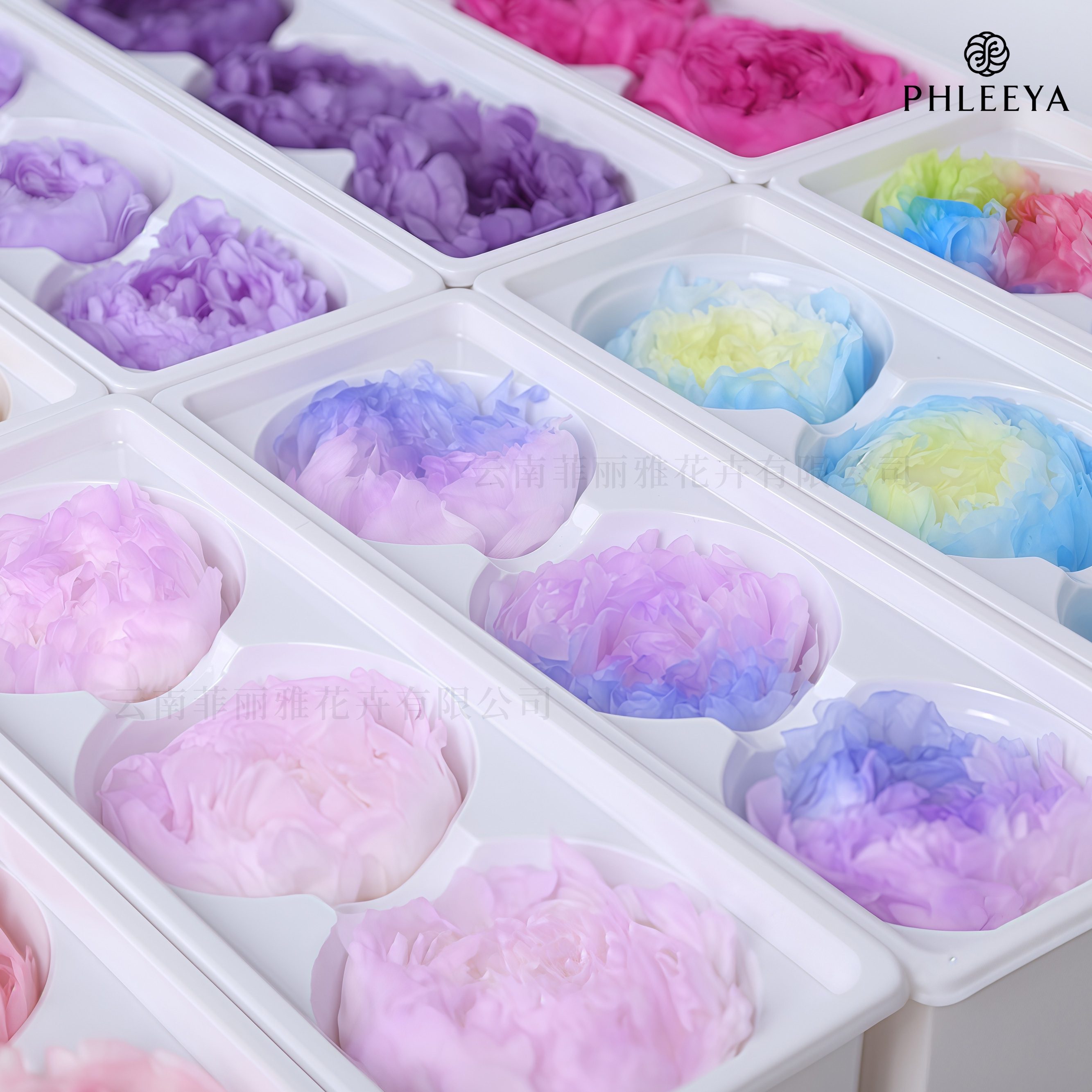
Feathery fillers bring a sense of movement and airiness that bulky blooms simply cannot match. Their fine, wispy stems create soft clouds of texture around focal flowers, allowing each petal and leaf to breathe. A stem of asparagus fern or a few sprigs of baby's breath can make a bouquet feel light and spontaneous, while heavy-headed roses or peonies often crowd the eye and weigh down the arrangement. This visual lightness is especially valuable in small spaces, where oversized flowers can feel oppressive rather than inviting.
Beyond aesthetics, feathery fillers offer practical advantages. They are generally more affordable than large statement blooms, letting you stretch a floral budget without sacrificing impact. Their slender stems bend easily, making them forgiving to arrange in narrow-necked vases or unusual containers. You can snip a single piece to tuck behind a table setting, weave several into a wreath, or let them trail over the edge of a shelf—bulky flowers rarely offer that kind of versatility. A bunch of waxflower or sea lavender, for instance, lasts longer out of water than a thick hydrangea head and dries beautifully for months of use.
There is also a subtle charm in how feathery fillers change with the light. They catch the breeze and shift gently, adding life to a room without demanding attention. By contrast, bulky blooms often sit heavy and static, their visual weight dominating the entire arrangement. When you want a floral touch that feels effortless rather than formal, the airy character of fillers becomes the real hero—proof that sometimes less mass means more grace.
The Unexpected Texture of Berries and Seed Pods
Run a fingertip over a raspberry and the first thing you notice is the strange architecture of it—dozens of tiny drupelets, each one a miniature globe with its own thin skin and the faintest give under pressure. It feels less like fruit and more like a cluster of glass beads strung too tightly together, ready to collapse into juice at the wrong touch.
Seed pods rarely behave the way they look. A poppy pod, dry and brittle as old paper, rattles when shaken but resists a casual squeeze. Its surface is faintly ridged, like a fingerprint blown up to a larger scale. Run a nail along it and you get a dry whisper, not a scrape—nothing about it suggests the hundreds of black specks waiting inside.
Even within a single handful of berries, texture shifts without warning. Blueberries can be taut and slick one moment, then dimpled and slightly tacky the next, their bloom rubbing off to reveal a darker, grippier skin beneath. That unpredictability is what makes them feel gathered rather than manufactured—each one carries a small record of weather, stem, and ripeness you can read with your fingers before you ever taste it.
Go Wild With Your Greenery
Let the monstera spill over the shelf, let the pothos trail past the window frame. Wild greenery isn't about perfection; it's about letting each leaf find its own direction. Mix feathery ferns with chunky rubber plants, pile trailing vines on a high ledge, and don't trim every brown edge. The result feels less like a showroom and more like a corner of a forest that decided to move in.
Start with one oversized plant you'd normally think twice about—a tall fiddle-leaf fig or a sprawling philodendron—and give it room to be unapologetically large. Then layer in odd numbers: three pots of different heights on the floor, two cascading plants on the bookshelf, a cluster of tiny succulents packed into a chipped terracotta bowl. The goal is controlled chaos, where every sightline has something green pushing into it.
Don't worry about matching pots or symmetrical arrangements. A wild green corner thrives on contrast: glossy leaves next to fuzzy ones, deep burgundy undersides against lime-green new growth. Move plants away from the walls, let them take over the coffee table, and hang a few from the ceiling so they sway when you walk past. That slight overgrowth is exactly what makes a room feel alive.
A Color Palette Trick That Never Fails
Stop shuffling through swatches hoping for a miracle. The trick is simpler than you think: pick one color you genuinely love, then build the entire palette around its temperature. If that color leans warm, pair it with neighbors that share the same warmth—terracotta, cream, soft olive. If it runs cool, settle into slate, fog, and faded denim. This single decision removes ninety percent of the guesswork, because your eye already knows what feels right next to that first color.
The real magic happens when you let one shade do the heavy lifting and treat the rest as supporting voices. A saturated accent against three quiet neutrals creates a rhythm that feels intentional, never random. Forget chasing trends or trying to balance equal visual weight. Let the palette have a clear leader, and suddenly every room, every layout, every layout falls into place without forcing it.
And if you ever feel stuck, go back to that original loved color and ask one question: what would naturally sit beside it in the world? Sand next to stone, leaf next to bark, sunlight next to shadow. Nature has been building perfect palettes for millennia. Steal from it shamelessly, and your choices will never look like they came from a template.
The Fragrant Stems That Make You Lean In
There is a quiet pull in the way certain stems release their scent only when you draw near. The fragrance isn't loud or sugary; it's a green, slightly peppery breath that hangs just above the leaves, asking you to bend a little closer.
Some stems carry their perfume in the tiny glands along the stalk, not in the flowers. Run a thumb down the length of a rosemary sprig or crush a lavender stem between your fingers and the oils surface slowly, like a secret being told. That's what makes you lean in again and again—the scent is never quite finished, never fully spent.
Whether cut fresh and set in a glass by the window or brushed against while walking through a garden, these fragrant stems turn an ordinary moment into a small ritual. They don't demand attention; they simply make closeness feel worth it.
FAQ
Wax flower, statice, and baby's breath hold up remarkably well even after other blooms start drooping. Eucalyptus pods and bunny tail grass also keep their shape for weeks and can be dried afterwards.
Play with depth by placing taller stems like snapdragons toward the back and shorter ones like button mums up front. A few sprigs of leatherleaf fern or seeded eucalyptus add structure, and a simple spiral wrap with twine hides any uneven stems.
Chrysanthemums, carnations, and alstroemeria are the quiet workhorses of long-lasting bouquets. Avoid tulips and daffodils, which fade fast and can even shorten the life of other flowers in the same vase.
Dried oats, feathers, berry branches like hypericum, and even small succulents on stems can create a look you won't find in a grocery store bouquet. Cotton bolls and pampas grass add a soft, almost sculptural feel without needing water changes.
Think of one dominant neutral like cream or sage green, then a single saturated accent such as terracotta or deep plum. A bouquet of all blush pinks can feel generic, but adding bronze amaranth or dark purple scabiosa instantly shifts it toward something more current.
In spring, lean on tulips, ranunculus, and lilac; summer brings sunflowers, zinnias, and cosmos; autumn suits chrysanthemums, dahlias, and ornamental grasses; winter calls for hellebores, pine branches, and dried seed heads.
A single large-headed flower like a gerbera daisy, sunflower, or dahlia can carry the whole arrangement. Pair two or three of them with plenty of greenery and you get a bold look for the price of a few stems.
Yes, but keep the dried elements toward the outer edges so they don't get crushed by fresh stems. Dried grasses and bleached ruscus give a soft, airy texture that contrasts nicely with juicy blooms like roses or peonies.
Conclusion
When you're pulling together a bouquet from scratch, the right mix of materials makes all the difference. Start with a single bloom that can carry the whole arrangement—something like a garden rose, a ranunculus, or a dahlia with enough presence to anchor the design. Instead of defaulting to heavy filler flowers, reach for feathery options such as astilbe, baby's breath, or ammi. They add air and movement without crowding the main stems. Then throw in something unexpected: a few stems of hypericum berries, eucalyptus pods, or even dried seed heads. That slight roughness keeps the bouquet from looking too polished and gives it a just-gathered feel.
Don't forget the greenery. Go beyond the usual leatherleaf and try foraged branches, trailing ivy, or wild carrot stems—anything that looks like it was cut from the side of a path. For color, pick one anchor hue and repeat it in different materials: a pale peach rose, a peach ranunculus, and a peach-toned dahlia, then contrast with a tiny pop of deep plum or rust. The repetition trick never feels forced. Finally, tuck in a few fragrant stems—stock, tuberose, or scented geranium leaves—so the bouquet invites people to lean closer. With this combination, you end up with something that feels personal, textured, and far more interesting than a standard florist wrap.
Contact Us
Contact Person: Mr. Luo
Email: [email protected]
Tel/WhatsApp: 86 18100895505
Website: https://www.feiliyaflowers.com/en/