

Heavy Duty Moving Pads Distributor: Your Guide to Finding Durable Protection for Every Move
2026-10-24
Every mover knows the sinking feeling of watching a sharp edge bite into a dresser mid-transit. That’s why the right heavy duty moving pads distributor is a decision to make before the first box is loaded—not after the damage is done. Whether you run a small local crew or a growing fleet, Top Packaging cuts through the spec-sheet noise so you can match pad weight, stitching, and fabric to the jobs you actually take.
What Actually Makes a Moving Pad Heavy-Duty
Move beyond the label and you'll find that density does most of the work. A heavy-duty pad isn't simply thicker—it's packed with layered cotton or mixed fiber felt that resists flattening under a refrigerator or a loaded hand truck. The weight per pad is a quick tell: anything under 3 pounds often struggles to absorb sharp impacts, while pads in the 5- to 8-pound range hold their cushioning through multiple flights of stairs.
Fabric choice separates a true workhorse from a disposable blanket. Woven polypropylene or tight-weave polyester on the outer shell sheds grime and moisture instead of soaking it up, so a wet driveway or dusty garage doesn't turn the pad into a soggy, gritty mess. Inside, multi-layer batting stitched in a diamond or channel pattern keeps the fill from shifting, which prevents thin spots exactly where furniture edges bite hardest.
Details like double-stitched hems and reinforced corner binding rarely get attention until a seam splits mid-job. On heavy-duty models, the edges are folded and bound with heavy nylon or canvas, and stress points carry extra rows of stitching. That's what allows a pad to survive being dragged across concrete, wrapped around awkward angles, and reused for years rather than a single move.
Reading the Layers: Fabric, Filler, and Binding Choices
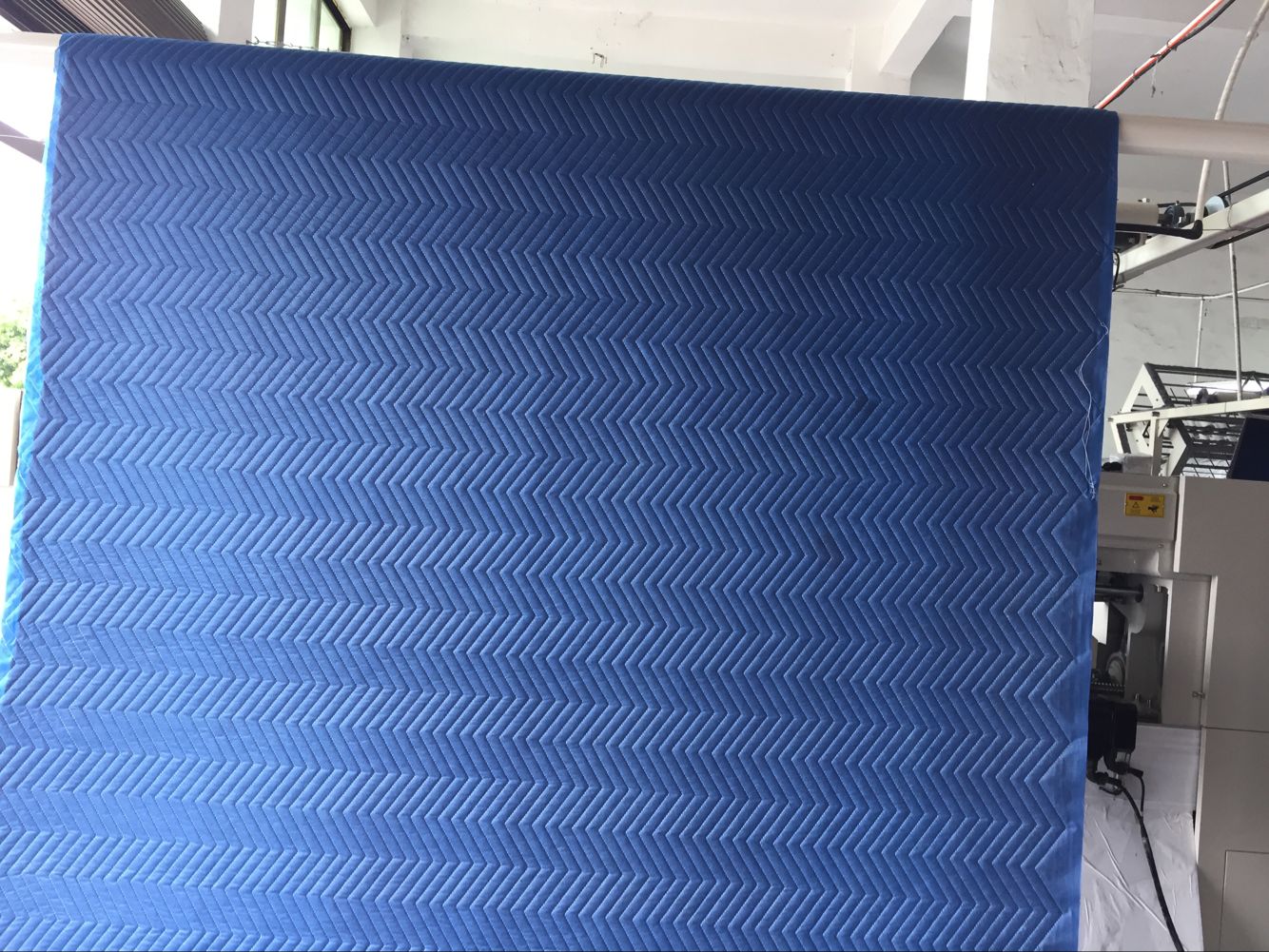
Every quilt tells a story long before the first stitch secures the layers. The fabric you choose dictates breathability, drape, and how light plays across the surface—cotton offers crispness, linen lends a slubby texture, and brushed flannel invites touch. Dig deeper and the filler, or batting, shapes the quilt's soul: cotton batting gives a flat, vintage drape ideal for wall hangings, while wool adds loft and warmth without weight, and polyester resists creasing for high-use bed quilts. These decisions aren't merely practical; they set the emotional temperature of the finished piece.
Binding is the unsung hero that frames your work, yet it's often an afterthought. A bias-cut binding wraps curves smoothly, while straight-grain binding keeps edges crisp on geometric designs. Try folding the binding wider than standard for a modern, chunky frame, or use a contrasting print to create a deliberate outline that pulls the eye inward. The stitch you choose—ladder stitch for invisibility, big-stitch quilting for folk-art charm—adds another layer of intention.
What makes these choices compelling is how they interact. A dense cotton batting under a loosely woven linen top will pucker beautifully after washing, creating a rumpled, heirloom feel; pair that with a hand-stitched binding in a muted solid and the quilt whispers rather than shouts. Conversely, a high-loft polyester fill under smooth quilting cotton with a machine-finished bias binding yields a crisp, contemporary piece that holds its shape. Reading the layers means testing swatches, crumpling fabrics in your hand, and imagining how they'll age together—because the best quilts aren't just made, they're composed.
Matching Pad Weight to the Furniture You Move
The weight of a moving pad matters more than most people expect. A heavy, dense pad gives you serious cushioning for big dressers, appliances, or anything with sharp corners that could tear through thinner fabric. But it also becomes cumbersome when you're wrapping oddly shaped chairs or squeezing pads between tight spaces. Lighter pads fold easier, stay put with less effort, and let you feel the furniture's edges through the material, which helps when you need to grip a narrow leg or a fragile frame without adding bulk.
For solid wood armoires, metal filing cabinets, or large kitchen tables, reach for heavyweight pads that can absorb bumps from doorways and stair rails. These pieces have enough mass that a flimsy pad will shift or slide off mid-carry. On the other hand, medium-weight pads work well for nightstands, small bookshelves, and upholstered chairs that don't need heavy armor but still benefit from scratch protection. Reserve the lightest pads for picture frames, lamps, and decorative items where you want soft layering without hiding the item's shape or making it awkward to hold.
A quick test is to hold the pad up by one corner and see how much it droops. If it feels stiff and heavy, use it under large, flat surfaces. If it drapes easily, save it for wrapping and tucking around irregular profiles. Matching pad weight to the job also reduces fatigue during a long move, since you're not wrestling an oversized blanket onto a small stool or double-stacking pads because the first one was too thin to stop a corner from poking through.
Why Distributor Stock Levels Change Your Buying Options
When a distributor runs low on stock, your usual buying plan often falls apart. Say you've been ordering a specific industrial sensor for months, but suddenly the distributor only has a handful left or none at all. You're forced to consider a different variant from the same series or even switch to another manufacturer. That kind of forced substitution can trigger extra compatibility testing or leave you with specs that aren't quite what you wanted. Worse, if the alternative also has a long lead time, your whole project schedule starts slipping.
On the flip side, when a distributor is overstocked, the dynamic shifts in your favor. They may proactively reach out with volume discounts or extended payment terms because sitting inventory ties up cash and warehouse space. That gives you room to renegotiate contracts or lock in supply for the next few quarters at a better rate. But high stock can also be a warning sign — maybe demand is dropping or a new model is about to launch, so you need to decide whether you're getting a deal or taking on dead inventory.
Savvy buyers watch these stock fluctuations closely and adjust their purchasing rhythm accordingly. Instead of reacting to shortages, they track historical inventory data from distributors to spot seasonal patterns. For example, certain electronic components become scarce every third quarter when consumer electronics production ramps up, so placing orders in the second quarter avoids price spikes. Some companies even set up consignment stock agreements, where the distributor holds a safety buffer and the buyer pays only as they pull parts. This kind of proactive approach prevents the costly last-minute scrambling that comes with unexpected stock shifts.
Covering Tight Corners and Fragile Surfaces Without the Bulk
Getting a clean line around a curved baseboard or a delicate wallpaper edge usually means fighting with tape that is either too stiff to follow the corner or so thick it lifts the very surface you are trying to protect. The usual workaround is to layer narrow strips and hope for the best, but that creates ridges and gaps. A much thinner, more flexible tape changes the equation. It hugs tight radiuses without springing back, and because it adds almost no height, you can run a knife or scraper along the edge without catching.
On fragile surfaces, bulk is the enemy. Heavy adhesive and thick backing can peel away chalky paint, tear wallpaper fibers, or leave a visible step when you apply finish over it. A low-profile tape sits flatter, so paint and sealant do not build up at the tape line. It also removes more predictably, with less tension concentrated at the edge. For tricky spots like window mullions, carved trim, or newly skimmed plaster, this means you can mask once and move on instead of touching up the damage afterward.
Care Habits That Keep Pads Reliable for Years
The quickest way to shorten a pad's life is to let sweat, spills, or body oils sit in the fibers. After each use, give it a fast rinse under cool water or blot the surface with a damp cloth. If you can't wash it right away, hang it somewhere airy instead of tossing it into a gym bag or laundry pile.
When it's time for a deeper clean, stick with a mild detergent and skip the bleach, fabric softener, and dryer sheets. These additives coat the fibers and clog the tiny gaps that let the pad breathe and absorb. A gentle cycle or hand wash works best. Air dry flat or on a line—never in direct sunlight or on a radiator, because high heat can make the padding stiff or crack the waterproof backing.
Even the best pad needs a break. Keep two or three in rotation so each one has a full day to dry and recover its loft. Store them flat or loosely rolled, not crammed under heavy gear. Once a month or so, check the seams, snaps, or straps for looseness. A quick stitch or a dab of seam sealer now beats having a pad fall apart when you need it most.
FAQ
Look closely at the outer fabric and inner batting. A heavy duty pad usually has a tightly woven polyester or canvas shell that resists tearing, plus dense cotton or recycled fiber fill between 10 and 14 ounces per square yard. The edges matter too—double-stitched or bound edges hold up far better under repeated friction from furniture legs and truck walls.
Ask for a sample first instead of relying on catalog photos. Check whether the distributor stocks multiple weights and sizes, ships from a real warehouse rather than drop-shipping, and can tell you the actual fabric weight and stitch count. A good distributor will also offer mixed-sized bundles if you handle different types of furniture.
For heavy or awkward pieces, choose pads with woven fabric rather than non-woven, since woven polyester resists punctures better. Pads in the 72 x 80 inch range cover most dressers and sideboards, while 80 x 144 inch pads work for tall armoires and pianos. Also check for sewn-in corner ties or Velcro straps—they keep pads from sliding off when you're navigating stairs.
Yes, but only if you keep moisture in mind. Foam-backed and quilted pads trap humidity against wood or upholstery, so for long-term storage choose pads with breathable cotton batting and avoid plastic liners underneath. Rotate and refold them every few months to prevent permanent creases and mildew.
A safe estimate is four to six pads per room, plus extra for large appliances, desks, and fragile items. For a three-bedroom home, that usually means 40 to 60 pads. If you're wrapping only the furniture and not boxes, err on the higher side—pads get reused less than you expect and you lose time hunting for uncovered items.
If your team handles commercial or frequent moves, heavy duty pads pay for themselves through fewer replacements and less damage claims. The thicker padding also reduces the need for plastic stretch wrap on sharp corners. For one-time small moves, a mid-weight pad may be enough, but avoid the thinnest options for anything with glass or finished wood.
Shake them out outdoors and spot-clean with mild soap and water; avoid machine washing because the batting can bunch and reduce protection. Hang them to dry completely before folding. Store flat or loosely rolled on shelves rather than piled on a damp concrete floor, and inspect stitching monthly so small tears don't spread.
Conclusion
Choosing a heavy-duty moving pad distributor comes down to more than just grabbing the thickest option on the shelf. The real workhorse pads pair a tightly woven outer fabric with a dense filler and reinforced binding, because that combination is what keeps edges from splitting when a dresser snags a door frame. You also want to think about pad weight in relation to what you actually move—oversized pads on a lightweight bookshelf can be unwieldy, while thin pads on a marble table offer almost no protection. A good distributor will help you match the pad to the job instead of pushing one generic product.
Stock levels matter more than many buyers expect. A distributor with deep inventory can supply consistent runs of the same pad, so you are not mixing mismatched weights and sizes mid-project. When you are wrapping tight corners or fragile surfaces like mirrored doors or glass tops, look for pads that stay flexible without adding too much bulk, and consider whether the distributor offers smaller or custom-cut options for odd shapes. Finally, long-term value hinges on care: machine-washable covers, snapped or hook-and-loop bindings that survive repeated use, and proper drying habits keep pads reliable for years. If a distributor can explain these details clearly and keep steady supply, you have found a partner worth working with.
Contact Us
Contact Person: Shelly
Email: [email protected]
Tel/WhatsApp: 86-577-64286522
Website: https://www.topmovingpad.com/