

High Containment Valve Solutions for Critical Process Safety
2026-08-23
Most safety discussions start with alarms and shutdown systems, but the real frontline is often a valve nobody sees. High containment designs must handle extremes that standard components simply can't survive. In this post, we examine why AVM treats every seal as a safety barrier, not just a mechanical detail—and what that mindset means for your critical processes.
How Bellows Seals Prevent Fugitive Emissions
At the heart of every bellows seal is a welded metal diaphragm that completely isolates the process fluid from the atmosphere. Unlike conventional pusher seals that rely on a dynamic elastomer O-ring sliding along the shaft, a bellows seal replaces that sliding secondary seal with a static, all-metal barrier. The bellows itself is welded to both the seal face and the gland plate, creating a single continuous piece with no moving contact points between the process side and the bearing side. This eliminates the most common leak path in rotary equipment—the shaft-to-seal interface that wears, hardens, or shrinks under temperature cycling, allowing volatile organic compounds to escape unnoticed.
The prevention of fugitive emissions also comes from how the bellows compensates for shaft movement and face wear. A formed or edge-welded bellows acts as both a spring and a flexible coupling. When the pump shaft deflects, misaligns, or expands thermally, the bellows flexes along its convolutions rather than sliding or fretting against a secondary sealing element. Because there is no dynamic O-ring to hang up or groove the shaft, the seal face stays square to the mating ring under a wider range of operating conditions. This means the microscopic vapour layer that typically escapes between rubbing faces remains confined, and any pressure spikes or vacuum conditions do not cause the seal to pop open or leak intermittently.
Bellows seals further reduce fugitive emissions by allowing the use of higher-grade face materials and tighter face loading without the risk of elastomer degradation. In many plants, the switch to a bellows design lets operators run hotter, handle lighter hydrocarbons, or tolerate slurry without increasing leak detection alarms. The welded construction also survives repeated thermal shocks that would crack or extrude a conventional O-ring. As a result, facilities using bellows seals often report fewer unplanned shutdowns tied to LDAR (leak detection and repair) non-compliance, and the seal's inherent stiffness means it can be installed in a wider variety of stuffing box configurations without compromising the static leak-tightness of the gland joint.
Double Block and Bleed: A Practical Safeguard
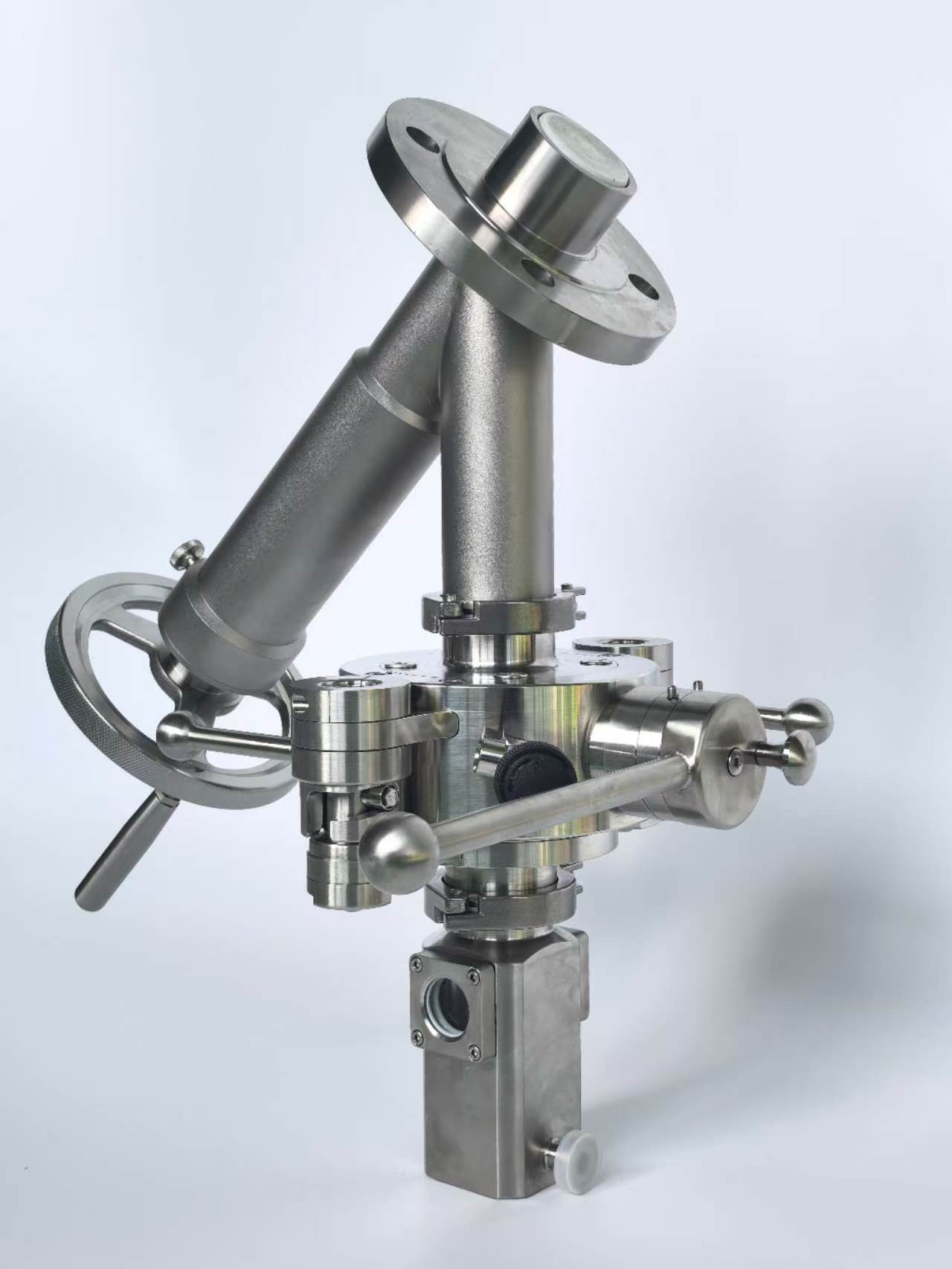
In piping systems where a leak can mean lost product, contamination, or a serious safety incident, double block and bleed isn’t an over-engineered extra. It’s a deliberate arrangement of two isolation valves with a bleed valve between them. The idea is straightforward: close both block valves, then open the bleed to vent or drain the space between them. That middle cavity gives you a physical gap that proves the isolation is working before anyone opens a flange or starts hot work.
What separates a workable DBB setup from a paper tiger often comes down to valve selection and spacing. Ball or plug valves with true double-sealing capability tend to perform better than gate valves in this role, especially if the seats can be inspected. Putting the two block valves right next to each other and calling it done ignores the reason the bleed exists. You need enough space for the bleed to actually relieve pressure and for an operator to verify the cavity pressure drops to zero—and stays there.
On the maintenance side, the weakest point is almost never the valve body but the seals and the bleed line. A blocked or corroded bleed port turns a safety device into blind isolation. Practical programs include a quick leak-off test after each use and a periodic check that the bleed isn’t plugged. If the cavity holds pressure after the bleed is opened, that’s a warning sign to stop work and re-isolate, not to crack the downstream flange a little harder.
Material Compatibility for Aggressive Process Streams
Choosing the right materials for aggressive process streams isn't about picking the strongest alloy on the shelf. It starts with understanding what the stream actually does over time: whether it corrodes under stress, cracks in the presence of chlorides, or erodes at high velocities. Operators who skip this step often end up with premature failures that no amount of maintenance can fix, because the base material was never suited for the specific chemical attack it faces daily.
A practical approach is to map out every point in the process where temperature, pressure, and concentration shift. For example, a material that handles cold sulfuric acid may fail rapidly once the temperature crosses a threshold, while a different grade might thrive. This kind of mapping forces you to think beyond generic compatibility charts and consider real operating windows, including startup and shutdown cycles that often catch teams off guard.
What separates successful installations from costly replacements is testing under simulated upset conditions. Coupons exposed to the actual stream for weeks, combined with electrochemical measurements, reveal trends that static data sheets hide. When those results feed back into material selection and welding procedures, the entire system becomes more resilient, reducing unplanned downtime and extending service life well beyond the original design assumptions.
Fail-Safe Actuation in Critical Service
Fail-safe actuation means that when power, control signal, or system integrity is lost, the actuator moves to a predefined safe position instead of remaining in an unpredictable state. In critical service applications such as emergency shutdown valves, turbine bypass systems, or fire suppression lines, this behavior is not optional; it is the last line of defense against equipment damage and personnel injury. The actuator's spring-return or stored-energy mechanism must be sized to overcome worst-case process forces, including valve breakout torque, packing friction, and any residual differential pressure acting on the closure element.
Specifying a fail-safe actuator requires more than selecting a spring with enough torque. Engineers have to account for degradation over time, ambient temperature extremes, and the possibility of partial stroke testing that may not fully reveal spring fatigue or internal corrosion. Critical service actuators often include redundant instrument air receivers, quick-exhaust valves, or dedicated hydraulic accumulators to ensure that the fail action completes within a defined time window even if the primary control medium is compromised.
Validation is equally important. A properly documented safety integrity level assessment, combined with regular full-stroke testing and a review of the actuator's failure modes, provides confidence that the device will perform when demanded. In practice, many facilities also add mechanical position indicators and limit switches wired to the safety system, giving operators immediate confirmation that the actuator has reached its fail-safe state rather than relying on inference from process variables alone.
Testing Protocols That Validate Containment
Containment validation leans on a layered set of tests that push systems beyond routine operating conditions. Pressure decay methods, for instance, measure whether a sealed enclosure holds a specified negative or positive pressure over time, revealing even minor leaks that visual checks would miss. Tracer gas studies add another layer by releasing a detectable compound inside or outside the barrier and monitoring for its presence on the opposite side.
Biological and aerosol challenges offer a more direct read on real-world risks. In these protocols, harmless surrogate microorganisms or fluorescent particles are introduced under worst-case airflow conditions. Air and surface sampling then confirms whether any escaped the containment boundary. This approach helps teams spot failures tied to dynamic stresses like door movements, filter loading, or sudden pressure swings.
A robust validation plan also sequences tests from component-level checks to full-scale integrated runs. Early bench tests isolate gaskets, seals, and dampers, while later commissioning trials simulate power outages and fan failures. Documented pass criteria tied to measurable limits keep the results defensible and allow facilities to track performance drift long after initial sign-off.
Maintenance Practices That Extend Service Life
Most equipment failures trace back to skipped inspections. A monthly walkaround with a checklist that includes fluid levels, belt tension, and unusual vibration patterns catches wear before it becomes catastrophic. Write down what you check, even if everything looks fine. That log becomes your early warning system when a minor shift in noise or temperature shows up two months later.
Lubrication schedules often get stretched "just this once" until a bearing seizes. Instead of relying on memory, tape a small chart to each machine showing the correct grease type, amount, and interval. Over-greasing destroys seals just as fast as under-greasing destroys bearings. For chains and open gears, clean off old lubricant before adding fresh — mixing incompatible products creates a paste that attracts grit.
Storage conditions quietly decide whether a machine lasts five years or twenty. Keep equipment out of direct sunlight and rain, even if it is rated for outdoor use. Rust on unpainted fasteners and fading on hydraulic hoses signal UV and moisture damage. If indoor space is tight, use breathable covers rather than plastic tarps, which trap condensation. A dry, shaded spot with stable temperature costs nothing but adds years to seals, belts, and electrical connections.
FAQ
High containment valves are engineered to keep hazardous or toxic media fully sealed from the environment, using features like bellows seals, double packing, or live-loaded stem seals. A standard valve may meet basic shutoff needs but can still allow fugitive emissions through the stem or body joints.
Because a single leak of a toxic, flammable, or corrosive fluid can trigger a fire, exposure incident, or regulatory violation. These valves serve as the last physical barrier between the process and the surrounding workspace, so their sealing reliability directly affects personnel and asset protection.
You will see them most in chemical manufacturing, pharmaceutical production, oil and gas processing, and specialty fine chemical facilities. Any operation handling highly hazardous substances under pressure or temperature extremes tends to specify them.
Look at stem sealing technology, body joint design, material compatibility with the process fluid, and whether the valve has been tested to recognized fugitive emission standards. A live-loaded packing system or bellows seal is often a good indicator of long-term containment performance.
Maintenance intervals are usually longer, but when service is needed, the sealing elements must be replaced with exact manufacturer components to preserve the containment rating. Some designs also allow in-line packing adjustment, which reduces the frequency of full teardown.
Yes, but the specific sealing arrangement may need to be tailored. Gas services often demand tighter stem seals because gas molecules escape more easily, while liquid services may require special attention to thermal expansion and solids buildup around the seat.
ISO 15848 provides a testing framework for fugitive emissions from valve stems and body seals. Choosing a valve that has been independently certified to this standard gives you objective evidence that it can maintain tightness under specified pressure and temperature cycles.
Not necessarily. While they are common in severe service, they are also used in lower pressure applications where the fluid is highly toxic or where even a small leak is unacceptable, such as in pharmaceutical clean rooms or contained sampling systems.
Conclusion
Achieving reliable high containment in critical process valves demands more than a single design feature. Leak paths at the stem are often the first point of failure, which is why bellows seals have become a preferred solution—they eliminate the packing friction and wear that lead to fugitive emissions, sealing the process fluid entirely within the metal envelope. For isolation tasks where any leakage across the seat could create hazardous mixing or pressure buildup, a double block and bleed arrangement provides a practical safeguard by creating a verifiable barrier between upstream and downstream lines. None of this works unless the materials withstand the process itself, so compatibility with aggressive streams such as hot acids, chlorides, or polymerizing monomers must be evaluated beyond generic corrosion tables.
Critical service also depends on how the valve responds when control signals or air supply fail. Fail-safe actuation, whether spring-return or stored-energy, ensures the valve moves to a predetermined safe position rather than drifting or sticking, which can prevent runaway reactions or toxic releases. But design alone is not proof—testing protocols that validate containment under thermal cycling, seat leakage, and fugitive emission standards give operators the confidence that the valve will perform as intended years after installation. Finally, maintenance practices matter just as much: scheduled bellows inspections, lubrication of stem threads, and verification of bleed port clearances can extend service life far beyond typical intervals and catch small leaks before they become reportable events.
Contact Us
Contact Person: Ananda
Email: [email protected]
Tel/WhatsApp: 8619016718200
Website: https://www.wzaomi.com