

High Quality Baseball Caps That Are Actually Worth the Price
2026-11-16
Most baseball caps look fine on a shelf and fall apart by summer. Sweat stains, collapsed crowns, faded fabric—cheap caps age fast. This guide covers the ones that don’t. From stitching to brim shape, we looked at what actually holds up, and 4ugear kept showing up where it mattered.
Fabric Weight Is the Tell You Can't Fake
Run your hand over a cheap jersey tee and a hefty loopback sweatshirt, and the difference hits you before the price tag does. Fabric weight isn't just a spec sheet number; it's the first physical conversation a garment has with your skin. Lightweights can hide behind drape and print, but once you've felt a dense, slow-moving cotton that holds its own shape, there's no going back. The heft tells you how many fibers were packed into the weave, and that density quietly signals whether a piece will sag after three washes or settle into something you reach for season after season.
Most brands want you to believe that softness equals quality. That's a half-truth. A feathery 120gsm fabric feels good for a minute, then clings, wrinkles, and loses its nerve. Meanwhile, a 340gsm French terry or a tightly twisted oxford shirting might feel almost stubborn at first touch. That resistance is the tell. It means the yarns were chosen for endurance, not just shelf appeal. The weight forces seams to sit straighter, collars to stand without interfacing, and hems to fall with a slight, deliberate swing that only comes from mass doing the work instead of chemical finishes.
Once you train your hand to read grams per square meter, shopping becomes less about logos and more about architecture. Pick up two nearly identical overshirts and you'll feel the lie in the flimsy one immediately. Fake weight can't be faked with enzyme washes or garment dye tricks; those treatments age the surface but never add substance. The real tell lives in the mid-layer, where the fabric's weight presses back when you crumple it. That pressure is the quiet signature of a maker who decided slow, dense cloth was worth the extra yarn, the longer weave time, and the shipping cost. No marketing line can replicate it.
Sweat, Washes, and Sun Expose Every Weak Stitch
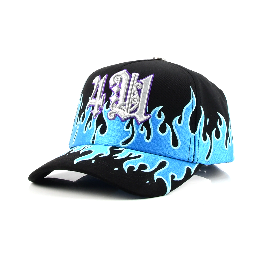
Sweat does more than dampen fabric. It leaves salt and body oils behind, and those settle into the stitching before anywhere else. Cheap cotton thread absorbs that moisture, swells, then dries stiff. Over a summer of commutes or trail runs, the underarm and collar seams start to fray from the inside out, long before the surrounding cloth shows any real damage.
Washing adds another layer of stress. Agitation pulls at every seam while detergent breaks down the fiber finishes that once made the thread slide through fabric smoothly. If the stitch tension was slightly off or the seam allowance too narrow, the washing machine will find it. Edges that looked flat on the rack begin to pucker, and loose ends creep out after a dozen cycles.
Sun exposure finishes the job. UV light weakens thread faster than most woven panels, especially around shoulders and cuffs where light hits directly. A seam that survived sweat and spin cycles can still split when the thread becomes brittle. Strong construction holds because the stitching was planned for this kind of abuse, not because the fabric happened to be thick.
Crown Structure Without the Cardboard Feel
Most crowns rely on stiff liners and rigid panels to hold their shape, but that approach tends to produce the uncomfortable, hollow sensation of wearing a box on your head. The difference here comes from a layered build that lets the crown flex naturally with the wearer’s movements. Instead of forcing the top of the hat into a fixed dome, the structure uses a series of soft, interlocking support strips that follow the curve of the scalp. The result is a crown that keeps its silhouette when the hat is set down, yet softens immediately once it’s worn, so there’s no sharp edge digging in or cardboard-like resistance when you turn your head.
A common shortcut in hat making is to soak the crown in stiffener and call it a day, which leaves the fabric feeling brittle and papery. This design avoids that trap by shifting the load away from the fabric itself. The interior framework carries the shaping duties, while the outer material stays supple and breathable. Run your hand over the top and you’ll feel a subtle give, not a hard shell. Even after repeated folding and packing, the crown returns to its intended height without creasing into sharp, unnatural angles. It holds its form through memory rather than stiffness, which is what keeps the feel closer to a well-worn cap than a costume piece.
What matters most is the transition between the crown and the brim, where most discomfort starts. Because the support structure tapers gradually instead of ending in a thick seam, the contact point against the forehead stays smooth and low-profile. There’s no pronounced ridge pressing into the skin, and the crown doesn’t hover above the head like a separate layer. The hat sits closer to the skull, distributing pressure evenly so you forget the internal framework is even there. It’s a nuanced change, but it removes the telltale stiffness that makes structured hats feel fake long before they look it.
A Brim That Holds Its Shape Through August
The brim on this hat refuses to wilt, even when August turns the sidewalk into a griddle. It keeps its crisp, architectural line through humidity, sweat, and the occasional afternoon downpour. You can toss it in a beach bag, pull it out an hour later, and the edge still snaps back to exactly where the milliner intended. No steam, no reshaping, no quiet cursing under your breath.
Most summer hats give up by mid-July, the brim drooping like a tired eyelid. This one is built with a hidden reinforcement that stays flexible enough to fold but firm enough to hold a clean arc. The result is a shade line that actually stays put over your eyes, whether you're walking to the farmer's market or sitting through an outdoor wedding that started ten minutes late.
It's also stubborn in the best way. You can wear it every day for three weeks straight, leave it on the dashboard of a parked car, or clip it to a backpack in a sudden gust of wind. The shape doesn't drift. By the time September rolls around, you'll realize the brim never once needed your help.
Hardware That Doesn't Turn Green or Give Up
The zipper teeth still have that soft metallic gleam after a year of daily grabs, and the pulls haven't started to flake or leave that faint green stain on the fabric around them. Even the corner rivets look worn in, not worn out.
What stands out is the snap closure. It doesn't need to be coaxed or pressed three times before it holds. You hear a single, clean click, and it stays put through a full bag, a dropped strap, and the usual shoving under airplane seats.
The buckles are the same story. No bending, no cracking, no slow loosening halfway through a walk. They've kept their tension and shape longer than most bags manage, which says more than any spec sheet could.
The Caps That Replace a Drawer Full of Compromises
Most people don't plan to own seven caps. It just happens—one sits too high, another feels stiff in the back, a third only works with one jacket. Over time the drawer becomes a record of near-misses, each lid bought for a single outing and then quietly retired. The idea here was simpler: shape one cap that can move through a week without forcing you to adjust it, stash it, or apologize for it.
The crown gets the fit right without being shallow or puffy, and the brim keeps its curve without going limp after a humid morning. The fabric has a dry, broken-in hand from the first wear, not the cardboard stiffness that takes a season to soften. Stitching stays flat against the front, so there is nothing to catch or fray. It works with a trail jacket, a half-zip, or just a clean tee—not because it is neutral, but because the proportions are intentional.
That is the real trade-off it removes. You are not settling for a hat that is almost the right weight, almost the right depth, almost the right color. The drawer stops filling up because the one you reach for is already there, and it does not feel like a compromise on any given day.
FAQ
Check the inner construction first. A stiffer, properly sewn buckram behind the front panels keeps the crown standing instead of collapsing. Dense wool blends or heavyweight brushed cotton hold their structure much better than thin twill. If the brim feels flimsy or the seams around the sweatband are loose, it will probably sag sooner rather than later.
It depends on how you plan to wear it. Wool and melton give a richer look and more structure, but they can run warm. Technical fabrics with a little stretch are better for heat and movement. The real sign of quality is a dense weave, clean interior finishing, and taped seams, not just the material name on the tag.
Look for metal clasps, heavy cotton straps, or hidden adjustable bands. Even expensive caps sometimes use flimsy plastic. Solid brass or coated steel hardware will not crack or slip, and a sewn leather strap tends to age much better than Velcro. Make sure the adjustment holes are reinforced rather than simply punched through the fabric.
Not really. Fitted caps often look cleaner because there is no gap at the back, but sizing is less forgiving. Many adjustable caps now use slide buckles or interior bands that feel just as secure. Quality comes down to the fabric, stitching, and sweatband construction, not whether the back is closed or open.
A few consistently stand out. Ebbets Field Flannels, New Era's made-in-USA line, and smaller Japanese labels like The H.W. Dog & Co. tend to use dense wool, full buckram fronts, and neatly finished seams. Smaller workshop brands often offer better value than big collaborations because more of the cost goes into materials rather than licensing.
Most well-made caps can survive it if you give them a little care. Crushing is not the main issue; moisture and repeated folding do more damage. Caps with flimsy brim inserts will eventually ripple, but heavy cotton and woven wool recover better. Let it dry flat and avoid folding the brim, and daily bag life is manageable.
Look inside. If the seams are exposed, the sweatband is thin or glued instead of stitched, and the front panel collapses without the logo patch, the markup is probably about style rather than construction. A genuinely premium cap should look nearly as good on the inside as it does on the outside.
A soft cotton or leather sweatband, a slightly curved brim that holds its arc, and functional ventilation grommets all help. Crown depth that matches your head shape matters more than most people expect. If the back closure does not dig in and the interior seams lie flat, you can forget you are wearing it after an hour.
Conclusion
Most caps look fine in a mirror and fall apart by midsummer. The real difference starts with fabric weight. A dense, mid-to-heavy cotton twill or wool blend holds its structure without relying on stiff backing, and it ages instead of collapsing. You notice it the first time you sweat through a long afternoon: the front panels stay put, the seams lie flat, and nothing puckers after a wash. That kind of density is hard to fake, and it carries through to how the crown sits on your head. A well-built crown keeps a rounded, intentional shape without that hollow cardboard snap, so the cap looks broken-in but never floppy.
Then the smaller parts take over. The brim should resist softening through heat and humidity, keeping its curve through August instead of turning into a limp flap. Hardware matters just as much: buckles and eyelets that don't tarnish, corrode, or leave green streaks after repeated wear. Stitching is where cheap caps unravel, especially around the sweatband and panels once sweat, sun, and washing machine cycles do their worst. When those details hold up, one good cap quietly replaces an entire drawer of compromises. It becomes the one you reach for daily, not because it is trendy, but because it still fits, shapes, and looks right months later.
Contact Us
Contact Person: Tommy
Email: [email protected]
Tel/WhatsApp: 8613546956008
Website: https://www.4ugearsupply.com/