
Non Slip Printed Carpet Recommendations for Safer Stylish Homes
2026-10-04
Slipping on a glossy floor isn't just embarrassing—it's dangerous. Yet when it comes to printed carpets, too many homeowners think style and grip can't coexist. They can. In this guide, I've rounded up the best non-slip printed carpet picks that hold their ground in high-traffic areas without sacrificing personality. Whether you're chasing bold geometrics or soft vintage motifs, each option here balances traction, comfort, and visual punch. And if you're curious about the design thinking behind these choices, Senseco has been quietly shaping how modern homes approach functional decor. Let's roll out the details.
When a Pretty Print Also Needs to Hold Its Ground
A design that looks stunning on screen can fall apart on paper. The ink might smear, the colors may shift after a few weeks in sunlight, or the paper could curl at the edges. That's when a pretty print stops being pretty—it starts looking tired. Holding its ground means choosing materials and finishes that withstand handling, humidity, and time, not just ones that photograph well.
Think of a restaurant menu printed on thin stock with delicate typography. It arrives crisp and elegant, but after a dozen lunch rushes it's creased, stained, and unreadable in the dim light. The same goes for product labels on bottles that sweat in a cooler. Beauty without backbone is a short-lived illusion. A print that holds its ground keeps its legibility and charm even when the real world pushes back.
This doesn't mean sacrificing aesthetics for brute durability. It means treating resilience as part of the design language. A matte laminate can protect without dulling the color. A heavier paper can still hold fine details if chosen carefully. The goal is a print that looks intentional from the first glance and remains that way long after the initial impression fades.
Printed Rugs That Don't Slide on Tile or Hardwood
Hard floors make even the prettiest printed rug feel like a hazard if it skates across the room the moment someone steps on it. Look for a rug with a rubber or latex backing that has a slightly tacky, waffle, or dot pattern—those textures grip tile and hardwood without leaving marks. A low pile or flatweave print also helps keep the whole thing stable, since taller fibers tend to shift more underfoot.
Some printed rugs come with a woven texture on the underside that acts like a built-in gripper, so you don't have to fuss with a separate pad. Natural rubber backings tend to hold better on sealed wood and ceramic, while PVC or foam backings can work but sometimes harden or crumble over time. If you're after a specific print, check that the backing covers the edges—that's where lifting usually starts.
One trick that helps in hallways or kitchens is to place the rug where foot traffic moves straight across, not at an angle, because diagonal steps are what make even grippy rugs creep. Vacuum the backing occasionally to keep dust from smoothing out the grip, and avoid soaking the rug in a washing machine unless the label says it's safe—once the backing cracks, the printed top layer will follow.
Low-Pile Patterns That Stay Put in Busy Hallways
A flatwoven polypropylene rug with a rubber backing rarely needs adjusting, even when kids sprint from the front door to the kitchen. The low pile keeps edges flush against hardwood or tile, so foot traffic glides over instead of catching a loop and dragging the whole thing sideways.
Look for tight, dense patterns—small geometric repeats or mottled organic shapes work well—because they mask the occasional scuff and dust that busy hallways collect. A darker tone in the design also buys time between vacuuming, while the pattern's variation keeps the space from feeling flat.
If the hallway sits over concrete or uneven flooring, add a thin felt pad underneath. It fills slight dips, grips the subfloor, and stops the rug from creeping toward the wall over weeks of daily use.
Washable Non Slip Backings Worth Looking For
You know that sinking feeling when a rug slides across the floor the moment your kid runs through the hall? I used to think all non-slip backings were pretty much the same, until I threw one in the wash and ended up with a crusty, cracked mess. That's when I learned to look for backings that actually survive a spin cycle without turning into confetti.
The best washable non-slip backings feel more like a dense, rubbery weave than a sticky coating. They grip hardwood and tile without leaving residue, and after a few washes they still hold their shape instead of curling at the corners. Some use a heat-cured latex pattern that stays flexible, while others rely on tiny suction dots that somehow get grippier after each wash. I've had the most luck with ones that don't shed little rubber crumbs into the dryer lint trap.
If you're comparing options, run your hand across the backing before buying—if it feels tacky or spongy, it might not hold up to laundry detergent. Look for a label that mentions machine wash cold and air dry, because high heat can harden the gripper layer. And don't assume a higher price means better adhesion; some budget rugs use a surprisingly tough woven backing that outperforms fancier glued-on versions. The real test is washing it three times and seeing if it still stays put underfoot.
Balancing Color and Traction in Open-Plan Living Areas
In open-plan living areas, color often sets the mood, but it can also quietly shape how people move through the space. A saturated rug under the seating zone doesn't just anchor the furniture; it signals where to step, creating a soft boundary without walls. Pairing this with lower-pile flooring in high-traffic paths keeps the flow intuitive—no one hesitates at an invisible threshold.
Traction becomes part of the design language when finishes vary subtly. A matte, slightly textured tile near the entry handles wet shoes with confidence, while the living room's smooth oak invites bare feet. The trick is avoiding a patchwork effect: keep the palette cohesive, maybe warm neutrals with one deeper accent, so safety features read as intentional layers rather than afterthoughts.
Natural light shifts everything, so test samples at different times of day. A glossy surface that feels safe in the morning might turn slick when afternoon sun hits it, and a bold color can overwhelm once the evening lamps come on. Small adjustments—like using a flatter finish on the main walkway or muting an accent wall by a few shades—keep both comfort and movement in balance without shouting for attention.
Small Non Slip Printed Rugs That Anchor a Room
A tiny rug with a bold print does more than shield the floor—it gives the eye a deliberate stopping point. Tucked beside a bed or just inside the front door, a small non-slip rug makes the space feel pulled together rather than scattered. The rubber backing holds it in place, so the pattern stays crisp even when you walk across it twice a day.
Think of it as a visual anchor that works harder than its size suggests. A geometric motif or faded botanical can pull colors from the nearby sofa, wall art, or throw pillows into one cohesive moment. Because the footprint is small, you can afford a louder print—something that would feel chaotic across a large room becomes a confident accent under a coffee table or in front of the kitchen sink.
Placement is everything. Slide one under a reading chair, at the foot of a staircase, or right where you drop your keys. The non-slip backing means it won’t drift, so that anchor actually stays put. Look for a print with a strong border or high-contrast center to define the edge of the area, even if the rug itself is only two feet by three.
FAQ
Focus on the backing. A good rubber or latex backing keeps the rug from sliding, but check that it's safe for your floor type. Also look for low-profile edges that won't catch toes.
Most modern printed carpets use fade-resistant dyes, but always check the care label. Vacuum regularly and spot-clean spills with mild soap. Avoid harsh chemicals if the backing is rubber, since they can break it down over time.
Yes, but choose one with a durable synthetic fiber like polypropylene or nylon. These handle foot traffic well and the non-slip backing helps keep the rug in place, which is especially important in busy spots.
Geometric patterns, subtle botanicals, and faded vintage motifs tend to blend well with contemporary furniture. If your room already has bold decor, go for a low-contrast print like a tone-on-tone trellis. For minimalist spaces, a single large-scale motif can add interest without clutter.
Not always. Rubber-backed rugs can discolor some vinyl or hardwood finishes over time, so check the manufacturer's notes. For tile or laminate, they're usually fine. If you're unsure, use a separate non-slip pad under a printed rug with no backing.
A low to medium pile (around 0.25 to 0.5 inches) is ideal. It gives some cushion underfoot without creating a tripping hazard. Avoid shaggy printed rugs in doorways or areas where people walk briskly.
Yes, look for rugs made from recycled fibers or natural materials like jute with a natural latex backing. Some brands use water-based inks for printing, which reduces chemical off-gassing. Check for certifications like OEKO-TEX if indoor air quality matters to you.
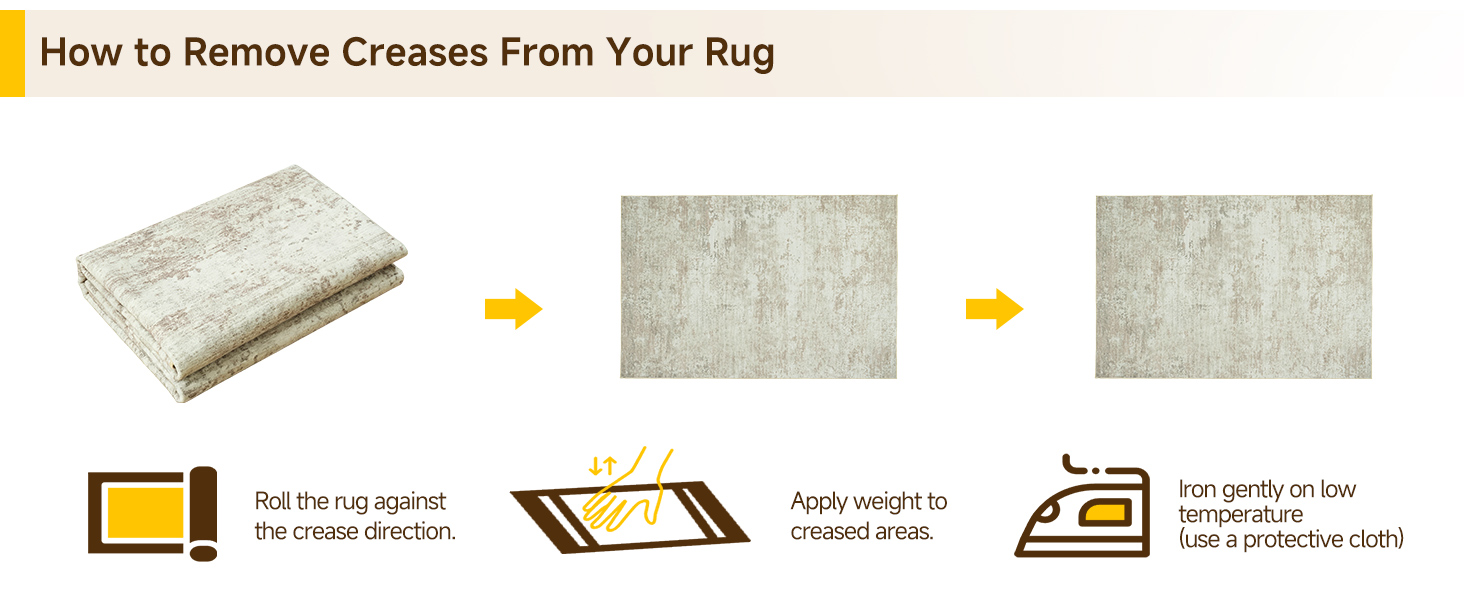
Roll it in the reverse direction for a day before laying it flat. If it still curls, place heavy books along the edges for a few days. Some rugs benefit from a low-heat hairdryer on the backing, but be careful not to melt the non-slip layer.
Conclusion
Choosing a printed carpet for a busy home used to mean sacrificing safety for style, but that trade-off no longer holds. The best non-slip printed rugs now combine striking visuals with grip that actually works on tile and hardwood, so a bold floral or geometric motif stays exactly where you put it. In open-plan living areas, the key is balancing vivid color with reliable traction—look for low-pile patterns that can handle constant foot traffic without creeping or buckling. Small printed rugs with non-slip backing are especially useful near entryways or in reading nooks, anchoring the furniture and defining the space without sliding every time someone walks past.
Durability matters just as much as appearance. Washable non-slip backings, often made from latex or silicone-like grips, let you toss a printed runner in the machine after a muddy week while preserving the print's sharpness. For hallways, low-pile construction prevents edges from curling and keeps the rug flat under rolling chairs or quick footsteps. Whether you're drawn to faded vintage patterns or modern color blocks, look for a rug that pairs a textured underside with a soft but dense surface. That way, the print holds its ground visually and literally, giving you a safer, more stylish home without constant readjustment.
Contact Us
Contact Person: Ivy Yin
Email: [email protected]
Tel/WhatsApp: +86 18519681805
Website: https://www.sensecomarketing.com/