

Performance Hat Factory Produces High-Tech Headwear Built for Endurance
2026-10-03
When your gear fails at mile 20, it’s rarely the legs that give out first—it’s the sweat in your eyes and the sun baking your neck. That’s exactly the problem the performance hat factory behind 4ugear set out to solve. Their high-tech headwear isn’t built for fashion runways; it’s engineered for the long haul, blending endurance-grade fabrics, breathable structure, and a fit that stays locked in when the pace picks up.
From Fiber to Finish: What Goes Into Endurance-Ready Headwear
The real work starts long before the first stitch. Endurance headwear leans on fibers chosen for how they behave when the heat index climbs. You'll see hollow-core polyester that shunts sweat away from the skin, paired with just enough merino or nylon to stop the fabric from turning into a soggy rag at mile 18. The best pieces feel almost dry when you pull them out of the washer, because the yarns are spun to move moisture laterally, not just trap it in a damp band across your forehead.
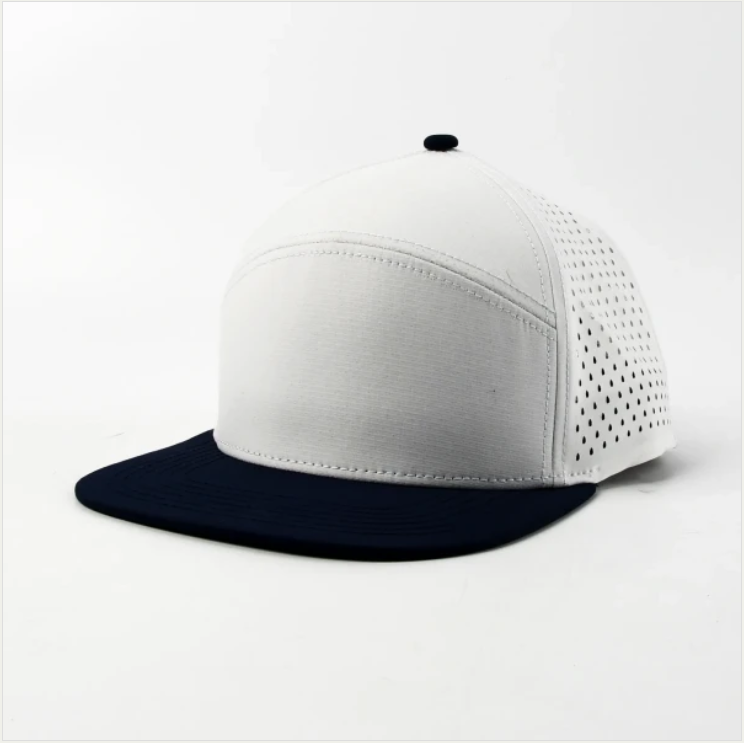
Construction details separate a cap that survives from one that wilts. Flatlock seams keep hotspots from forming under pack straps, while bonded brims shed rain instead of soaking it up. Small perforations near the temples aren't an accident; they're placed to catch crosswinds at running speed. Some makers add a low-profile antimicrobial treatment, but the smart ones rely on fiber choice rather than a heavy chemical bath that fades after five washes.
Then there's the part nobody talks about: fit over the long haul. An endurance-ready cap needs a closure that won't dig into your skull when you're three hours deep and tired of adjusting. Dark underbrims cut glare without the need for oversized visors, and a slightly taller crown leaves room for a headlamp strap. Little reflective hits near the back? Useful if you run before sunrise. The goal isn't just a hat that handles sweat; it's one you forget you're wearing by the time the real miles begin.
The 500-Mile Sweat Test Nobody Talks About
Five hundred miles sounds like a badge of honor until you realize the real test isn't your legs or lungs—it's what happens when sweat meets skin hour after hour. Salt crusts form in places you didn't know could chafe, and the smell of your own gear becomes something you stop apologizing for. Nobody warns you that the most brutal opponent is moisture, not distance.
By day three, every seam feels like sandpaper, and you learn to read the weather not for comfort but for evaporation rates. The sweat test isn't about how much you drip; it's about what survives the soak—your socks, your resolve, the tape you reapplied in a gas station bathroom. Some people track pace or elevation. You start tracking which fabrics turn sour first.
The miles blur together, but the dampness never does. You'll remember the exact moment you realized that dry feet were a luxury, or that a wet waistband could break your spirit faster than any hill. This is the test nobody puts on a race poster—the quiet, sticky, unglamorous war against your own output.
Wind, Rain, and Desert Dust: One Hat, Every Condition
A sideways squall off the Atlantic doesn't care about your plans. This hat does. The brim is stiffened just enough to keep rain from running down your collar, and the crown's tight weave lets water bead and roll off before it has a chance to soak through. Even in a proper downpour, the inside stays dry enough to forget the weather.
Out where the desert floor turns the air to grit, a lesser hat turns into a dust trap. Here, the fabric's natural static resistance keeps fine sand from working into the fibers. One sharp shake against your thigh and the dust leaves, not your patience. It also handles the heat without turning into a sweatbox, thanks to a low-profile fit that still lets air move across your scalp.
The real test is when the conditions switch mid-hike: rain at dawn, dust by noon, wind all afternoon. Instead of swapping gear or adjusting straps, you just tilt the brim and keep moving. It's built for that middle ground where forecasts fail and the trail doesn't care.
Why Adaptive Fit Matters More Than You Think on Long Runs
Your feet don't stay the same size over 20 miles. They swell, they spread, and the arch drops slightly as muscles tire. A shoe that feels snug at mile three can turn into a clamp by mile fifteen. Adaptive fit isn't just a comfort bonus; it's the difference between finishing with intact skin and hobbling home with blisters under the ball of your foot.
Long-run fatigue also changes your stride. You start to land a bit flatter, your toes splay wider, and pressure shifts toward the outside edge. If the upper doesn't flex with those micro-changes, you end up fighting the shoe with every step. That wasted energy shows up later as soreness in the ankles and a heavier-than-necessary shuffle.
There's a mental side too. When you can't stop thinking about a hot spot or a pinching seam, your pace falls apart. A shoe that adapts quietly lets you stay inside your rhythm, mile after mile, without needing to adjust laces or change socks at a rest stop. That's the kind of invisible support that makes long runs feel less like survival and more like steady progress.
The Brim That Bounces Back: Durability Without the Bulk
Most brims stay flat because they’re stiff—and once they crease, they’re done. This one takes a different route. A slim, shape-memory core sits between the fabric layers, letting you fold the brim, roll it, even cram it into a jacket pocket. When you pull it out, it snaps back to a smooth, even curve within seconds. No steam, no heavy books, no fighting with a warped edge.
The trick is in what’s left out: there’s no bulky plastic insert or brittle cardboard layer. The core is thin enough that the hat stays light on your head, but tough enough to survive daily abuse. Over time, repeated bends don’t leave soft spots or permanent crease lines. You get the crisp look of a structured brim without that stiff, helmet-like feel.
It’s the kind of durability that shows up when you least expect it—pulling the hat from a crowded backpack, finding it under a seat, or getting caught in a downpour. The brim comes back flat and ready each time, keeping its shape without needing special care. For anyone who’s ever hesitated to pack a good hat, this changes the equation.
Inside the Factory: Small Details That Prevent Big Headaches
When the third-shift maintenance tech spotted a hairline crack on a conveyor belt splice during his 2 a.m. walkthrough, it looked like nothing—a faint line in rubber that most people would shrug off. He tagged it anyway. Twelve hours later, that same splice tore under full load, taking the line down for six hours and costing two days of overtime to catch up. The only reason the plant didn't lose a major customer was that the tag forced a scheduled five-minute repair before the break happened.
A few feet away, on the canning line, an operator noticed the fill-level sensor was reading 12.1 ounces instead of 12.0. The variance was within “acceptable tolerance,” but she pulled a sample anyway. What she found was a worn O-ring on the filler nozzle, slightly changing the pour angle. Left alone, it would have under-filled thousands of cans—triggering a recall and a regulatory fine. Instead, a $3 part and ten minutes of downtime saved the plant from a massive headache.
These aren't heroic saves; they're routine catches that happen because someone was trained to look for the dull, unglamorous signs—a change in vibration pitch, a scatter of metal shavings near a gearbox, a label that's peeling at the corner. Factories that run smoothly don't get there by luck. They get there by treating small details as early warning signals, not annoyances. The real headache prevention happens long before the alarm sounds, in the quiet observation of a threaded bolt that's one turn looser than it was yesterday.
FAQ
Each hat integrates sweat-activated cooling fibers and a compression-fit band that stays put during long runs, hikes, or rides. The brim is reinforced with carbon fiber, so it keeps its shape even after being crushed in a pack.
We use a lightweight 3D-knit construction that weaves ventilation zones, reflective threads, and even a hidden pocket for keys directly into the fabric. There's no extra lining or heavy padding, so the hat weighs under two ounces.
The outer layer is a ripstop nylon blend treated with a hydrophobic coating, while the inner band uses merino wool and silver-infused yarn to resist odor and regulate temperature. The stitching is double-locked with UV-stable thread to prevent fraying in high sun exposure.
Yes, we offer a low-minimum custom program where you can choose the brim length, add perforated side panels for extra airflow, or embed a team logo using laser-cut appliqué that won't peel after repeated washing.
Every prototype is put through a 200-hour accelerated weather chamber that simulates rain, salt spray, and intense UV. We also have a group of ultrarunners who wear test the hats on 100-mile races and report back on comfort, sweat management, and any points of chafing.
The design is adaptive rather than season-specific. In hot weather, the open-knit crown releases heat and wicks moisture quickly. In cold weather, the merino band traps warmth near your forehead, and you can flip down a hidden breathable ear flap that tucks away when not needed.
The inner layer pulls sweat away from your skin and spreads it across a large surface area of the brim's underside, where micro-channels guide it to evaporate. Meanwhile, the polymer fibers expand when wet, creating tiny air gaps that boost airflow by roughly 30 percent compared to a standard polyester hat.
The founders were frustrated by seeing race photos where runners had salt-crusted foreheads and floppy brims after just a few hours. They spent two years prototyping with textile engineers and came up with a design that doesn't just survive a tough event—it actually improves your focus by keeping sweat out of your eyes and reducing glare.
Conclusion
Every hat that leaves this factory starts with fibers chosen specifically for long-haul comfort—nothing that soaks up sweat and stays heavy. The construction process pairs lightweight, breathable panels with stitching that holds its shape after hundreds of miles. Before any style earns the endurance label, it goes through a 500-mile sweat test that most brands never talk about. Fabrics are drenched, dried, and stretched repeatedly, and the brim is bent, crushed, and left to bounce back. This is not a fashion-first approach; it is a deliberate focus on function that keeps runners, hikers, and outdoor workers from dealing with soggy headwear or fraying edges mid-route.
The same hat is then pushed through wind, rain, and desert dust without changing its character. The adaptive fit system—often overlooked—takes center stage on long runs, because a hat that shifts or squeezes becomes a distraction after mile ten. Small factory details matter here: reinforced eyelets, a sweatband that channels moisture away from the eyes, and a brim that stays rigid enough to block glare but flexible enough to fold into a pack. These choices prevent the kind of headaches that only show up hours into a tough outing. The result is headwear that feels broken-in from day one yet holds up like it was built for a decade of abuse.
Contact Us
Contact Person: Tommy
Email: [email protected]
Tel/WhatsApp: 8613546956008
Website: https://www.4ugearsupply.com/