

PVC Antistatic Flooring Supplier Checklist for Safe and Durable Workspaces
2026-09-14
When outfitting a workspace that handles sensitive electronics, the floor beneath your feet matters more than you might think. A single static discharge can fry components, disrupt operations, and cost thousands. That’s why choosing the right PVC antistatic flooring supplier isn’t just a checkbox—it’s a safeguard for your entire facility. But with so many options claiming durability and safety, how do you separate the reliable from the risky? Before you sign a contract, run through this practical checklist. And if you want a partner that consistently checks every box, Lipin Floor has built a reputation for flooring that stands up to demanding environments. Let’s dive into what to look for.
Scrutinize the Supplier's Antistatic Track Record
A supplier's claims about ESD protection often sound convincing on paper, but real-world performance depends on their history. Dig into past projects where antistatic materials, flooring, or packaging were critical. Ask for concrete examples—failed audits, customer complaints, or silent replacements all reveal how seriously they treat static control. A supplier with a clean track record rarely hides behind vague assurances; they offer verifiable data from controlled environments.
Beyond formal certifications, look for signs of proactive problem-solving. Did they ever halt a shipment because humidity levels compromised antistatic properties? Have they redesigned a production line to eliminate static buildup without being asked? These details separate suppliers who merely comply from those who engineer reliability. Short visits to their existing clients, especially in electronics or chemical sectors, can uncover patterns that brochures never mention.
Finally, treat any incident history as a diagnostic tool, not an automatic disqualifier. A single lapse corrected with documented root-cause analysis may indicate a stronger partner than one with no failures because they've never been tested. The key is whether they measure and learn. Request their internal ESD audit logs, not just third-party certificates—if those logs show consistent improvement or fast containment of issues, you're looking at a supplier who treats antistatic performance as an operational habit, not a checkbox.
Demand Third-Party Test Reports for Surface Resistivity
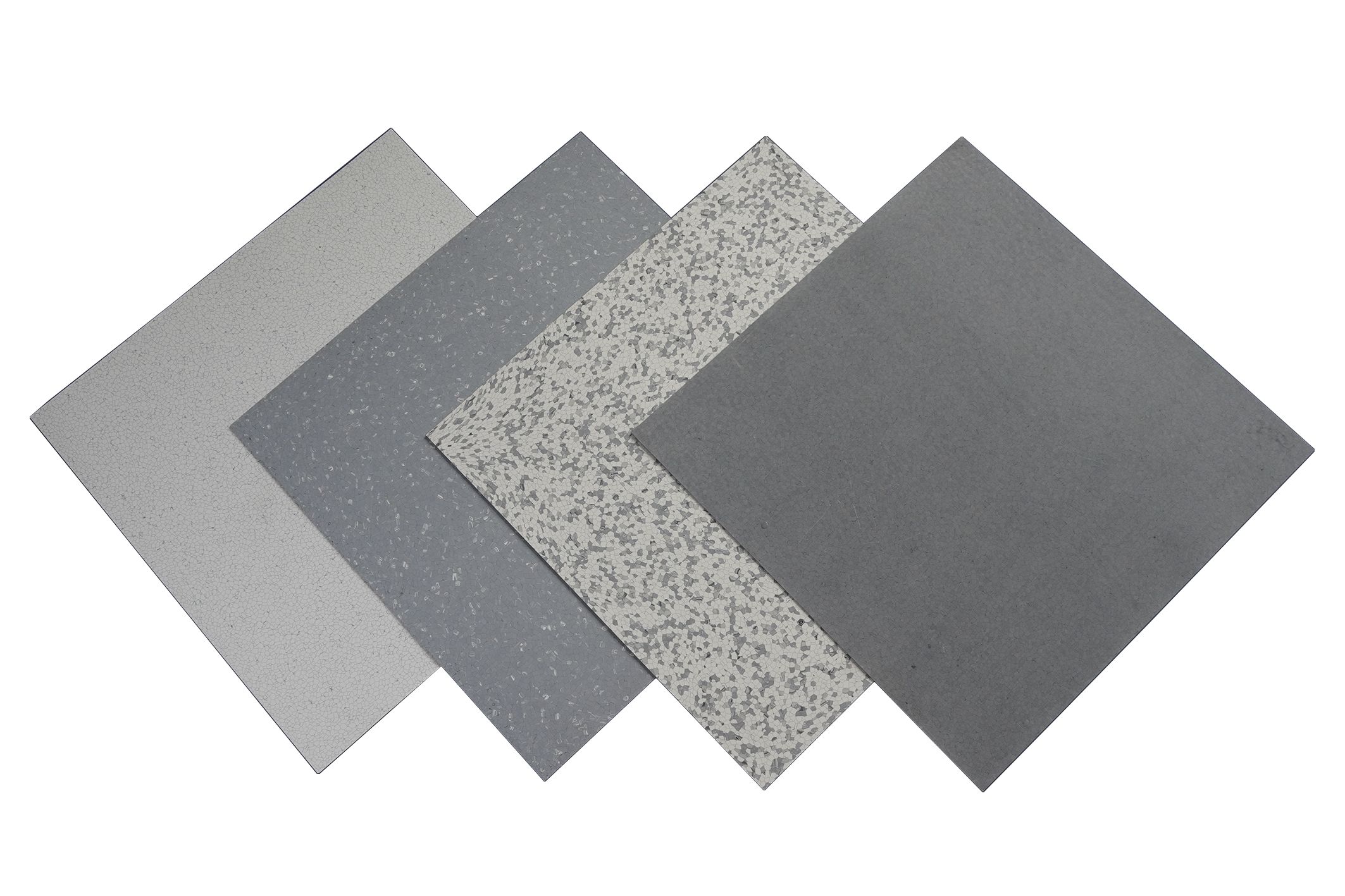
When sourcing materials where static dissipation matters, relying on a supplier's word isn't enough. Insist on a test report from an accredited independent lab that shows actual surface resistivity values under controlled humidity and temperature. This removes bias and confirms the material meets your specific threshold, whether it's 10^6 to 10^9 ohms per square for static-dissipative or below 10^6 for conductive.
Look beyond a single number. Ask for the test method—ASTM D257 or IEC 61340-2-3 are common—and verify the lab's accreditation. A credible report will list sample preparation, test voltage, and environmental conditions. If those details are missing or vague, push back. You're not just checking a box; you're ensuring the material will perform on your production floor, not just in a supplier's brochure.
Make third-party reports a non-negotiable part of your incoming inspection documentation. Keep a file of current reports and compare them against your own spot checks. When suppliers know you'll verify independently, they're less likely to cut corners on anti-static additives or coatings. Over time, this simple demand becomes a quality gate that separates dependable materials from marketing claims.
Match Flooring Grade to Actual Workspace Traffic
Traffic ratings on flooring samples rarely match the way a space actually gets used. A “medium duty” label might assume steady foot traffic, but the reality in a busy clinic includes rolling carts, chair casters, and the occasional dropped instrument. Before settling on a grade, walk the workspace at different times. Note where people cut corners, where deliveries stack near the door, and where moisture or grit gets tracked in. Those hotspots often need the next grade up, even if the rest of the floor could survive with less.
A better approach is to map traffic by intensity and type, not by room name. Entryways, narrow corridors, and areas around copiers or coffee stations act like high-wear zones regardless of their size. If a space mixes foot traffic with wheeled equipment, select a flooring grade that handles the rolling load, since casters concentrate force in small contact patches. It is also worth checking the wear layer thickness and the manufacturer’s commercial use rating, but treat those numbers as a starting point. Real-world grit and cleaning routines can shift performance more than a label suggests.
Evaluate Seam Welding and Grounding Details
A proper evaluation of seam welding starts with inspecting the weld bead for consistent penetration and surface finish. Look for signs of porosity, undercut, or cold lap along the entire length. Any irregularity here can compromise structural integrity, especially in enclosures subjected to vibration or thermal cycling. Use a low-power magnifier or dye penetrant if the joint is critical, because visual checks alone often miss hairline cracks at the seam ends.
Grounding details deserve just as much attention. Check that ground studs or pads are welded or fastened to bare metal, not over paint or corrosion. Measure resistance between the ground point and the main chassis; anything above a few milliohms may indicate a poor bond. Pay close attention to stacked grounding lugs, as paint overspray or oxidation between them creates intermittent faults that are hard to trace later.
Finally, verify that the weld area and grounding connection remain stable under mechanical load. Flex the joint slightly or tap the ground terminal while monitoring continuity. A seam that passes static inspection but opens under stress, or a ground lug that shifts when the cable is tugged, will fail in the field. Document any rework, and re-test after touch-up welding or fastener replacement to confirm the joint is solid.
Clarify Cleaning Protocols That Preserve Static Control
Static-control floors only work when the surface stays clean enough to drain charge away. The first detail to pin down is the chemistry: many everyday cleaners leave a thin insulating film that can quietly disable dissipative performance. Your written protocol should call out a neutral-pH, non-film-forming cleaner or a product already tested on ESD flooring, and it must ban waxes, polishes, and oil-based dust mops.
The tools are just as important as the solution. A reused mop head smears fine particles across conductive pathways, so assign dedicated color-coded mops to the ESD area and wash or replace them after each use. Flat microfiber pads remove contamination better than string mops, and a two-bucket method keeps rinse water from becoming a conductive residue bath.
Finally, make the protocol verifiable. After the floor dries, check the resistance with a surface resistance meter and record the readings. If the numbers drift above the accepted range, stop and reclean using the approved process. Block off wet areas for a short curing time so foot traffic doesn't re-soil the surface before the dissipative properties are confirmed.
Negotiate Warranty Coverage for Performance, Not Just Defects
Warranties often focus narrowly on manufacturing defects, leaving performance gaps unaddressed. Push for language that guarantees the product will meet agreed-upon specifications and functional benchmarks under normal use. This shifts the conversation from mere replacement of broken parts to ensuring the equipment actually delivers the results you paid for.
When negotiating, ask for measurable performance metrics—throughput, uptime, accuracy, or energy efficiency—and tie those to warranty obligations. If the vendor claims a machine runs at a certain speed, get that written into the warranty. Then, if it falls short during the coverage period, you have leverage for repair, replacement, or even a partial refund without having to prove a physical flaw.
This approach catches issues that defect-only warranties miss, such as gradual degradation or design limitations that show up only after months of operation. It also discourages vendors from overpromising during the sales pitch, since they know they’ll be held accountable for real-world performance. Ultimately, you protect your investment by ensuring the warranty covers what the product is supposed to do, not just what it’s made of.
FAQ
Ask how the antistatic performance is achieved. Some suppliers rely on a topical coating that wears off, while better options embed conductive particles throughout the vinyl core or use a permanent conductive backing. The latter maintains consistent surface resistance over time, even in high-traffic areas.
Request third-party test reports for surface resistance, charge decay, and abrasion resistance. Look for values that meet recognized standards such as EN 61340-5-1 or ANSI/ESD S20.20, and check the wear layer thickness. A floor that only passes tests when new may fail after a few months of forklift traffic or frequent cleaning with aggressive agents.
Pay attention to the wear layer thickness, overall tile or sheet thickness, dimensional stability, and resistance to indentation. A durable floor typically has a wear layer of at least 0.5 mm for moderate traffic and thicker for heavy duty, plus a compact PVC core that resists curling and edge damage. Also ask about the backing type, as a reinforced glass-fiber layer can reduce expansion and contraction.
Antistatic PVC flooring needs a stable, level, and moisture-free substrate to perform correctly. A supplier who does not ask about the subfloor condition may be ignoring future failures like bubbles, lifted seams, or uneven conductivity. Reliable suppliers often request a moisture test result, surface flatness data, and details about existing floor coverings before recommending a specific adhesive and installation method.
Expect a complete technical data sheet, a safety data sheet for the adhesive and floor material, third-party test certificates for antistatic and fire performance, and a written warranty that clearly states coverage for electrical performance. If a supplier hesitates to share these or only offers a glossy brochure, that is a red flag.
Very important. Even the best PVC antistatic flooring can underperform if installed with the wrong adhesive or without proper grounding. A responsible supplier offers site visits, installer training, or at minimum a detailed installation manual, plus a clear process for handling defective batches or conductivity failures after handover. Ask whether they provide on-site testing after installation and what remediation they offer if readings exceed the required range.
Avoid waxes, oil-based cleaners, and polymer sealers that create an insulating film. Use pH-neutral or static-dissipative cleaners recommended by the supplier, and wipe up spills promptly to prevent adhesive breakdown. Periodically test surface resistance in multiple locations with a calibrated megohmmeter, and keep records so you can spot gradual changes before they become safety issues.
Watch for unusually low prices compared with similar products, vague statements about antistatic without measurable resistance ranges, no independent lab reports, limited or no warranty on electrical properties, and reluctance to provide samples for third-party testing. Also be cautious if the supplier cannot explain the difference between static dissipative, conductive, and antistatic performance, or if they suggest regular topical treatments to maintain conductivity.
Conclusion
Choosing the right PVC antistatic flooring supplier goes far beyond comparing square-meter prices. Start by digging into the vendor’s history with electrostatic discharge (ESD) control projects—ask for verifiable client references from electronics assembly, healthcare, or cleanroom environments, not just a glossy brochure. Insist on current third-party test reports that quantify surface resistivity, and make sure those numbers align with the specific ANSI/ESD or IEC standards your operation must meet. A supplier who hesitates to share lab data or offers only in-house certifications should raise immediate concerns.
Equally important is how the flooring will perform under real conditions. Map out your workspace traffic patterns and choose a wear layer thickness and tile or sheet format that can handle point loads, rolling carts, and footfall without losing conductivity. Ask detailed questions about seam welding techniques and copper grounding strips—poorly executed seams create islands of static charge. Then pin down cleaning procedures: some disinfectants and waxes can degrade the antistatic additives, so the supplier should recommend maintenance products that preserve resistivity. Finally, negotiate a warranty that covers functional performance over time, including resistance values and weld integrity, rather than simply covering manufacturing defects. This approach filters out vendors who sell static-control flooring as a commodity and rewards those who understand the operational stakes.
Contact Us
Contact Person: yuki
Email: [email protected]
Tel/WhatsApp: +86 18664390732
Website: https://www.lipinfloor.com/