

Top Food Grade Fumed Silica: Your Essential Guide to Safe and Effective Use
2026-05-23
When it comes to food-grade additives, safety and performance are non-negotiable. Fumed silica has quietly become a staple in countless products, from powdered mixes to supplements, but not all silica is created equal. This guide demystifies what makes top-tier food grade fumed silica so effective—and how to use it without compromise. Whether you're formulating for smoother textures, better flow, or consistent quality, the choice of supplier matters. Industry leaders like Zhonglian have refined their process to deliver ultra-pure, safe silica that meets rigorous global standards. Ready to go beyond the basics? Let’s explore how the right fumed silica can transform your product—and what to look for before you buy.
What Makes Fumed Silica Food Grade?
The designation of food grade fumed silica hinges on purity and manufacturing processes that meet stringent safety standards. Unlike industrial grades, this variant is produced under tightly controlled conditions to minimize contaminants such as heavy metals, soluble salts, and residual organic compounds. The synthesis involves high-temperature hydrolysis of silicon tetrachloride in an oxygen-hydrogen flame, but for food applications, the starting materials and equipment must prevent cross-contamination. Every batch undergoes rigorous testing to verify that it falls within the permissible limits set by regulatory bodies like the FDA or EFSA, ensuring it’s safe for direct contact with edible products.
Beyond purity, physical characteristics are tailored for food use. The particle size, surface area, and aggregate structure are engineered to deliver specific functional benefits—like preventing clumping in dry powders or stabilizing liquids without altering taste or odor. Processing aids and surface treatments, if any, are restricted to those explicitly approved for food contact. Even packaging and handling follow protocols that lock out moisture and foreign matter, preserving its inert nature from factory to fork.
Traceability and certification seal the deal. Manufacturers must provide comprehensive documentation, including Certificates of Analysis and food-grade declarations, which validate compliance with international food safety standards. Regular site audits and third-party verifications keep the supply chain transparent. This level of scrutiny isn’t just about meeting regulations; it’s about building trust in a material that quietly plays a role in countless pantries and processing plants worldwide.
How It Enhances Powdered Ingredients
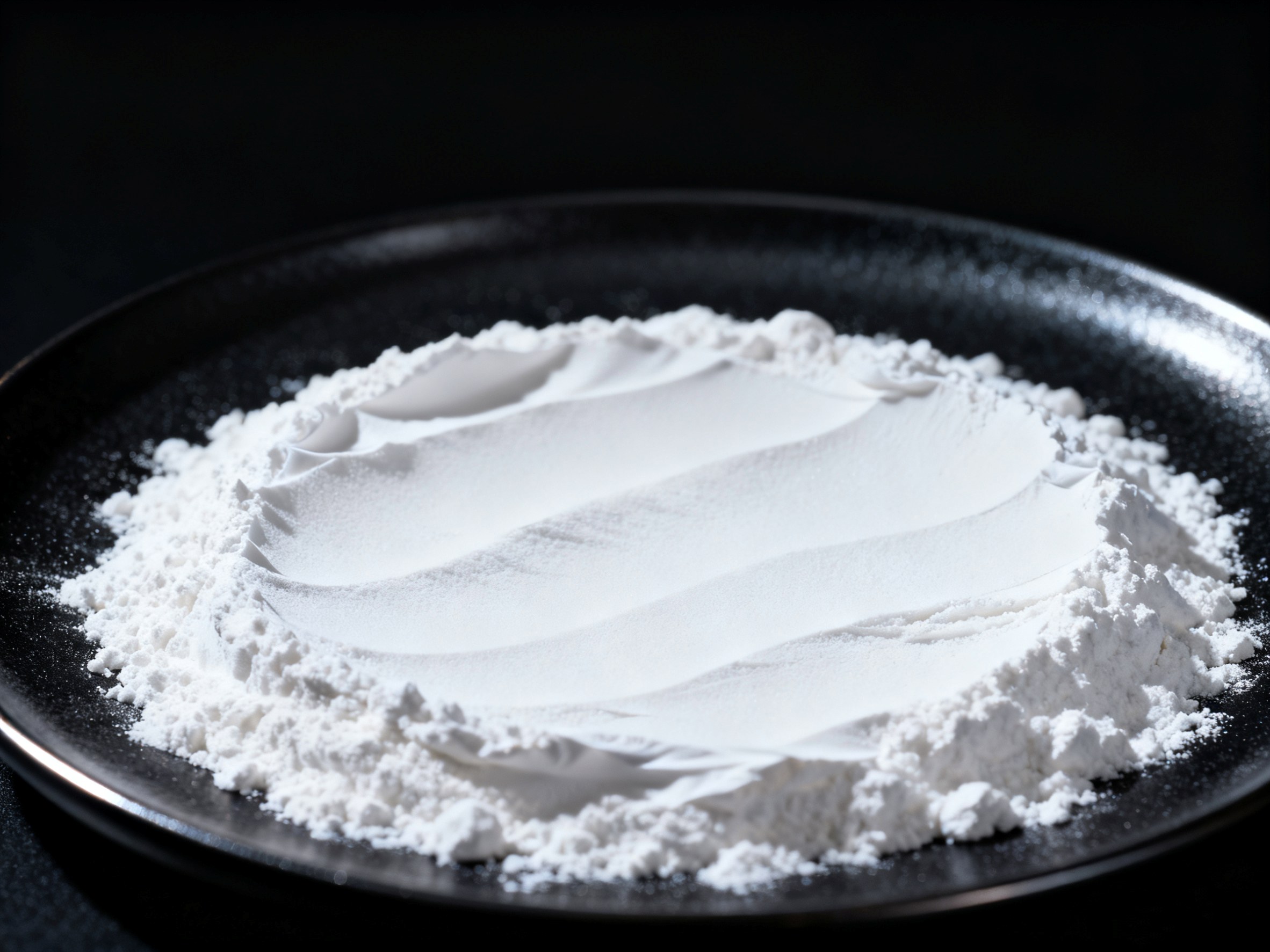
One significant way it improves powdered ingredients is by enhancing their flowability. Many powders tend to clump together due to moisture or static, making them difficult to measure and blend. By applying a thin, uniform coating, this technique reduces interparticle friction, allowing the powder to pour smoothly and dispense evenly. This is particularly beneficial in industrial settings where precise dosing is critical.
Another advantage lies in the protection of sensitive compounds. Powdered ingredients often degrade when exposed to oxygen, light, or heat. Encapsulation creates a protective barrier, preserving the potency and freshness of volatile flavors, vitamins, or probiotics. This extension of shelf life directly translates to less waste and more reliable product performance.
It also optimizes dispersion in liquids. Hydrophobic powders, for instance, resist mixing into water-based solutions, forming lumps that ruin texture. A surface modification can make these particles readily wettable, ensuring a smooth, homogenous blend without the need for high-shear mixing. This translates to faster processing times and a superior end-user experience.
Ensuring Safety in Everyday Consumption
From the moment we pick a product off the shelf, safety should be at the forefront of our minds. It starts with a quick scan of the label—ingredients, expiry dates, and storage instructions are more than just fine print; they’re the first line of defense. I’ve made it a habit to look for certifications or quality marks that signal a product has passed some level of scrutiny. It’s not about being paranoid, but about building a quiet awareness that turns routine purchases into deliberate, safer choices.
But safety doesn’t stop at the store. Once we bring items home, the way we store and prepare them can make all the difference. I used to overlook things like keeping raw and cooked foods separate in the fridge or checking if the microwave-safe symbol is genuinely on that container. Small steps—like using separate cutting boards or regularly cleaning the refrigerator—become automatic over time. It’s about weaving these actions into daily life so naturally that they don’t feel like chores, just normal parts of the rhythm of living.
We should also stay curious and adaptable because what we know about safety evolves. Years ago, few of us thought twice about certain plastics or additives that are now under scrutiny. Listening to product recall news, following trusted consumer guides, or even swapping tips with a neighbor keeps us informed without falling down a rabbit hole of fear. Everyday consumption isn’t about perfection, but about making better choices step by step, learning as we go, and keeping the well-being of ourselves and those we care about at the center of the simple acts that fill our days.
Practical Tips for Proper Handling
When moving items, always assess the weight before lifting. Bend at the knees, keep your back straight, and avoid twisting while holding something heavy. If an object feels awkward or exceeds your comfort level, don't hesitate to request assistance or use a dolly.
For delicate or valuable pieces, clear the path in advance and remove obstacles that could cause trips or bumps. Use padding and secure straps when transporting furniture to prevent scratches and dents. Communicate clearly with any helpers so everyone knows the plan and timing of each movement.
Pay close attention to grip and hand placement, especially on slippery or irregular surfaces. Wear gloves for better traction and to protect against splinters or sharp edges. Take breaks if you start feeling fatigued, as tiredness often leads to careless mistakes that can damage belongings or cause injury.
Creative Applications Beyond Anti-Caking
Diatomaceous earth has quietly slipped into a number of surprising roles far removed from its work in food powders. It turns out the same porous, abrasive structure that stops clumps also lends itself to all sorts of hands-on, practical uses around the home and garden. People have taken to sprinkling it along baseboards and pet bedding to naturally discourage pests, relying on its micro-sharp edges rather than synthetic chemicals. Others mix it into soil to boost aeration and drainage, giving root systems a bit more room to breathe without resorting to heavy amendments.
Beyond the garden, this fine dust finds its way into DIY skincare and cleaning routines. Mixed into a gentle paste, it makes an unexpectedly effective facial scrub or a soft abrasive for scrubbing sinks and tile without scratching. Artists have even experimented with blending it into paints and plasters, achieving matte finishes and subtle textures that are hard to replicate with conventional materials. The appeal often lies in how such a simple, mineral-based ingredient can replace multiple specialized products sitting under the sink.
Crafters and pet owners have also carved out niche uses. A light dusting inside chicken coops helps keep mites down, while a small bowl tucked in a closet works as a quiet dehumidifier and odor absorber—competing with baking soda on the cheap. It occasionally appears in homemade toothpaste and deodorant recipes, valued for mild polishing and moisture control. These off-label applications aren't always found on the package, but they spread through word of mouth, lending the unassuming white powder a quiet, versatile reputation.
Choosing a Reliable Supplier for Your Needs
Finding a supplier you can truly count on often comes down to more than just comparing prices or delivery times. It's about building a relationship where communication is transparent and issues are resolved before they become problems. A supplier who listens carefully and adapts to your evolving needs will save you countless headaches down the line.
Look beyond the polished sales pitch and dig into how they handle real-world challenges. Ask for references from clients with demands similar to yours, and pay attention to how quickly they respond to your questions now—it’s a strong indicator of their future responsiveness. A dependable partner will be open about their limitations and proactive about finding solutions.
Finally, trust your observations during site visits or sample evaluations. The condition of their facilities, the attitude of their staff, and the consistency of their output often reveal more than any certificate can. Choose a supplier who treats your business as a long-term collaboration, not just a transaction, and you’ll build a foundation that supports mutual growth.
FAQ
Food grade fumed silica is a synthetic, ultra-pure form of silicon dioxide that meets strict safety standards for use in food products. Unlike industrial grades, it's processed to remove contaminants and ensure it's safe for consumption, typically as an anti-caking agent or thickener.
Absolutely, when it's food grade. It's been thoroughly evaluated by food safety authorities like the FDA and EFSA, which confirm it's non-toxic and inert at permitted levels. It passes through the digestive system without being absorbed, so your body doesn't even register it.
Its main superpower is preventing clumps. In things like spice blends, protein powders, or instant coffee, it coats the particles and absorbs moisture, keeping them free-flowing. It also helps suspend ingredients in liquids, giving dressings and shakes a smooth texture.
You can, but it requires a light touch. A little goes a long way—typically 1-2% by weight. Overdoing it can leave a dry, gritty mouthfeel. Make sure you're buying from a supplier that clearly labels it as food grade, and mix it evenly to avoid hotspots.
Treat it like any fine powder: keep the container tightly sealed in a cool, dry place, away from moisture and humidity. Because it's a desiccant, it will pull water from the air and lose its free-flowing mojo. If stored right, it can last for years.
In food applications, there's very little to worry about. The main concern is inhalation of the dust during handling—it can irritate the lungs, much like any fine powder. So, use a mask if you're working with large amounts in a poorly ventilated space. Ingesting it within regulated limits is considered safe.
It has no nutritional value—no calories, no minerals, nothing your body can use. It's chemically inert, so it simply travels through your digestive tract and is excreted unchanged. Think of it as a functional helper, not a food source.
Always check for a clear 'food grade' certification on the label, such as FCC compliance or a statement that it meets EU or FDA food additive specifications. Reputable suppliers will provide a certificate of analysis. Avoid anything that just says 'silica' without confirming its suitability for food use.
Conclusion
Exploring the world of food-grade fumed silica reveals a material prized for its purity and versatility. What sets it apart is its compliance with stringent safety standards, ensuring it's free from harmful contaminants. This ultra-fine, high-purity silicon dioxide powder is manufactured through a flame hydrolysis process, yielding particles with an exceptionally high surface area. Its unique structure makes it an indispensable additive in the food industry, primarily for its anti-caking and free-flow properties. Beyond preventing clumps in powdered ingredients like spices, baking mixes, and protein powders, it also acts as a stabilizer and thickener, maintaining product consistency. Its inert nature ensures it doesn't react with other ingredients or affect taste or odor, making it a seamless addition to a wide array of consumables.
Handling fumed silica demands respect for its lightweight, dusty character; proper ventilation and protective gear are wise to prevent inhalation. Yet, its applications extend far beyond basic functionality. Creative uses include clarifying beverages, absorbing fats in fried foods, and even crafting edible packaging films. When sourcing, partnering with a supplier offering transparent documentation, batch-to-batch consistency, and rigorous quality control is crucial. This guide demystifies the safe and effective use of top-tier food-grade fumed silica, empowering you to leverage its benefits with confidence in everyday consumption and innovative product development.
Contact Us
Contact Person: Levin Wang
Email: [email protected]
Tel/WhatsApp: 8618668999988
Website: https://www.silicaplant.com/