

Top Red Light Therapy Devices for Skin Health and Recovery
2026-10-09
If you've been curious about red light therapy but feel stuck scrolling through endless specs and bold claims, this guide cuts through the noise. From fading fine lines to calming post-workout inflammation, the right device makes a real difference—and not all of them are worth your money. We've narrowed down the top performers, including one brand that keeps surprising us: Omeina. Here's what actually works and why.
The Wavelength Window That Actually Matters for Skin Repair
Most of the chatter around light therapy skips over a simple fact: skin doesn't respond to every wavelength the same way. The useful range sits roughly between 600 and 900 nanometers, with the sweet spot often landing near 630–660 nm for surface repair and 810–850 nm when deeper fibroblasts and vascular support are the target. Shorter wavelengths get scattered or absorbed by pigment and hemoglobin before they can do much, while longer ones beyond 900 nm tend to heat tissue rather than trigger the photochemical pathways that nudge cells back into repair mode.
Inside that window, the mechanism is less about energy delivery and more about timing and dose. Cytochrome c oxidase—a mitochondrial enzyme—acts as the primary chromophore, absorbing photons and briefly shifting the cellular redox balance. That shift releases a small burst of reactive oxygen species, which sounds counterproductive but is exactly what signals keratinocytes and fibroblasts to upregulate collagen synthesis, reduce inflammatory cytokines, and improve microcirculation. Push the dose too high or wander outside the useful wavelengths, and the same pathways stall or tip into oxidative stress. So the window isn't a marketing gimmick; it's a biological constraint that separates a measurable repair response from a warm, expensive placebo.
Panels, Wands, and Masks Without the Usual Gimmicks
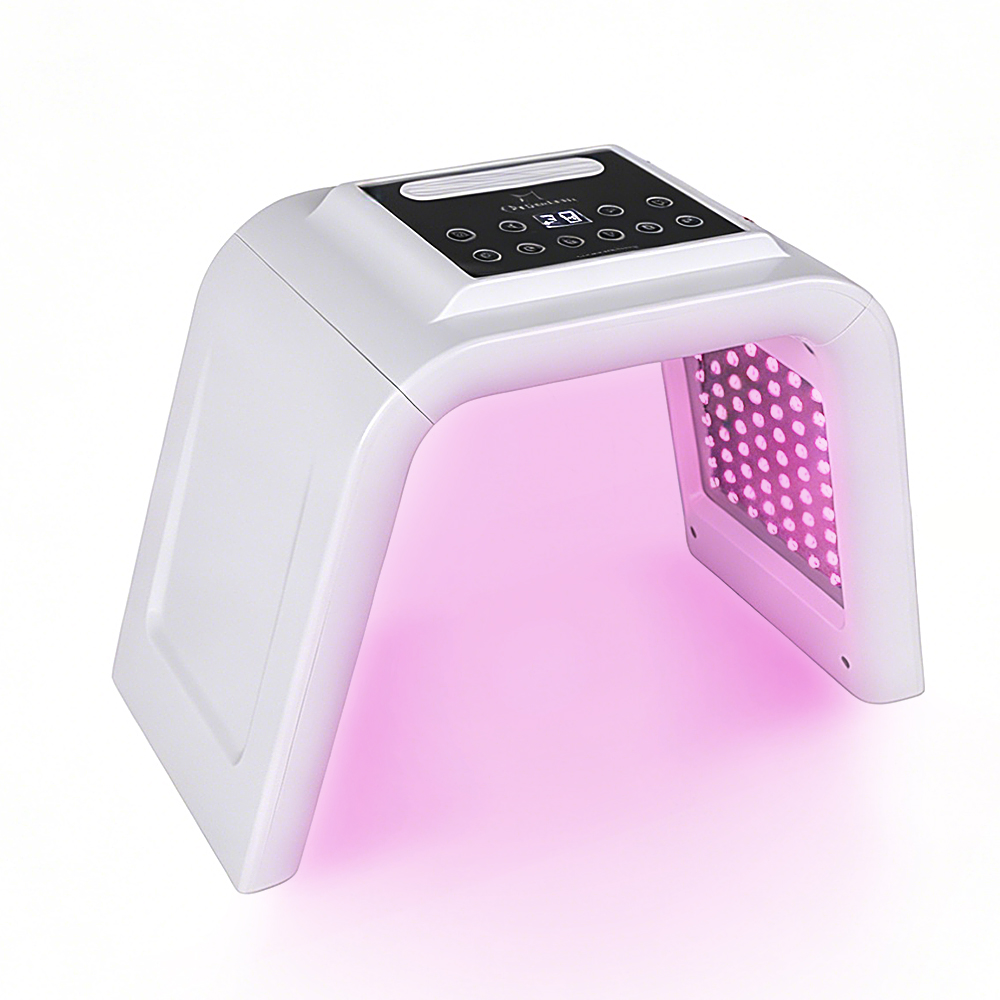
Most beauty devices come loaded with buzzwords—color therapy, sonic vibrations, app-connected everything—but these panels, wands, and masks strip all that away. They don't need a smartphone to work, and they won't flash rainbow lights at you mid-treatment. Instead, each tool focuses on one core function: delivering consistent, measurable energy where your skin actually needs it. No subscription hacks, no proprietary gel refills that cost more than the device itself. Just straightforward hardware designed to be used daily without a learning curve.
The panel ditches the typical multi-mode circus for a single, well-calibrated wavelength that penetrates deeply without overheating. The wand skips the sliding and tapping choreography—hold it still over a spot and let it do the work. The mask removes the built-in timer theatrics and awkward eye holes, opting for a comfortable, weight-balanced fit that stays put while you read or fold laundry. Every part that touches your skin is medical-grade silicone or tempered glass, not cheap plastic that cracks after three months.
What you notice after a few weeks isn't a dramatic before-and-after photo op, but small, steady improvements: fewer red patches along the jawline, less noticeable fine lines around the mouth, a smoother texture on the forehead. There's no tingling sensation meant to convince you it's 'working harder.' The results come from consistency, not from a clever marketing hook. And when you travel with them, they pack flat and don't require a separate charging dock for each component—one USB-C cable covers all three.
What Sets a Skin-Soothing Device Apart from a Recovery Tool
Skin-soothing devices and recovery tools often get lumped together, but the core difference lies in their intention. A recovery tool is built to help your body bounce back after physical stress—think muscle tension, joint stiffness, or post-workout soreness. A skin-soothing device, on the other hand, targets the surface level: redness, irritation, tightness, and that uncomfortable heat that comes with sensitive or reactive skin. The sensation is different too. Recovery tools can feel aggressive, like deep kneading or intense vibration. Soothing devices lean into gentleness, using lower temperatures, softer pressure, or calming light to bring the skin back to a neutral state without overwhelming it.
Another key difference is the technology inside. Recovery tools often prioritize deep tissue penetration—percussion, compression, or heat that reaches the muscles. Skin-soothing devices focus on the epidermis and the nerve endings just beneath it. You might find cooling ceramic tips, red or blue LED therapy, or micro-vibrations that settle irritation rather than stimulate blood flow. The goal isn't to fix something broken; it's to quiet down an overactive response. That's why you'll see soothing devices marketed for rosacea, post-sun exposure, or after a harsh exfoliation, while recovery tools are aimed at athletes or people with chronic muscle pain.
Finally, the after-feel tells the real story. After using a recovery tool, your muscles may feel warm, loose, or slightly tender. After a skin-soothing session, your face should feel cool, calm, and comfortable—like a deep breath for your skin. Soothing devices often work well as a daily ritual, a moment to de-escalate stress on the skin's surface. Recovery tools are usually for targeted, occasional use. If you're choosing between the two, ask yourself: Am I trying to relax my skin or repair my body? The answer will lead you to the right device.
Daily Use Cases That Won't Hijack Your Evening Routine
Some tools quietly earn a spot in your day not because they demand attention, but because they finish the job before you even notice. Think of a browser extension that summarizes long articles into three bullet points while you sip your morning coffee, or a small app that batches your photo uploads in the background and then steps aside. These aren't flashy additions; they're more like a good pen that never runs out of ink mid-sentence. The value shows up when you realize you've crossed off a task without the usual mental gymnastics.
What separates a genuinely useful daily tool from a distraction is its ability to fit into the cracks of your schedule rather than expanding them. A recipe organizer that turns a screenshot into an ingredient list saves you ten minutes of typing while dinner simmers. A lightweight note taker that syncs across devices but doesn't ping you with reminders lets you capture a thought and forget it until you actually need it. None of these require a new routine, a tutorial video, or a change in your habits. They simply remove friction from things you were already going to do.
The best part is how unremarkable these tools look from the outside. They don't ask for streaks, badges, or daily check-ins. You won't find a dashboard full of graphs urging you to be more productive. Instead, they work like a well-organized drawer: when you reach for something, it's there, and when you close the drawer, it disappears. That's why they survive on your home screen long after trendier apps have been deleted.
The Quiet Details Like Irradiance and Build Quality
Most people glance at a lumen number and move on, but irradiance tells a different story when you actually stand under the light. It's not just about how bright the center spot is, but how evenly that energy spreads across your work surface, and whether it holds steady after an hour of use. I've seen fixtures with impressive peak readings that fall apart at the edges, creating hotspots that force your eyes to constantly adjust. The real difference shows up in the falloff curve: a well-designed optic or reflector keeps the beam consistent, so you don't notice a dramatic drop when you shift a few inches to the left. That kind of control doesn't happen by accident.
Build quality is the other quiet detail that separates something you keep from something you replace. Look past the machined aluminum and check the threads, the weight distribution in the mount, the way the cable exits the housing without straining the connections. Small things like a properly countersunk screw, a diffuser that sits flush, or a heat sink that actually dissipates heat instead of trapping it—those are the markers of a product designed by people who cared. If the spec sheet claims a certain irradiance at a given distance, the housing should support that performance over time, without warping or discoloring after a few hundred hours. It's less about luxury and more about trust: the thing should feel solid in your hands and behave predictably when your back is turned.
When Results Show Up on Your Face Not Just in Ads
There's a strange moment when the mirror stops being a daily obligation and becomes a quiet witness. You catch yourself leaning closer, half-expecting the old tint of dullness or the familiar shadow under your eyes. But it's not there. And for a second, you wonder if the lighting changed—until you realize the change happened over weeks, not overnight, and it's still there in every light.
Advertising has trained us to expect sudden, dramatic flips—a filter-like glow in three days, a vanished wrinkle after one application. But when real results show up, they don't announce themselves with sparkle. They accumulate like small honest details: a texture you touch without thinking, a tone that holds through the afternoon, the way someone asks if you've been sleeping better. You didn't buy a miracle; you bought consistency, and your face is simply keeping the receipt.
The most convincing proof was never a before-and-after photo with different angles. It's the day you stop looking for proof altogether. You wash your face, reach for less makeup, and leave the house without that mental checklist. Because the change isn't in the ads anymore—it's in the ordinary glass, on an ordinary Tuesday, and it refuses to be edited away.
FAQ
For skin-focused use, you want wavelengths that penetrate the epidermis and dermis without going too deep. 633 nm and 830 nm are a solid combo—633 hits the surface layers to stimulate collagen and calm redness, while 830 reaches slightly deeper to support repair. Also check irradiance: somewhere between 40 and 100 mW/cm² at the treatment distance keeps sessions short without overheating the skin. Finally, pick a device that covers your whole face at once if you can. Handheld wands work, but they take forever and you'll likely miss spots.
Consistency matters more than intensity here. Three to five times a week for 10 to 15 minutes per session is the sweet spot for most people. Using it every single day won't necessarily speed things up—your cells need time to respond. Think of it like exercise: rest days allow the repair process to complete. After about a month, you can drop to two or three maintenance sessions a week.
Both, though the mechanism differs. For active acne, red light reduces inflammation and bacterial load, which can calm breakouts within a week or two. For older scars—especially red or pigmented marks—it helps by boosting collagen production and speeding up cell turnover, which gradually evens out texture. Depressed ice-pick scars won't disappear completely, but the surrounding skin becomes firmer and more resilient, making them less noticeable. Expect three to six months for meaningful fading.
If you're taking medications that increase photosensitivity—like certain antibiotics, retinoids, or St. John's Wort—talk to a doctor first, because red light could trigger a reaction even without UV. Also, if you have an active skin infection, open wound, or a history of light-triggered migraines, hold off until things settle. Pregnancy isn't an absolute contraindication, but most practitioners suggest avoiding it just to be safe since there's no solid safety data.
Coverage and power. A wand might only treat a two-inch circle at a time, so you end up moving it around for twenty minutes and still miss your jawline or temples. Panels give even, full-face exposure in one go, usually with higher irradiance, so you need less time. Handheld devices are fine for travel or spot-treating a single scar, but if you plan to use it regularly for overall skin health, a panel is worth the extra cost.
No, but change the order. Red light works best on clean, dry skin, so apply your serums after the session, not before. Using retinol at night and red light in the morning works well because retinol can make skin slightly more light-sensitive right after application. If you do use vitamin C in the morning, wait at least 15 minutes after your red light session before applying it. And always wear sunscreen during the day—red light won't make you burn, but your skin is still exposed to UV.
Conclusion
Most skin-focused red light devices cluster around 630–660nm, where photons reach the upper dermis and nudge fibroblasts without the heat or damage of lasers. That's the sweet spot for calming redness, smoothing fine lines, and helping post-procedure skin settle. But if you're also chasing muscle recovery or deeper joint comfort, look for devices that add near-infrared around 810–850nm—same panel, different depth. The market splits roughly into three honest categories: large panels for full-face or body coverage, compact wands for spot-treating stubborn areas, and flexible masks for hands-free sessions. None of them need microcurrents, vibration, or app-controlled gimmicks to work; a simple timer and consistent distance do more than any smart feature. Skin-soothing tools lean toward lower irradiance and broader coverage, while recovery-focused units prioritize higher power density and deeper wavelengths. You can use the same device for both, but the settings you choose will differ.
Daily use should not feel like a second skincare routine. A five-to-ten-minute session while answering email or making coffee fits most schedules, and masks with built-in eye protection beat holding a wand at arm's length. Build quality matters more than the spec sheet: check that the irradiance is measured at the skin surface, not at the LED itself, and that the housing doesn't overheat within the first ten minutes. Cheap panels often drop output after a few months, so look for solid aluminum frames and replaceable power supplies. Real results show up as less post-sun redness, faster healing after minor breakouts, and a subtle evening-out of texture over six to eight weeks—not the dramatic before-and-afters in paid ads. If your face looks the same after two months of consistent use, the device either lacks enough dose or you're holding it too far away.
Contact Us
Contact Person: Tina Liu
Email: [email protected]
Tel/WhatsApp: 8618681405932
Website: https://www.omeinabeauty.com/