

Used Road Rollers Factory: Your Complete Guide to Smart Pre-Owned Equipment Purchases
2026-05-29
Buying a used road roller doesn't have to feel like a gamble. With the right know-how, you can secure a machine that delivers years of dependable performance at a fraction of the cost. In this guide, we pull back the curtain on what factories really consider when reconditioning rollers — straight from the experts at JILIANG CHI. Whether you're paving highways or compacting industrial sites, the path to a smart purchase starts here.
Beyond the Hour Meter: What Really Matters in a Pre-Owned Roller
It's easy to glance at an hour meter and think you have a clear picture of a roller's past. But that number rarely tells the whole story. Two machines with identical hours can be in wildly different condition depending on how they were used, maintained, and stored.
What you really want to know is whether the previous owner stuck to a consistent service schedule. Look beyond the shiny paint and check for signs of neglect—leaking seals, worn pins, or hydraulic hoses that have been spliced rather than replaced. These details often reveal far more about a roller's future reliability than a simple digit on the dash.
Also, consider the machine's working environment. A roller that spent its life on clean, compacted soil will generally be in better shape than one used in a quarry or landfill, even if the latter has lower hours. And don’t overlook the operator factor: a machine driven by multiple inexperienced operators can suffer from clutch abuse, overheating, or structural stress that no meter will ever show.
The Hidden Costs of Buying Used: What They Don't Tell You
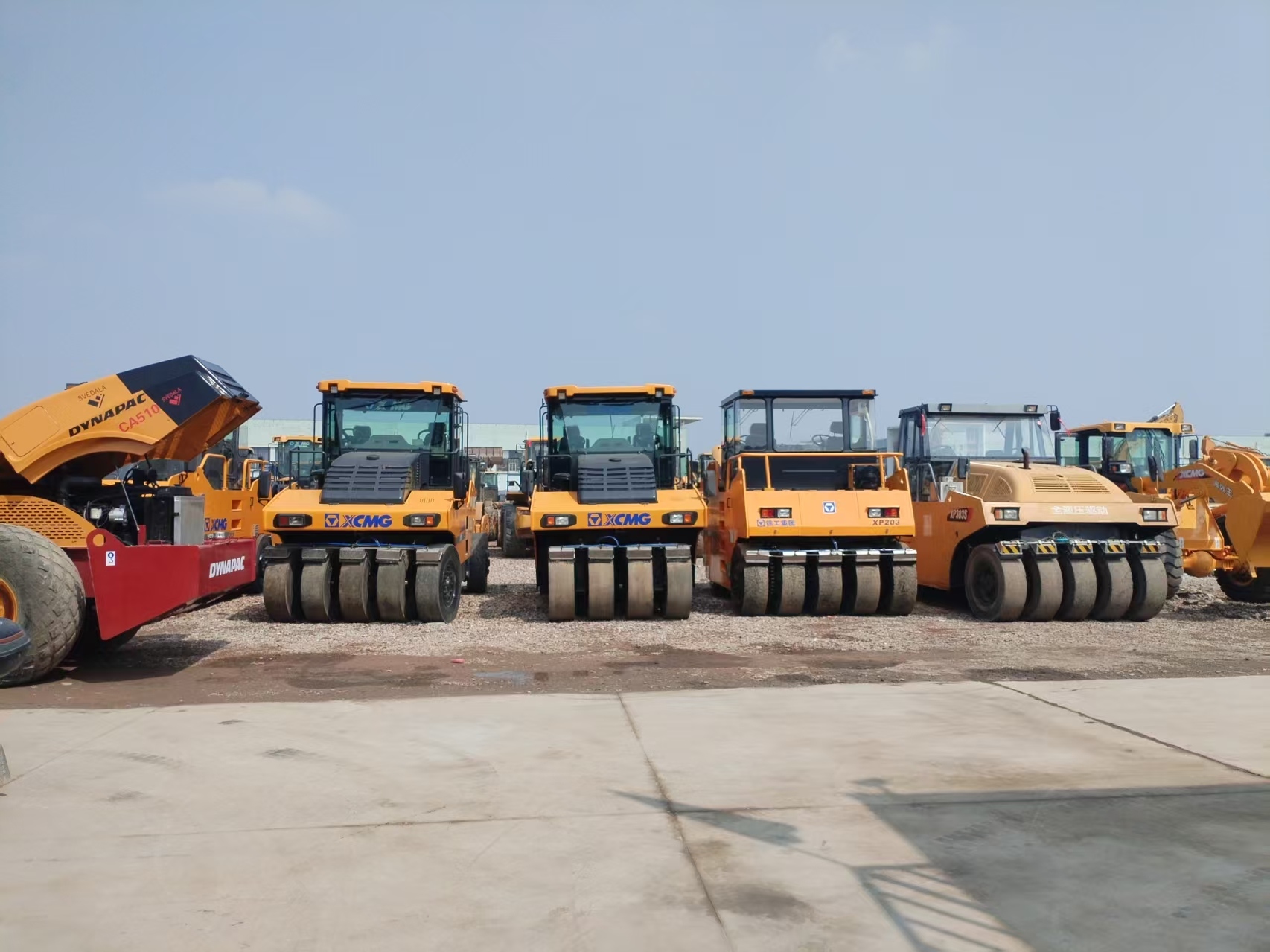
You might think you’re saving a bundle by purchasing a pre-owned item, but the price tag only tells part of the story. Once you hand over the cash, the real expenses often start creeping in. From immediate repairs that somehow weren't mentioned to the lack of warranty coverage leaving you to foot the bill alone, the bargain can quickly sour. Used items tend to require more frequent maintenance, parts that are harder to source, and sometimes higher insurance premiums due to their age or condition. These ongoing drains on your wallet can turn a seemingly smart purchase into a financial headache.
Then there are the less obvious costs—the time and effort you’ll sink into keeping the thing running. Maybe you’ll spend weekends at the repair shop, scouring online forums for troubleshooting tips, or hunting down obscure accessories that are no longer produced. Each hour you invest could have been spent on something more valuable, and that opportunity cost is rarely factored into the upfront savings. Beyond money, there’s the frustration of dealing with something that doesn’t quite work as expected, leaving you to wonder whether it was worth the hassle.
Even if the item seems perfect at first, you might discover hidden wear that shortens its lifespan. The previous owner’s usage habits can lead to accelerated deterioration—things like internal corrosion, software glitches from outdated systems, or structural fatigue that’s not visible during a quick glance. And unlike new products with clear return policies, buying used often means accepting the purchase “as is,” with no safety net. That lingering risk is the sting hidden in the tail of almost every second-hand deal.
Inspect Like a Pro: Key Components to Check Before You Commit
A quick glance won't cut it when you're sizing up a big decision. The real pros know that the difference between a smart move and a costly misstep often lies in the details most people skip. Instead of relying on surface-level impressions, train your eye to seek out the hidden friction points—the small inconsistencies, the wear patterns that tell a story, the subtle signs of neglect that can unravel everything later.
First, focus on structural integrity in a way that goes beyond the obvious. Check for alignment and balance: are components sitting true, or do you spot warping, uneven gaps, or repairs that were done in a hurry? Run your hands over surfaces where you'd expect smoothness; rough patches, irregular textures, or wobbly fixings often signal deeper issues. Listen, too—unusual sounds during basic operation can reveal problems a visual check might miss. The goal isn't just to find what's broken, but to understand how the pieces have been cared for and whether shortcuts were ever taken.
Finally, don't fall for a fresh coat of paint or a shiny surface. Dig into the maintenance history: look for dated service records, original manuals, or even handwritten notes tucked away. Ask open-ended questions about what's been replaced and when. Gauge how the current owner talks about the item—enthusiasm backed by specifics is reassuring, while vagueness or deflection is a flare gun. Trust your instincts, but back them up with a systematic check. That blend of gut feel and rigorous inspection is what sets apart the pros from the rest.
Getting the Best Deal Without Sacrificing Quality
Securing a favorable price while maintaining high standards often feels like a balancing act. The key lies in shifting your focus from the sticker price to the overall value. Start by researching what truly matters for your needs—whether it's durability, performance, or after-sales support—so you can avoid paying extra for unnecessary features. Look beyond flashy discounts and instead examine the product's track record and real-world reviews. When you buy based on long-term utility, the purchase naturally becomes more economical without cutting corners.
Timing can be your silent ally. Many industries have predictable cycles where prices dip due to seasonal shifts or inventory clearances, yet the product quality remains unchanged. Patience pays off when you can wait for these windows instead of rushing. Equally effective is exploring lesser-known but reputable alternatives that deliver comparable quality at a fraction of the cost. Building a relationship with sellers can also open doors to unadvertised offers or bundled services that enhance value without raising the price tag.
Don't underestimate the power of asking the right questions. Rather than simply haggling, engage in a conversation about how the purchase can meet your specific requirements. Sellers often have the flexibility to include extras or adjust terms when they see genuine interest and loyalty. Lastly, consider the total cost of ownership—a slightly higher upfront investment in something that lasts longer and requires less maintenance can be the smarter financial move. True value emerges when quality and cost align, not when one is sacrificed for the other.
Red Flags You Can't Afford to Ignore
Sometimes your gut screams louder than logic ever could. That sinking feeling when a deal seems too perfect, or a person mimics just the right words, isn't paranoia—it's pattern recognition. We've been conditioned to second-guess ourselves, to demand concrete evidence before acting. But in the real world, the smoke is often all you’ll get before the fire erupts. Ignoring early warnings isn't optimism; it’s willingly walking into a disaster you already sensed was brewing.
Look closer at the subtle shifts no one talks about—the sudden secrecy, the unexplained urgency, the way accountability evaporates when you start asking sharper questions. These aren't coincidences; they're tests. Every red flag overlooked is an invitation for worse behavior. When words and actions drift apart, pay attention to the distance between them. That gap is where truth hides, and where your safety quietly erodes if left unaddressed.
The most damaging red flags aren't the obvious ones—they're the ones wrapped in charm, vulnerability, or a shared enemy. Trust isn't built on smooth talk or grand promises; it's built on consistency when no one's watching. If you find yourself rationalizing away discomfort, you've already spotted the warning. The question is no longer whether you see it, but whether you'll act before it costs you something irreplaceable.
Maximizing Your Investment: Maintenance and After-Sale Service
Investing in quality equipment is just the first step. The real key to long-term value lies in how well you maintain it and the strength of the support network behind it. Regular maintenance keeps your machinery running at peak efficiency, slashing unexpected downtime that can throw operations into chaos. It’s less about patching up breakdowns and more about predicting and preventing them—extending the life of your assets while steadily lowering total costs. A disciplined upkeep routine transforms a capital purchase into a reliable, revenue-generating cornerstone of your business.
Choosing a partner with a thoughtful after-sale service model is equally vital. The best providers don’t just offer a helpline—they embed themselves in your workflow, ensuring spare parts reach you before you know you need them and that maintenance plans adapt as your usage evolves. When technical support feels like an extension of your own team, downtime shrinks and confidence grows. This turns service from an occasional expense into a strategic safeguard, ensuring your operations stay steady today and scale smoothly tomorrow.
Maximizing your investment is a deliberate practice, not a one-time event. It’s about weaving preventative care into your daily operations, maintaining detailed equipment logs that reveal hidden wear patterns, and treating your service provider as a long-term ally. When after-sale support is a core part of your purchase decision, you’re securing a future where reliability and efficiency compound over time. Your investment stops being just a machine and becomes a promise of sustained growth—one that pays dividends in every quarter.
FAQ
Start with the engine, hydraulics, and drum condition. Check for leaks, unusual wear, and service records. Operate the machine to feel for vibrations or steering issues.
It can significantly lower your upfront investment while still delivering reliable compaction. Many pre-owned rollers have plenty of life left if properly maintained.
Ask for service logs, oil analysis reports, and any rebuild records. A transparent seller will have detailed documentation available.
Brands like Caterpillar, Bomag, and Dynapac often have strong reputations for durability and parts availability, making them safer bets.
Dealers may offer warranties and inspected units, while private sellers can provide lower prices. Weigh the risk versus the savings.
Rushing the inspection, ignoring hidden rust, skipping a test drive, and not checking fluid samples are frequent mistakes that lead to expensive repairs.
Factor in purchase price, transportation, expected maintenance, fuel, and potential downtime. A cheap roller can become costly if it needs frequent repairs.
Use the inspection findings to justify your offer. Point out needed repairs, compare market prices, and be ready to walk away if the deal doesn’t align with your budget.
Conclusion
Stepping into a used road rollers factory can feel overwhelming, but focusing on what truly matters turns the process into a strategic investment. The hour meter tells only part of the story; digging into maintenance records, hydraulic system condition, and drum wear reveals the real health of the machine. Hidden costs like transportation, overdue servicing, or missing documentation often catch buyers off guard, so it pays to ask about a roller’s full history and verify paperwork before committing. A thorough inspection should cover engine performance, articulation joints, and vibration systems—preferably with a trusted mechanic who knows where factory shortcuts or field repairs tend to hide. By looking beyond surface shine, you avoid costly surprises down the road.
Securing a solid deal without cutting corners means balancing price with long-term value. Reputable factory sellers often provide warranties, refurbishment records, and flexible after-sale support that private sellers can’t match. Stay alert to red flags like fresh paint over rust, inconsistent welding, or sellers who avoid test runs—these almost always signal deeper issues. Once you buy, maximizing your investment comes down to a proactive maintenance plan and a clear understanding of parts availability. Treat the relationship with the factory as a partnership; their service team can help you schedule preventive upkeep and quickly resolve issues, keeping your roller on the job and your costs predictable. Armed with the right questions and a skeptical eye, you can confidently navigate the used market and drive away with equipment that works as hard as you do.
Contact Us
Contact Person: Sally Xiao
Email: [email protected]
Tel/WhatsApp: 086-18221477398
Website: http://www.shjiliangchi.com/