

Wastewater System Services Optimized for Modern Infrastructure and Sustainability
2026-08-11
Modern infrastructure demands wastewater systems that balance efficiency, resilience, and sustainability—yet many solutions still fall short. At Sinou, we rethink this balance with services designed for the realities of today’s urban and industrial landscapes. From smart monitoring to eco-conscious treatment, our approach cuts through complexity to deliver systems that work as hard as the communities they serve.
Smart Systems for Tomorrow’s Wastewater Challenges
Wastewater treatment is stepping into a new era, where real-time responsiveness replaces fixed schedules. Intelligent networks of sensors and actuators now watch over treatment processes, catching shifts in contaminant loads or flow rates as they happen. Instead of a rigid reaction chain, facilities tune their operations on the fly—adjusting aeration, chemical dosing, or settling times—turning what was once guesswork into a finely orchestrated dance. This dynamic grip over process variables doesn’t just keep effluent within limits; it cuts energy burns and chemical consumption by responding only when and where needed.
Beyond the plant fence, smart systems are rewriting how entire catchment areas handle water. Distributed units, coordinated through low-latency communication, can share burdens during storms or industrial upsets, preventing overflows without massive concrete expansions. Embedded learning modules spot early signs of equipment wear or biofilm shifts, triggering maintenance before failures occur. The result is infrastructure that feels less like a static asset and more like a partner with a quiet, observant presence—one that grows more precise as patterns repeat.
What truly sets tomorrow’s solutions apart is the mindset behind them. Rather than chasing treatment as an endpoint, operators now view wastewater streams as resources in transit. Smart systems untangle the complexity of mixed municipal and industrial inflows, targeting recoverable materials like phosphorus or cellulose at just the right moment. This approach reshapes the narrative: pollution becomes a passing phase, and the infrastructure becomes a broker of circular value, quietly aligning environmental integrity with economic sense.
Energy-Efficient Processes That Slash Operational Costs
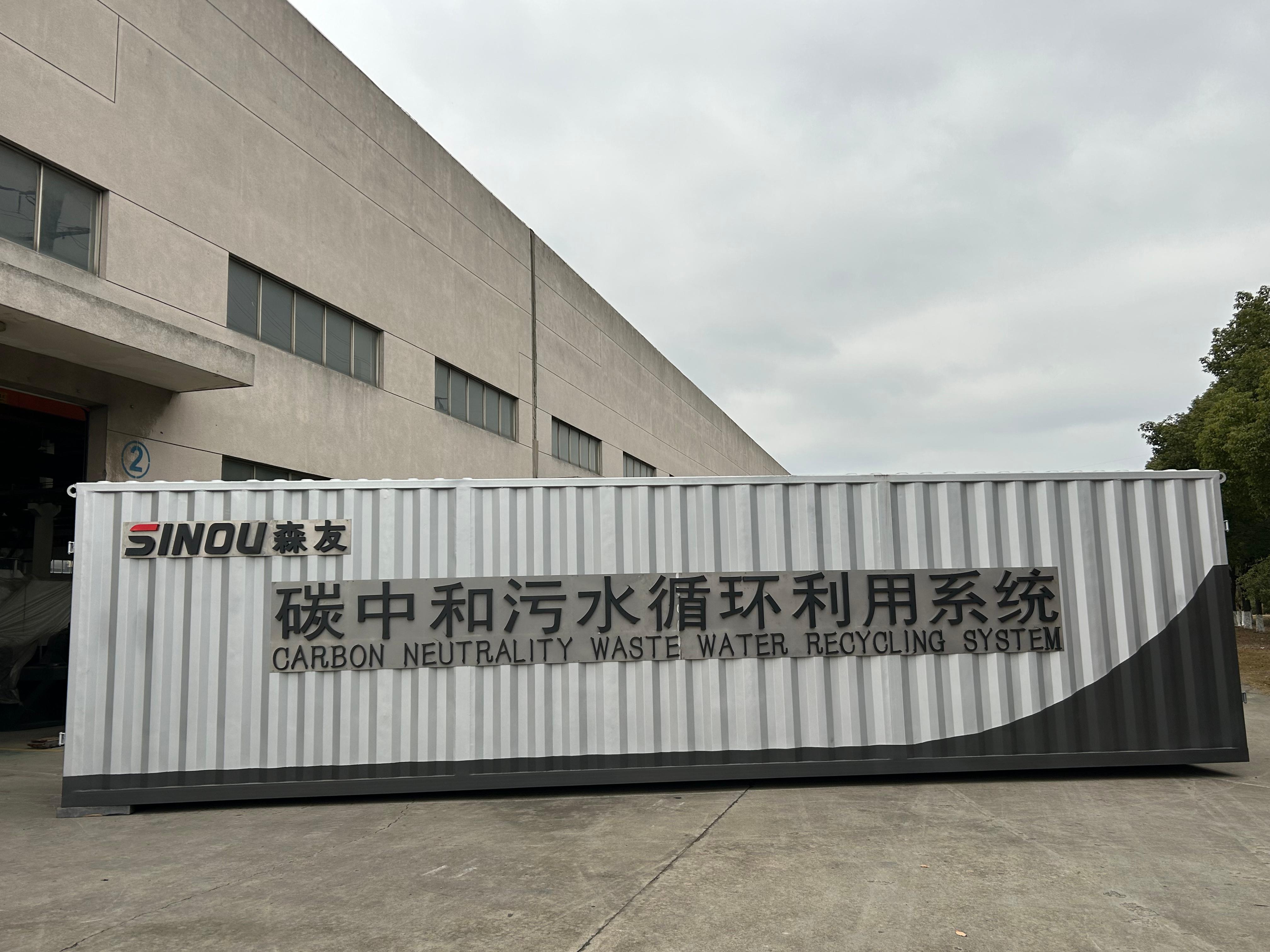
Rising energy prices and tightening environmental regulations are pushing companies to rethink how they use resources. A surprising amount of operational waste comes not from major equipment failures, but from everyday inefficiencies—lights left on, machines idling, compressed air leaks, or outdated HVAC schedules. By auditing these overlooked areas, many facilities have uncovered savings of 20–30% without large capital investments. Simple steps like installing occupancy sensors, adjusting thermostat deadbands, and fixing steam trap leaks can yield immediate reductions in utility bills while extending the lifespan of existing assets.
More substantial gains come from optimizing core production equipment. Motors, pumps, and fans often run at constant full speed regardless of actual demand, wasting enormous amounts of electricity. Retrofitting them with variable frequency drives allows output to match real-time needs, typically cutting energy consumption by 15–50% depending on the application. Pairing these upgrades with smart controls that stagger start-up sequences or shift non-critical loads to off-peak hours further reduces peak demand charges—often the most expensive part of a commercial electricity bill.
The financial impact goes beyond lower utility costs. Efficient processes reduce heat output, meaning less strain on cooling systems and a more comfortable working environment. Predictive maintenance driven by energy data helps avoid unplanned downtime and costly emergency repairs. Over time, these changes build resilience against price volatility and demonstrate a commitment to lean, responsible operations. It's not about one-time fixes but a framework of continuous improvement where small adjustments accumulate into significant bottom-line advantages.
From Waste to Resource: Unlocking Circular Potential
Shifting the perspective on waste is the first step toward a regenerative economy. Instead of viewing discarded materials as an endpoint, we can recognize them as the starting point for new value creation. This mindset transforms supply chains, product design, and consumption patterns, opening avenues for reuse, refurbishment, and material recovery that were previously overlooked.
Turning waste into a resource involves more than just recycling; it requires rethinking how goods are made and used. Designing for disassembly, adopting modular components, and choosing non-toxic, renewable inputs make it possible to recover materials at their highest utility. Biological materials can safely return to the biosphere, while technical components are circulated within closed-loop systems, reducing the demand for virgin extraction.
Realizing the circular potential embedded in waste streams calls for collaboration across industries and communities. Businesses are exploring product-as-a-service models, where ownership stays with the manufacturer, incentivizing durability and end-of-life recovery. At the local level, repair cafes, material banks, and digital platforms are connecting surplus with need, proving that what was once considered waste can fuel innovation, create jobs, and build resilience.
Resilient Infrastructure Designed for Climate Uncertainty
Building infrastructure that can withstand an unpredictable climate goes beyond just strengthening walls or raising foundations. It starts with acknowledging that historical weather patterns are no longer reliable guides. Instead, planners now turn to forward-looking climate models that stress-test designs against a spectrum of possible futures—floods more severe than any in living memory, heatwaves that buckle steel, or storms that arrive in unfamiliar seasons. This approach moves resilience from a code-compliance checkbox to a continuous adaptation strategy, blending local environmental insights with sophisticated data. The result is infrastructure that bends but doesn’t break, maintaining function when conditions stray far from any average.
Materials and methods are shifting to match this new mindset. Permeable pavements absorb cloudbursts instead of sending them into overwhelmed drains, while modular components allow for quick repairs and upgrades without starting from scratch. Green corridors double as flood pathways, and buried power lines avoid falling trees. Increasingly, designs incorporate nature-based solutions—restored wetlands that buffer storm surges, or shaded structures that reduce the urban heat island effect—not as afterthoughts but as core elements. These choices reflect a deeper recognition that resilience is not a static property but an ongoing relationship with a dynamic environment.
Collaboration fuels this shift. Engineers consult ecologists, community groups weigh in on vulnerabilities, and financiers factor long-term adaptability into asset valuation. A bridge rebuilt after a flood isn’t just replaced; it’s reimagined with wider spans, smarter sensors, and alternate access routes informed by grassroots knowledge. This weaving of perspectives ensures that resilience serves people as much as it protects concrete and steel. In the end, infrastructure designed for uncertainty becomes more than a hedge against disaster—it becomes a framework for thriving amid volatility, proving that the safest bet is to plan for the unexpected.
Data-Driven Insights for Proactive System Management
Modern infrastructure generates a constant stream of telemetry—from CPU cycles and memory pressure to application-level latency and error rates. Turning that raw data into actionable foresight means moving beyond dashboards that simply react to thresholds. Teams that thrive don't just monitor; they mine patterns. They build lightweight models that spot deviations before they cascade, correlating a spike in database timeouts with an upstream caching layer misconfiguration, not because an alert fired, but because the system learned what “normal” looks like. This isn't about big data hype; it's about treating ops data as a strategic asset that quietly informs capacity planning, security posture, and even feature rollout decisions.
Proactive management hinges on making the invisible visible. Instead of waiting for a PagerDuty storm, mature teams instrument their systems to surface leading indicators—think connection pool saturation, garbage collection pauses, or an uptick in 5xx responses from a dependency. These gentle signals, when stitched together with historical baselines, paint a story that lets engineers ask “what if” before the on-call phone buzzes. A well-tuned setup can predict a storage volume exhaust weeks in advance, or flag a subtle memory leak creeping through canary deployments. The secret sauce is feedback loops: every incident feeds back into the models, tightening the tolerance bands and reducing noise, so alerts become trustworthy companions rather than fatigue factories.
Getting started doesn't demand a PhD in data science. Simple statistical techniques—rolling percentiles, exponential smoothing, or even a moving average with smart thresholds—can catch anomalies that traditional checks miss. The key is embedding this thinking into the team's rhythm: daily stand-ups that glance at trend lines, not just ticket counts; retrospectives that dissect the signals that preceded an outage. Over time, you cultivate a culture where data isn't an afterthought but the lens through which every infrastructure decision is evaluated. The result? Fewer firefights, more informed architecture choices, and a system that practically manages itself while the team focuses on building value.
Community-Centric Solutions Ensuring Long-Term Viability
Building lasting solutions starts with the people they serve. By weaving local voices into every stage—from planning to implementation—we turn passive recipients into active partners. This isn’t about one-off consultations but ongoing collaboration that respects lived experience. When residents shape decisions, they also safeguard them, creating a built-in accountability that outlasts external funding cycles.
Ownership is the quiet engine behind sustainability. Instead of handing over a finished product, we invest in skills transfer and leadership development so communities can steward progress long after we step back. Tools, training, and trust are shared openly, ensuring that fixes aren’t just adopted but adapted as needs evolve. That kind of root-level resilience can’t be parachuted in—it’s grown from within.
Viability also hinges on weaving solutions into the cultural and economic fabric of daily life. Whether it’s aligning with seasonal rhythms or tapping into existing social networks, the goal is to make new practices feel less like disruptions and more like natural extensions. This reduces dependency on outside momentum, turning short-term projects into self-perpetuating movements that locals champion on their own terms.
FAQ
We integrate advanced biological treatment processes and resource recovery techniques that significantly reduce pollutant discharge while enabling water reuse. Our approach focuses on closing the loop, turning waste into valuable resources like reclaimed water and biogas.
We start with a comprehensive condition assessment and hydraulic modeling to identify critical bottlenecks. Upgrades often involve retrofitting with smart sensors, installing energy-efficient pumps, and adding modular treatment units that can adapt to population growth without major civil works.
Yes, we design tailored pre-treatment and advanced oxidation solutions for complex industrial effluents. From heavy metal removal to breaking down recalcitrant organics, our systems ensure compliance even under variable loading conditions, protecting downstream municipal plants.
By leveraging real-time monitoring and predictive controls, we minimize chemical and energy use. Automated process adjustments respond to changing inflow conditions, cutting manual labor and extending asset life. Many clients see a 20-30% drop in annual OPEX within three years.
Sustainability is embedded in everything we do—from using locally sourced construction materials to designing for easy decommissioning. We also prioritize nature-based solutions like constructed wetlands where feasible, supporting biodiversity while polishing effluent.
We incorporate flood resilience measures, capacity buffers for extreme weather events, and adaptive process designs that can switch operational modes. Our scenario planning includes projected rainfall intensity changes, ensuring continued performance even under future climate uncertainty.
Absolutely. Our control systems are vendor-agnostic and use open communication protocols. We ensure secure, bidirectional data flow, enabling operators to manage the entire water cycle from a unified dashboard without ripping out current instrumentation.
We offer hands-on commissioning support, detailed operational manuals, and ongoing remote troubleshooting. Customizable training modules cover troubleshooting, efficiency optimization, and safety protocols, empowering local teams to run the plant confidently from day one.
Conclusion
Modern wastewater system services are being reinvented to meet the demands of both advanced infrastructure and environmental stewardship. By integrating smart technologies, utilities can anticipate and adapt to evolving challenges, from aging networks to unpredictable storm events. Real-time sensors, predictive analytics, and automated controls shift operations from reactive to proactive, catching issues before they escalate. This intelligent layer optimizes everything from pump schedules to chemical dosing, boosting reliability while drastically cutting energy use. The result is a leaner, more responsive system that aligns operational efficiency with sustainability goals, turning a traditionally energy-intensive sector into a model of resource-conscious management.
Beyond treatment, a paradigm shift is underway that views wastewater not as waste, but as a valuable resource. Cutting-edge facilities now recover nutrients, generate biogas, and produce high-quality reclaimed water, closing the loop on resource flows. This circular approach not only reduces environmental burden but creates new revenue streams and buffers against climate uncertainty. Resilient designs incorporate green infrastructure and decentralized elements, making systems more adaptable to extreme weather. Underpinning it all is a commitment to community—transparent engagement, equitable service, and long-term planning ensure these innovations serve people as much as the environment. The future of wastewater services is intelligent, regenerative, and inclusive, delivering lasting value far beyond the pipes.
Contact Us
Contact Person: HaiYan
Email: [email protected]
Tel/WhatsApp: +86 18957325588
Website: https://www.senyoubeton.com/