

Window Coverings Company: Which Blinds, Shades, or Shutters Suit Your Home Best?
2026-09-07
You’ve measured the windows, scrolled through dozens of options, and still feel stuck: blinds, shades, or shutters? That’s where ROLLERGY steps in. We’ve spent years helping homeowners cut through the clutter and match each room’s light, privacy, and style needs with a covering that actually works. Let’s walk through what each type offers so you can choose with confidence — not guesswork.
Start with the Room’s Hardest Working Hours
Every room has a moment when it’s pushed to its limit—mornings in the kitchen with coffee brewing, lunches being packed, and kids asking where their shoes are. That’s the room’s hardest working hour, and it’s the exact point where a space either holds up or falls apart. Starting here means you design for reality, not for how the room looks when it’s empty and tidy.
Watch the room during those peak stretches. Note where people bump into each other, which drawers get yanked open repeatedly, what ends up piled on the nearest flat surface. Those friction points tell you what the layout is missing. Maybe it’s a landing zone for keys and mail, or extra counter space next to the stove. Fixing the busiest hour first saves you from reworking the room later.
This approach applies beyond kitchens. A home office has its crunch time when video calls stack up, a laundry room peaks on weekends, an entryway works hardest when everyone arrives home at once. By letting the toughest hour set the priorities, the rest of the design tends to fall into place naturally—because you’ve already solved for the moments that matter most.
Blinds versus Shades versus Shutters in Daily Use
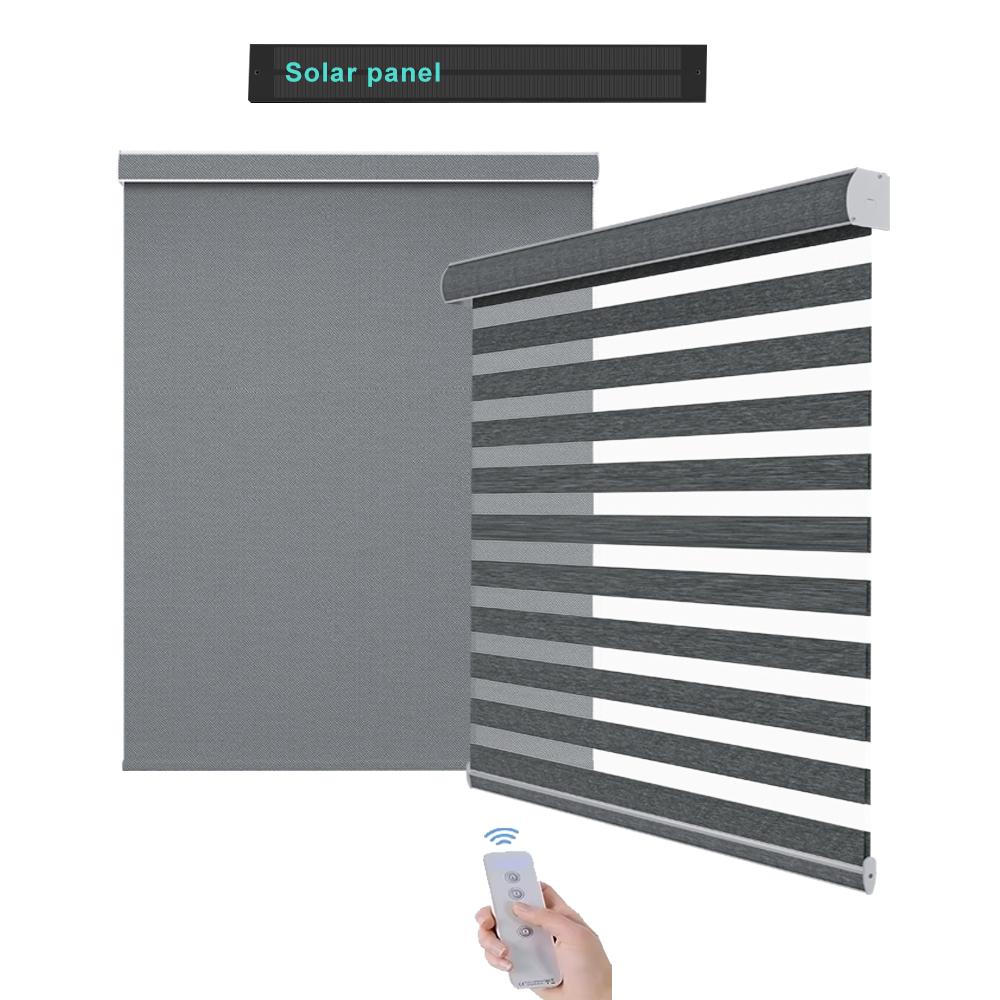
Blinds tend to win on precision light control in day-to-day use—you can tilt the slats to direct glare away from a TV screen or bounce morning light toward the ceiling. But that same slat design turns into a dust magnet, and wiping each one down is a chore most people put off for months. In a busy kitchen or bathroom, the cords and wands also get grimy quickly.
Shades feel smoother to operate: a gentle tug or cordless lift brings the fabric up or down in one motion, which is handy when your hands are full. The trade-off is that you lose the in-between settings. Most shades are either open, closed, or partly raised, so you can't redirect sunlight the way you can with blinds. Lighter fabrics also show fingerprints if you handle them often, especially near the bottom hem.
Shutters are the low-maintenance workhorses here. Once installed, they don't need cords, springs, or frequent adjustment—just swing the panels open or shut and tilt the louvers. A damp cloth takes care of most dust in under a minute, and there are no fabric folds or tiny mechanisms to trap pet hair. The downside is that fully opened shutters still take up wall space on either side of the window, which can feel bulky in smaller rooms like a home office or breakfast nook.
Why Window Shape and Placement Change Everything
Light is rarely neutral. A tall, narrow window slices the day into a vertical blade, pulling the eye upward and making a low ceiling feel unexpectedly taller. Swap that for a wide horizontal strip and the same room loosens, spreads, and invites the landscape to become the main wall. The shape of an opening dictates not just how much sun enters, but how the space itself is read — as calm, as grand, as intimate, or as exposed.
Placement is where things get personal. A window set high near the ceiling bathes a room in reflected light without stealing privacy, perfect for a bathroom or a quiet hallway. Placed low, level with the sofa, it frames the street like a living postcard and makes passersby part of the decor. Even moving a window a foot to the left can change where you choose to put the desk, the bed, the reading chair — because human habits follow the brightest and most comfortable spot in the room.
When shape and placement work together, they do more than brighten a corner. They choreograph the day: morning light splashes across the kitchen table in one pattern, late afternoon angles in from another, and by evening the same window becomes a dark mirror reflecting your own warm lamps. That quiet rhythm is what makes a house feel less like a box and more like a companion to the sun.
Materials That Handle Humidity, Sun, and Busy Hands
When a surface has to survive wet mornings, full afternoon sun, and constant touching, the material choice stops being about looks and starts being about stubbornness. High-density polyethylene lumber, for example, shrugs off moisture without swelling or rotting, and its color is mixed through the entire board so UV exposure fades it evenly rather than causing patchy bleaching. Powder-coated aluminum frames sit in the same camp: the coating seals out humidity and resists scratching from rings, keys, and fingernails far better than paint alone.
For soft materials, solution-dyed acrylic fabrics do the heavy lifting. Unlike printed or piece-dyed textiles, the pigment is locked inside the fiber before it's woven, which means rain won't wash it out and sunlight won't turn it brittle or pale. A quick wipe with soapy water removes sunscreen smears and food stains, and the fabric dries fast enough that mildew never gets a foothold. Marine-grade stainless steel hardware completes the picture, holding up to sweaty palms and coastal salt air without developing rust streaks.
Busy hands demand surfaces that feel solid but stay easy to clean. Thermally modified wood—such as ash or pine baked at high heat—loses the sugars that attract mold and insects, so it stays smooth and splinter-free even after thousands of touches. Pair it with hidden fasteners or rounded edges, and you get a finish that doesn't chip, peel, or leave scratches that collect grime. The goal isn't just durability; it's making the material feel good on the skin after a long, hot day.
Privacy Without Turning Your Home into a Cave
You don't have to choose between sunlight and seclusion. Sheer curtains remain the quiet workhorse for rooms that need a soft shield from passing eyes. During the day they blur the outline of your interior just enough, while still letting the room breathe and the light shift across the floor. When evening comes, a secondary layer like woven wood shades or linen drapes can be pulled for full privacy without making the space feel heavy.
Glass treatments offer another route. A light frosted film applied to the lower sash of a window keeps the upper portion open to the sky, so you get both a clear view and a gentle screen at eye level. This works especially well in bathrooms or ground-floor bedrooms where you want discretion but not the gloom of permanently covered windows.
Even furniture can help. A tall, narrow bookcase or a cluster of indoor plants placed a few feet from the glass breaks sightlines from the street without blocking daylight. The room stays bright and lived-in, not closed off. That's the whole point: privacy should feel like a layer you can adjust, not a wall you have to build.
The Real Case for Shutters in Busy Households
In a house where backpacks hit walls, dogs shake off rain, and toddlers test every surface, window coverings rarely get gentle treatment. Shutters, unlike fabric curtains or flimsy blinds, handle this daily abuse without looking tired. Their solid frames don't snag, rip, or collect dust in the same way, and a quick wipe brings them back to clean. That alone changes how a busy family lives with its windows.
Another overlooked point is how shutters simplify the daily routine. No cords to untangle, no slats to realign after a child peeks out. You can open a panel with one hand while holding a baby or a laundry basket. The light control stays consistent because louvers lock into position, so you aren't constantly adjusting half-bent blinds. For households where every minute counts, that small reduction in fiddling adds up fast.
Finally, shutters earn their keep during the messiest seasons. Muddy paw prints, spilled juice, sticky fingerprints—these are common on lower window areas. With painted wood or composite shutters, most of that wipes off with a damp cloth and mild soap, without leaving water stains or warping. Curtains would need washing; cheap blinds often break at the first tug. In a busy home, durability isn't a luxury; it's the only finish that survives.
FAQ
Blinds give you that tilt control—great for directing light without fully exposing the room, but dust loves those slats. Shades are quieter and softer, and there's basically nothing to clean, but you trade away some adjustability. Shutters feel like part of the architecture; they're sturdy and can actually make a room feel more finished, though you'll pay for that permanence.
South-facing windows are nice for light but brutal in summer. I'd lean toward cellular shades with a light-filtering fabric—they cut the heat without making the room feel like a cave. If you prefer a harder look, wide-slat faux-wood blinds let you angle the light up toward the ceiling so it bounces around instead of hitting the sofa directly.
If you're staying put for five or more years, probably yes. They're custom-fit, they insulate better because they seal against the frame, and buyers often notice them during a walkthrough. But if you're renting or you like to change your decor every few years, the higher upfront cost rarely pays off.
Stay away from real wood and most fabrics—they'll warp or mildew faster than you'd expect. Faux-wood blinds or vinyl shutters are the workhorses here. They look close enough to the real thing but won't swell when your teenager takes a 30-minute shower. I've also seen composite shutters hold up well if you want a more polished look.
Cordless blackout shades, ideally with a top-down/bottom-up feature. You can drop the top to let daylight in while keeping the crib area dim and private, which helps during those 2 a.m. feedings. Skip anything with cords or chains—no matter how tidy you keep them, they're a hazard around little hands.
It can work, but you need a thread that ties them together. Maybe keep the same fabric tone or finish on the hardware, or limit yourself to two styles max within one sightline. I've seen rooms with roller shades on side windows and Roman shades on a big front window look intentional just because the fabrics shared the same warm gray undertone. Push it to three styles and it starts to feel chaotic.
Get a steel tape measure, not a fabric one—fabric stretches and gives you sloppy numbers. For an inside mount, measure width and height at three spots and use the smallest number. For an outside mount, add at least two inches beyond the opening on all sides so you don't get light leaks. Write everything down to the eighth of an inch; rounding up will come back to bite you.
Conclusion
Finding the right window covering starts with watching when each room works hardest. A breakfast nook that catches morning glare needs a different solution than a family room used after sunset. Blinds remain the workhorse for quick light control and a tidy profile, but shades bring softer acoustics and better insulation, while shutters feel architectural and permanent—worth it only if the room's daily rhythm supports that investment. Odd window shapes like arches or angled bays often rule out standard blinds, pushing you toward custom shutters or flexible cellular shades. South- and west-facing openings need fade-resistant liners or UV-blocking fabrics, while north-facing rooms can get away with lighter weaves.
Materials matter more than most people expect. Bathrooms, laundry rooms, and kitchens with steam and splashes call for faux wood, vinyl, or coated aluminum that won't warp, while sun-drenched living spaces need performance fabrics that resist fading. If kids or pets are part of the equation, cordless designs and wipeable surfaces save both sanity and safety. Privacy doesn't have to mean closing everything off—top-down bottom-up shades or cafe shutters let daylight in while keeping sightlines out. In active households, shutters earn their keep: they shrug off bumps, contain no dangling cords, and clean with a quick wipe. Ultimately, the best choice isn't a universal winner but the one that aligns with how you actually move through your rooms.
Contact Us
Contact Person: Vivien Cheng
Email: [email protected]
Tel/WhatsApp: +86 13751758835
Website: https://www.rollergytech.com/